
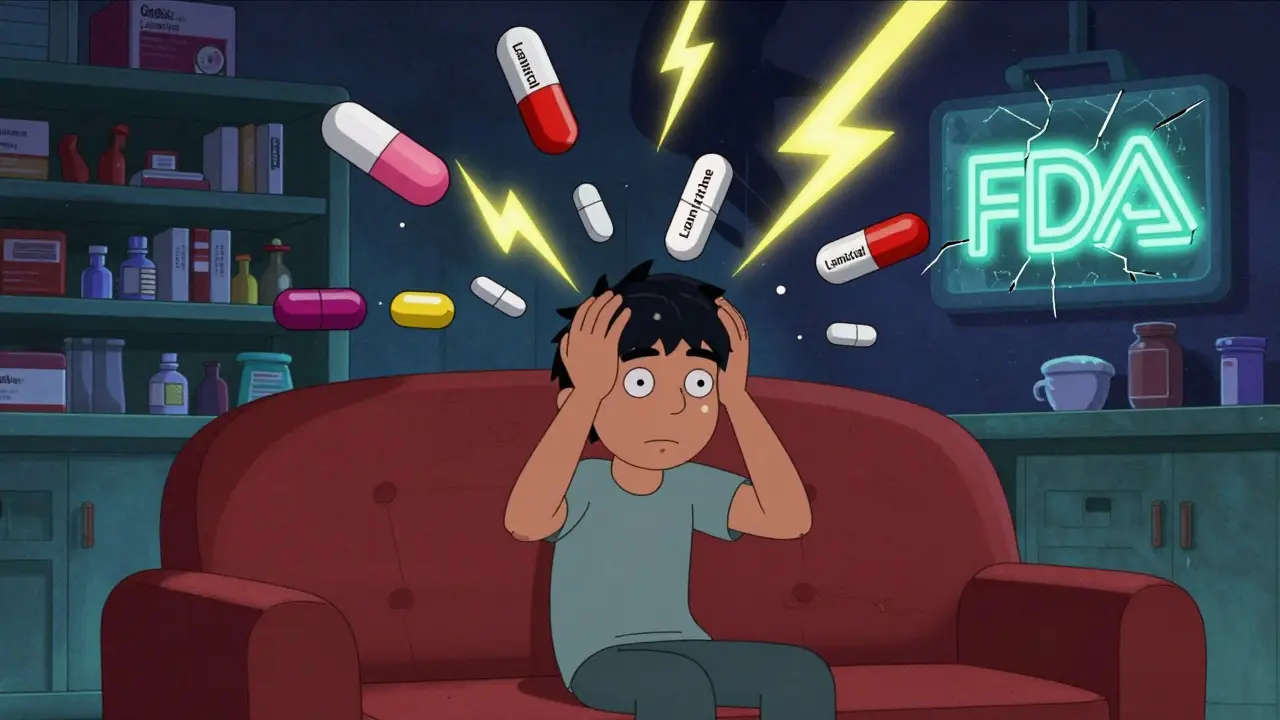
When you’re managing epilepsy, consistency isn’t just helpful-it’s life-saving. For many people, even a small change in their antiseizure medication can mean the difference between staying seizure-free and facing a breakthrough seizure. This is why the shift from brand-name drugs to generic versions-something that saves money and is common in most areas of medicine-has become a serious concern in epilepsy care.
Why Generic Substitution Is Risky for Antiseizure Medications
Most generic drugs are just as safe and effective as their brand-name counterparts. But antiseizure medications (ASMs) are different. Many of them have a narrow therapeutic index (NTI), meaning the amount of drug in your bloodstream needs to stay within a very tight range. Too little, and seizures return. Too much, and you risk serious side effects like dizziness, confusion, or even toxicity. The FDA requires generics to prove they’re bioequivalent to the brand-name version. That means the generic must deliver between 80% and 125% of the active ingredient’s concentration in your blood compared to the original. Sounds strict? It is. But for ASMs like lamotrigine, carbamazepine, and valproic acid, even a 15% drop in blood levels can trigger seizures. That’s within the FDA’s legal range. For someone who’s been stable for years, that tiny shift can be enough to break their control. Studies back this up. One 2008 study in Neurology found that switching to generic lamotrigine led to a 23% increase in doctor visits and an 18% rise in hospitalizations. A 2022 global survey of over 1,200 healthcare workers found that 40% of patients reported more seizures after switching to generics. And it’s not just numbers-real people are sharing their stories. One patient on the Epilepsy Foundation’s forum said she went from being seizure-free for five years to having three breakthrough seizures in two weeks after her pharmacy switched her from Lamictal to a generic version.What Makes Some ASMs More Dangerous to Switch?
Not all antiseizure drugs carry the same risk. The World Health Organization lists carbamazepine, phenobarbital, and valproic acid as essential medicines, but they’re also among the most problematic when it comes to generic substitution. These drugs are metabolized in complex ways, and their absorption can change based on the fillers, coatings, or release mechanisms used by different manufacturers. Extended-release formulations are especially tricky. A brand-name version might release the drug slowly over 12 hours. A generic version might release it faster in the first hour and then drop off. Even if the total amount absorbed is the same, the peak concentration can spike or dip in ways that affect seizure control. That’s why some neurologists refuse to switch patients on extended-release versions-even if the FDA says they’re bioequivalent. Lamotrigine is another big concern. It’s widely used, but its metabolism is affected by other medications. If a patient is also taking valproate or oral contraceptives, even small changes in lamotrigine levels can cause problems. One study showed that generic lamotrigine had higher variability in patients on multiple ASMs-exactly the group that needs stability the most.What Do Experts Say?
There’s no consensus. The American Epilepsy Society (AES) and the FDA agree that the current bioequivalence standards are scientifically sound. But they also agree that caution is needed for high-risk patients. Dr. Jacqueline French, a leading neurologist and chief medical officer of the Epilepsy Foundation, says the standards are appropriate-but adds that "heightened caution is needed for medically complex patients." On the other side, Dr. Philip P. Glass from Montefiore Medical Center says, "The evidence is clear that for narrow therapeutic index drugs like many ASMs, even small variations matter." His center has a policy: once a patient is stabilized on a specific formulation, they stay on it. No switches. No substitutions. The UK’s MHRA takes a clear stance: "Consistency of supply is important where the consequence of therapeutic failure or toxicity might have serious clinical consequences." That’s not a vague warning-it’s a directive. And it’s not just doctors. Patients are speaking up. A 2021 survey by the International League Against Epilepsy found that 68% of patients were anxious about being switched to generics. Nearly half said they’d pay more out of pocket to avoid the risk. One Reddit user described how changing pill colors and shapes made him second-guess his medication every day-until his anxiety triggered his first seizure in two years.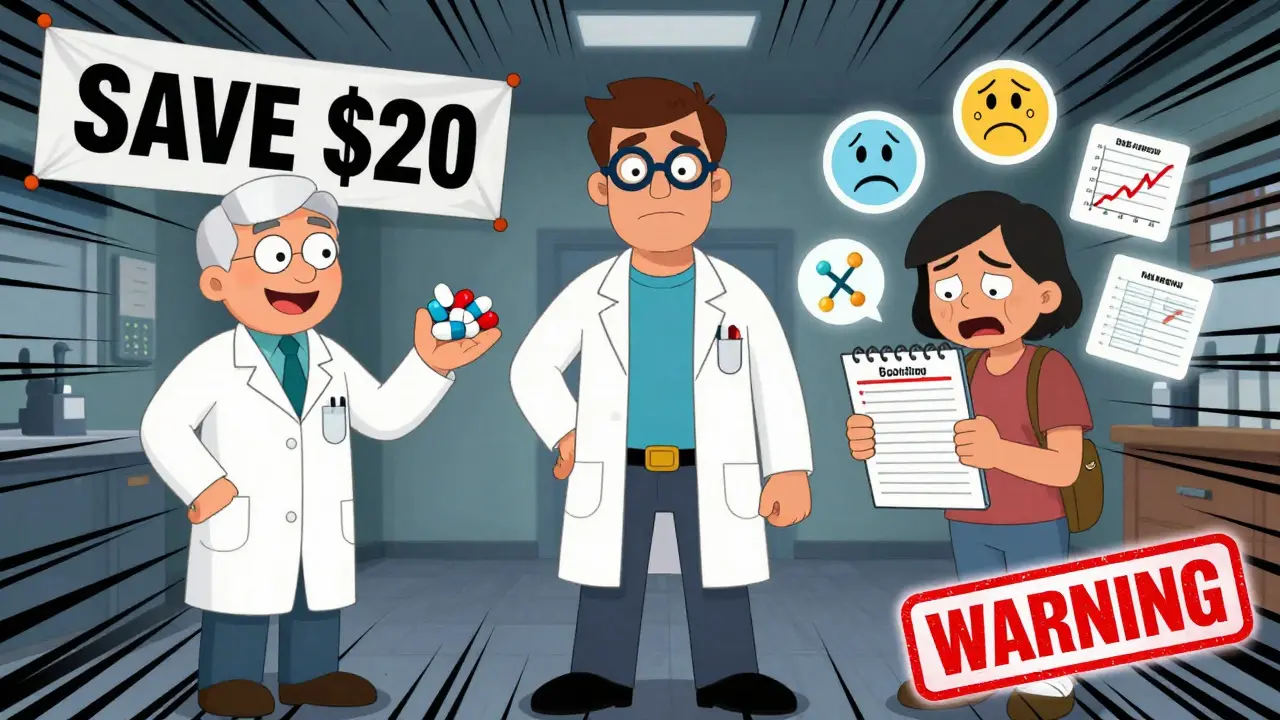
Real-World Consequences: More Than Just Seizures
The risks go beyond seizures. Switching formulations can lead to:- Increased anxiety-especially in patients who already struggle with seizure triggers like stress or sleep loss
- Reduced adherence-if pills look different, people forget to take them, or think they’re taking the wrong dose
- Confusion in caregivers-for children or elderly patients, changing pill shape or color can lead to missed doses or accidental overdoses
- Excipient issues-some generics use fillers that contain sugars or starches, which can disrupt ketogenic diets used to treat epilepsy
Best Practices: How to Stay Safe
If you’re on antiseizure medication, here’s what you need to know:- Ask your neurologist-not your pharmacist or insurance company. They’re the only ones who understand your seizure type, medication history, and risk factors.
- Get it in writing-if your doctor recommends staying on a specific brand or generic, ask them to write a letter to your pharmacy or insurer. Many insurers will honor it.
- Check the pill-if the color, shape, or imprint changes, ask your pharmacist why. Don’t assume it’s the same drug.
- Track your symptoms-keep a simple log: date, seizure frequency, side effects, mood changes. Bring it to every appointment.
- Know your rights-in some states, pharmacists must notify you before switching. In others, they don’t. Ask your local pharmacy about their policy.
What’s Changing in 2026?
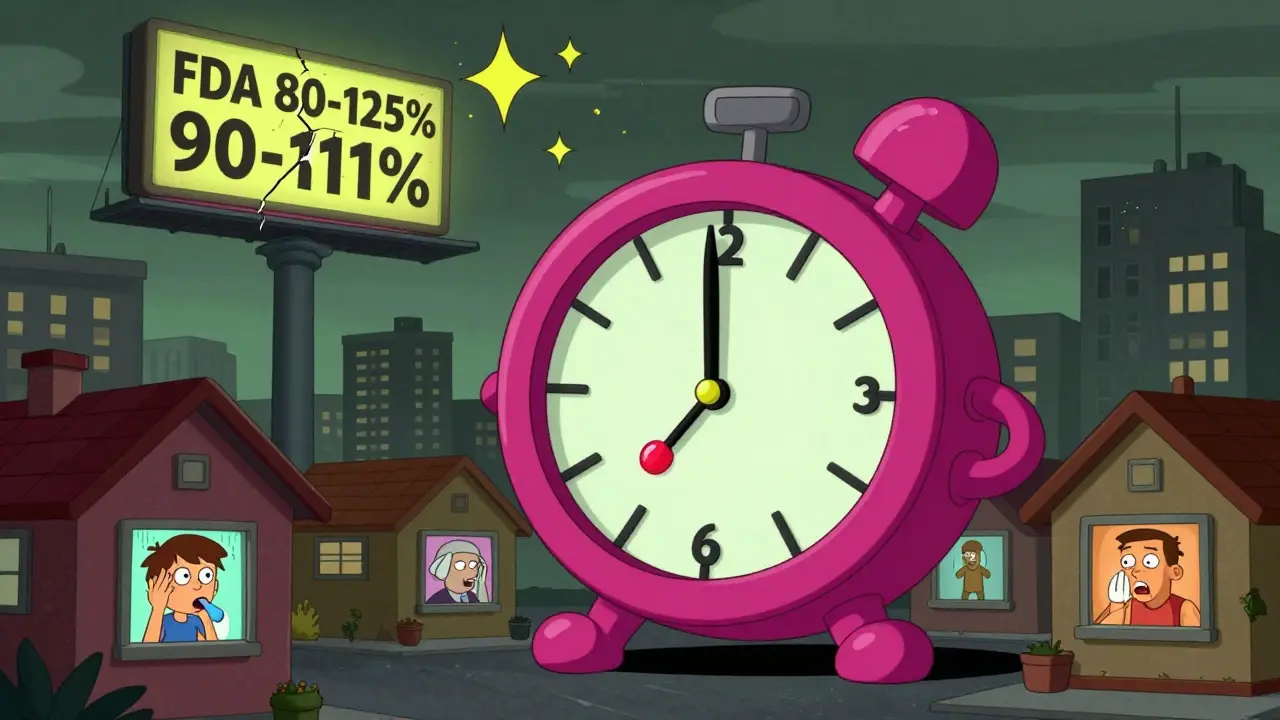
The FDA is considering tightening the bioequivalence standards for NTI drugs like ASMs-from 80-125% to 90-111%. That’s a big deal. If adopted, it would mean generics must be much closer to the brand in how they work. But the pharmaceutical industry is pushing back, saying it would reduce competition and raise prices. Meanwhile, a major multi-center study (NCT04987654) is underway, tracking seizure outcomes in patients who switch versus those who don’t. Results are expected in late 2026. Until then, the safest approach is to avoid unnecessary switches.Bottom Line: Don’t Risk It Unless You Have to
Generic substitution saves money. That’s important. But for antiseizure medications, the cost of a single seizure can be far higher than the savings. If you’re stable, stay on what works. If you’re forced to switch, monitor yourself closely. Talk to your neurologist. Document everything. And never let a pharmacy change your medication without your knowledge.The goal isn’t to eliminate generics-it’s to make sure they’re used wisely. For epilepsy, consistency isn’t a luxury. It’s part of your treatment plan.
phyllis bourassa
March 6, 2026 AT 18:33Adebayo Muhammad
March 8, 2026 AT 12:49William Minks
March 9, 2026 AT 16:38Jeff Mirisola
March 10, 2026 AT 11:44Susan Purney Mark
March 10, 2026 AT 23:31Ian Kiplagat
March 12, 2026 AT 19:32Amina Aminkhuslen
March 14, 2026 AT 01:43amber carrillo
March 14, 2026 AT 05:23Tim Hnatko
March 15, 2026 AT 11:50