
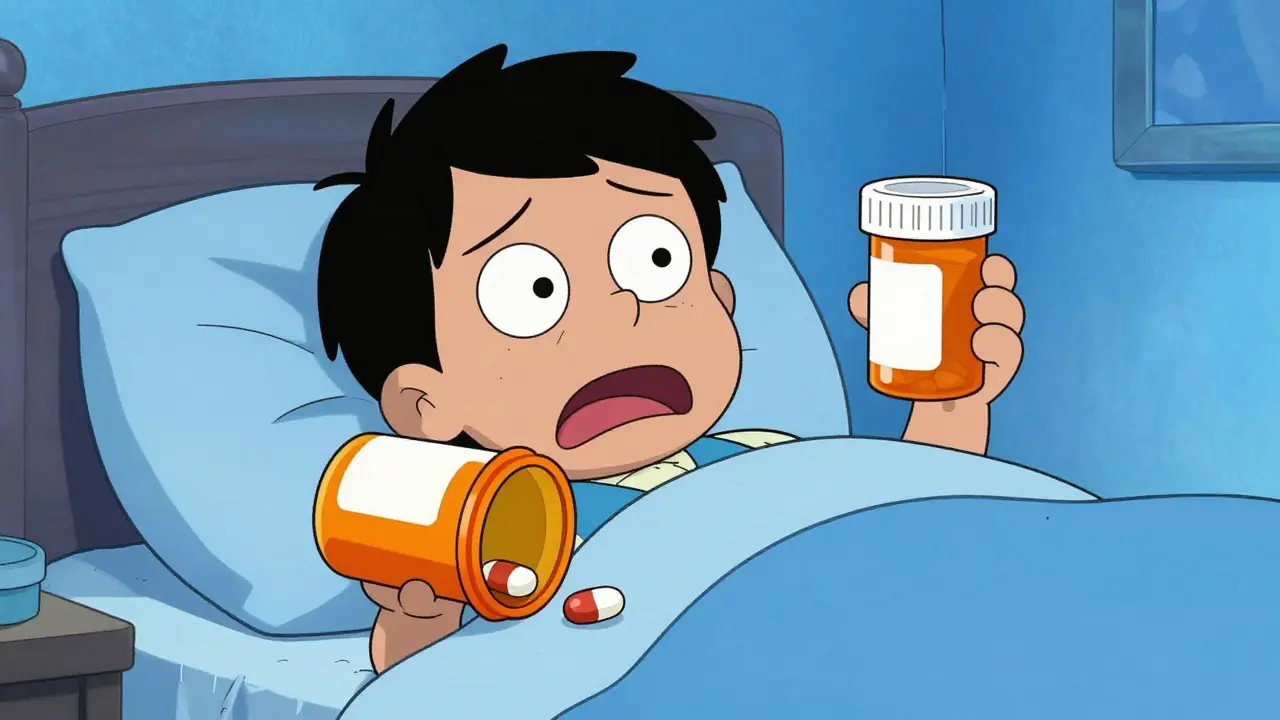
Quick Wins: Key Takeaways
- Automatic refills can boost adherence for statins by 7.2% and diabetes meds by 6.8%.
- Most systems trigger a refill 5 to 7 days before your current supply ends.
- Generic meds are ideal for this as they are stable, affordable, and usually prescribed long-term.
- Integration with mobile apps and SMS makes tracking your health much simpler.
- Always double-check your dosage with a pharmacist if your doctor changes your script mid-cycle.
How Automated Refills Actually Work
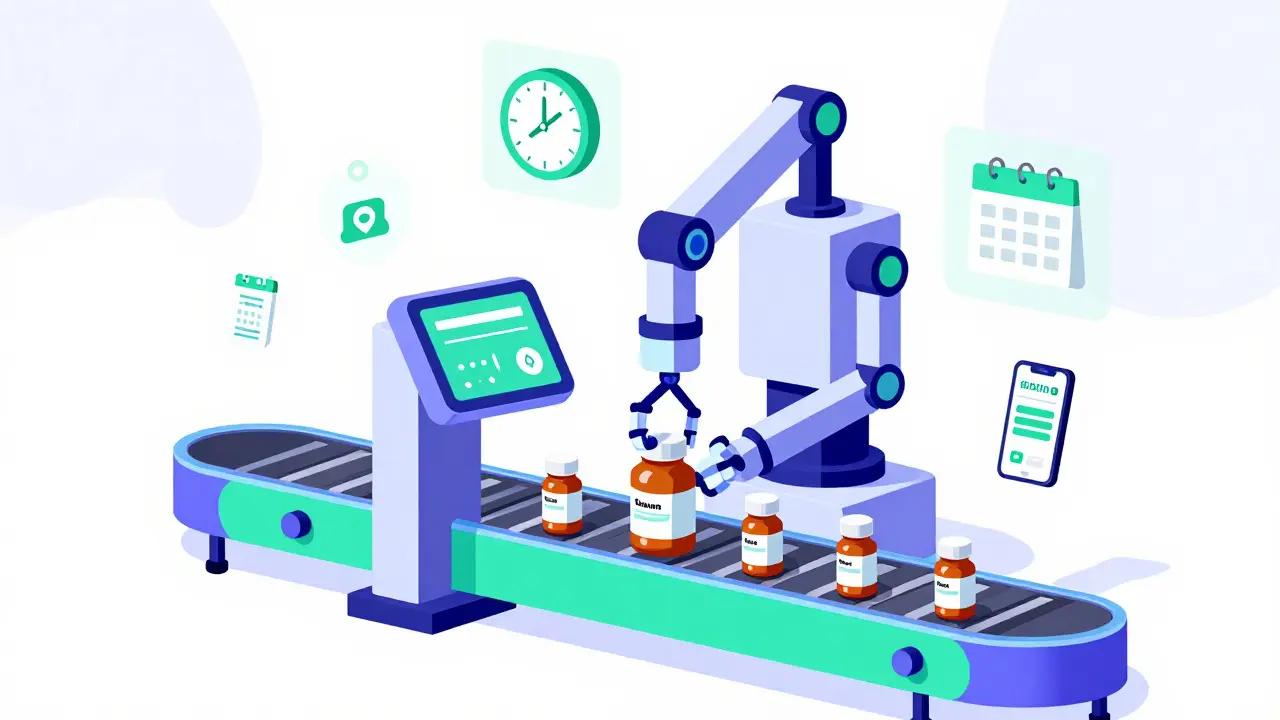
It isn't magic; it's just smart scheduling. When you enroll in an automated program, your Pharmacy Management System tracks your medication's "burn rate" based on the dosage and quantity dispensed. Typically, the system is set to trigger a refill 5 to 7 days before you are expected to run out. This buffer accounts for shipping times or a quick trip to the store.
Modern online pharmacies have evolved beyond simple timers. Many now use AI to analyze your specific habits. If you consistently pick up your meds two days late, the AI might adjust the notification window to better fit your life. This integration often extends to Electronic Health Records (EHR), allowing the pharmacy and your doctor to stay on the same page without you acting as the middleman for every single refill.
Why It’s a Perfect Match for Generic Medicines
Generic drugs are the backbone of chronic disease management. Whether it's a statin for cholesterol or a RASA for hypertension, these medications are usually taken for years. Because the chemical composition and dosage of generics are standardized, they are perfect candidates for automation. You aren't dealing with complex, fluctuating dosages that change every week, which makes the automation safer and more predictable.
Financial accessibility also plays a role. Some services have taken this a step further with subscription models. For example, Amazon Pharmacy introduced a program called RxPass that offers a variety of common generics for a flat monthly fee. This removes the "sticker shock" at the pharmacy counter and encourages people to stay on their meds because the cost is predictable.
| Medication Type | Adherence Increase | Primary Benefit |
|---|---|---|
| Statins (Cholesterol) | 7.2% | Reduced missed doses |
| Diabetes Medications | 6.8% | Steady glucose management |
| RASA (Hypertension) | 3.9% | Lowered blood pressure volatility |
The Pros and Cons: Is it Right for You?
For most, the convenience is unbeatable. You get peace of mind knowing your meds are ready. For pharmacy staff, it's a huge relief too; some reports show a 37% drop in manual refill follow-ups, which means the pharmacist can actually spend more time answering your questions instead of playing phone tag with insurance companies.
However, it's not without risks. The biggest danger is "dosage lag." If your doctor decides you need to increase your dose of diltiazem from 240 mg to 360 mg, but the automated system has already processed your next batch at the old dose, you might receive the wrong strength. There is also the risk of medication waste-if you stop taking a drug but forget to cancel the automation, you end up with a pile of expensive, unused pills.
Some critics, like those in the medical community at KevinMD, argue that by removing the 30-day touchpoint with a pharmacist, we lose an opportunity for professional counseling. When you don't have to talk to the pharmacist every month, you might not mention a new side effect or a weird interaction you've noticed.
Getting Started and Avoiding Pitfalls
Setting this up is usually quick, taking about 8 to 12 minutes through a patient portal or a quick conversation at the counter. If you're not tech-savvy, don't sweat it-most national chains provide in-person help during off-peak hours to get you enrolled.
To make the most of this feature without the risks, follow these ground rules:
- The Quarterly Audit: Every three months, sit down and review your medication list. Ensure everything being auto-refilled is still necessary.
- The Dose-Change Check: Whenever your doctor changes a prescription, call your pharmacy immediately to confirm the automated system has been updated. Don't assume the electronic signal went through.
- Notification Sync: Enable multi-channel notifications. Get an email and a text so a single missed alert doesn't lead to a missed dose.
The Future of Medication Management
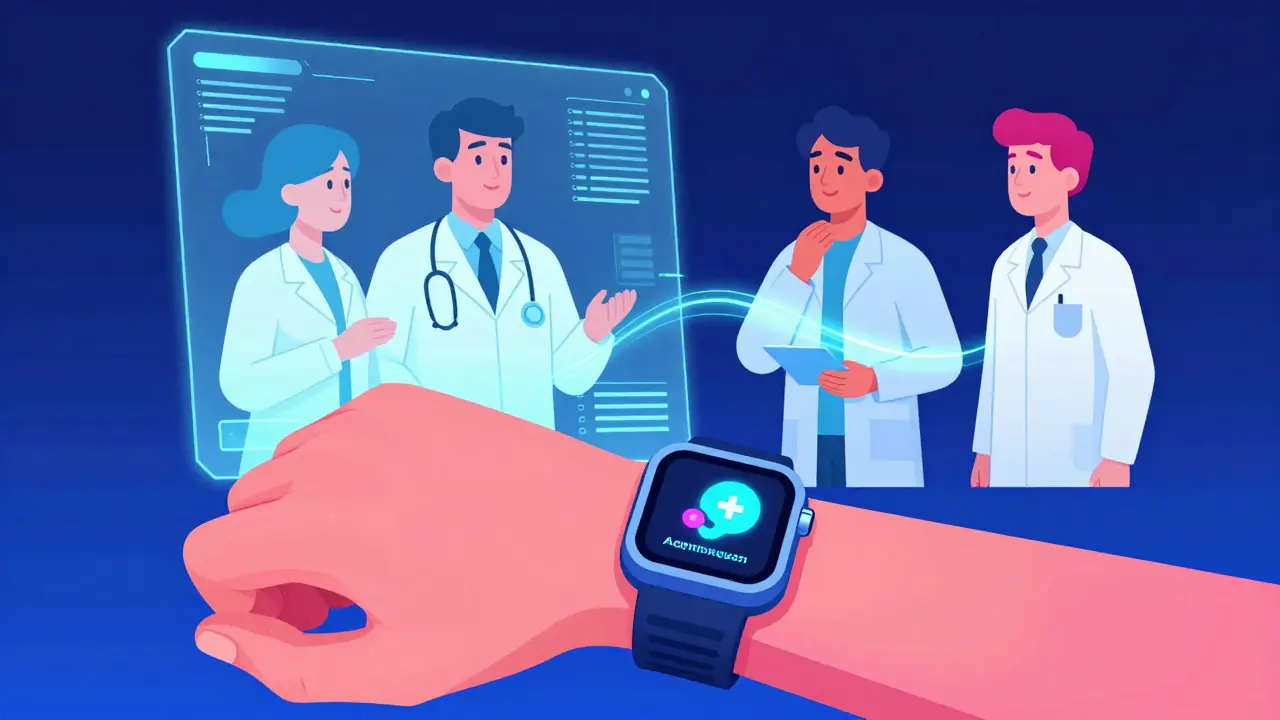
We are moving toward a world where your meds manage themselves. We're already seeing integrations between pharmacy systems and ecosystems like Apple Health, allowing you to track your adherence directly on your wrist. The next leap is AI-driven personalization, where the system doesn't just refill on a date, but learns your lifestyle and suggests the best time for delivery or pickup.
We're also seeing a shift toward telehealth integration. Imagine a virtual visit where your doctor adjusts your generic medication, and the pharmacy system updates your automated refill instantly, notifying you that the new dose is ready for delivery. It removes the friction that often leads to people giving up on their treatment plans.
Will automated refills lead to too much medication?
Actually, data suggests the opposite. Studies on programs like those at CVS found that automatic refills didn't significantly increase medication oversupply. Because the system is tied to the prescription's actual quantity, it doesn't create "extra" pills; it just ensures the existing ones are available on time.
Can I still change my mind and not pick up a refill?
Yes. Automated refills trigger the preparation of the medication, but they don't force you to take it. You can always call the pharmacy to cancel a specific refill if your doctor has changed your therapy or if you've decided to stop the medication.
Is this service available for all medications?
Most pharmacies limit automated refills to maintenance medications-those used for chronic conditions like high blood pressure or diabetes. Controlled substances (like certain painkillers or ADHD medications) usually cannot be automated due to strict legal regulations and the need for new prescriptions every 30 days.
Do automated refills cost more?
Generally, no. The price of the medication remains the same. However, if you use a mail-order service, you might save on gas or delivery fees. Some subscription models, like RxPass, actually lower the out-of-pocket cost for common generics through a flat monthly fee.
What happens if my insurance denies the automated refill?
The pharmacy will typically notify you via SMS or email that the refill was rejected. This is common when a "prior authorization" is required from your doctor. Because the system triggers the refill early, you usually have a few days to resolve the insurance issue before you actually run out of pills.
Next Steps for Your Health
If you're taking a long-term generic medication, your first step should be checking your pharmacy's app or portal to see if "Auto-Refill" is an option. If you're elderly or uncomfortable with the tech, ask your pharmacist during your next visit to set it up for you manually.
For those who frequently change medications or dosages, consider a "hybrid" approach: use automated refills for your stable medications (like a daily vitamin or a long-term blood pressure pill) but keep a manual process for anything that requires frequent adjustment. This gives you the convenience of automation without the risk of dosage errors.