
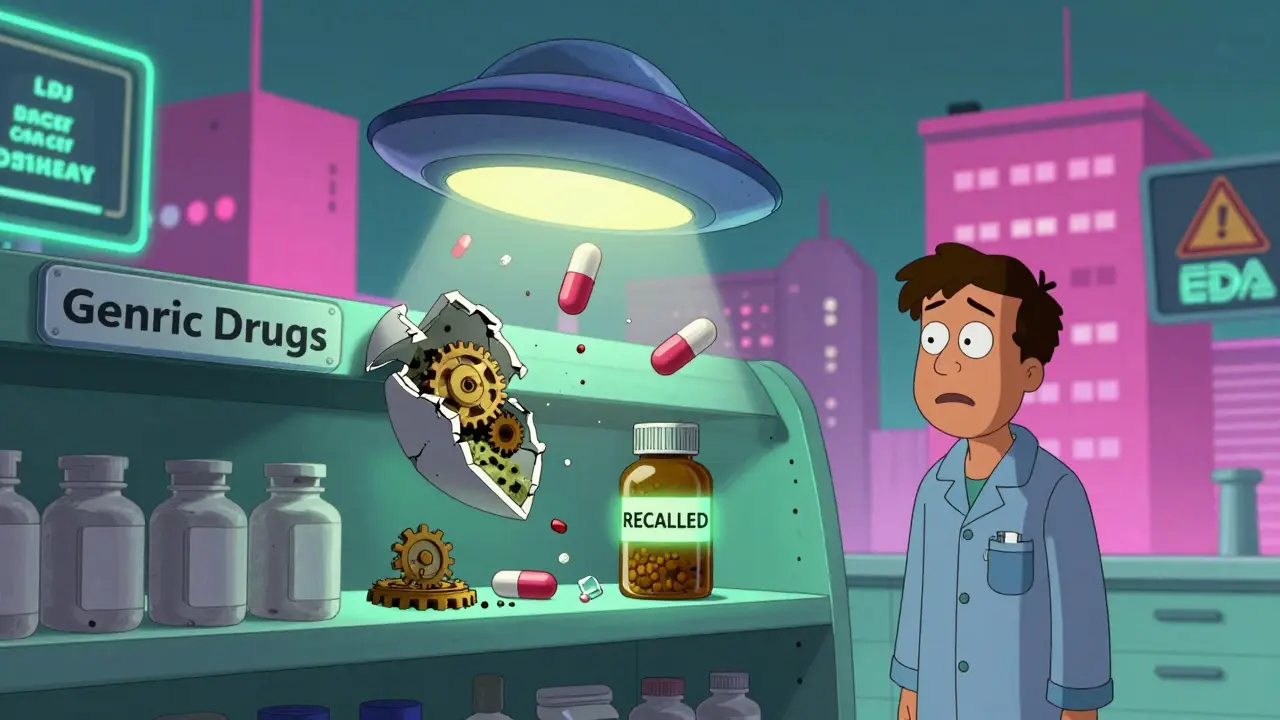
Every year, tens of thousands of people in the U.S. are unknowingly taking medications that may not work as they should - or worse, could harm them. Generic drugs make up nearly 90% of all prescriptions filled, but they’re also behind most drug recalls. In 2024 alone, the FDA recorded 323 drug recall events, and nearly two-thirds of them involved generics made overseas. If you take a pill for high blood pressure, cholesterol, ADHD, or pain, you need to know how recalls work - and what to do if yours is affected.
Why Do Generic Drugs Get Recalled?
Most recalls don’t happen because the drug is dangerous on its own. They happen because something went wrong during manufacturing. The biggest reason? Violations of Current Good Manufacturing Practices (CGMP). These are strict rules the FDA sets to make sure every batch of medicine is made the same way - clean, consistent, and safe.
When a factory cuts corners, problems show up fast. Think of it like baking cookies. If the oven isn’t calibrated right, some come out burned. If the flour is dusty or the worker doesn’t wash their hands, you get contamination. In drug manufacturing, these small mistakes can mean a pill doesn’t dissolve properly, contains foreign particles, or has too much - or too little - of the active ingredient.
One major example came in April 2025, when Glenmark Pharmaceuticals recalled nearly 40 generic drugs made in India. The FDA found poor facility maintenance, uncalibrated equipment, and inadequate testing. The recall included common meds like acetaminophen and ibuprofen tablets, and cetirizine (an allergy pill). These were labeled Class II - meaning they could cause temporary health issues, but not life-threatening harm.
Failed Dissolution: When the Pill Doesn’t Work
One of the most dangerous - and common - recall reasons is when a pill doesn’t dissolve at the right rate. This is called a failed dissolution specification.
Take Atorvastatin, the generic version of Lipitor. It’s taken by 47 million Americans to lower cholesterol. If the tablet doesn’t break down properly in your stomach, you won’t absorb the full dose. That means your cholesterol stays high, raising your risk of heart attack or stroke.
In September 2025, Alkem Laboratories recalled over 140,000 bottles of Atorvastatin after lab tests showed inconsistent dissolution. The same thing happened with lisdexamfetamine (generic Vyvanse), used for ADHD. Patients who stopped taking it suddenly experienced fatigue, depression, and worsening symptoms. Doctors warned: don’t quit cold turkey, even if your pills are recalled.
Contamination: The Silent Threat
Contamination is another major red flag. It could be dust, mold, chemicals from another drug, or even tiny glass particles. In October 2025, a recall was issued for a hydrocodone oral solution because of visible particles floating in the liquid. That’s not just dirty - it’s dangerous.
But the most alarming contamination case involved fentanyl patches. Over 50 million patches were returned because the seals leaked. That meant some patients got no pain relief (underdosing), while others got too much - risking overdose. Dr. Julio Nunes, a Yale psychiatrist, called it one of the most serious safety failures in recent memory: “It wasn’t a labeling error. It was a physical flaw in the patch.”
Between 2015 and 2024, nearly 28% of all drug recalls were due to contamination. And it’s not just dirt - cross-contamination between different drugs (like mixing blood pressure meds with antibiotics) is a growing concern.
Where Are These Drugs Made?
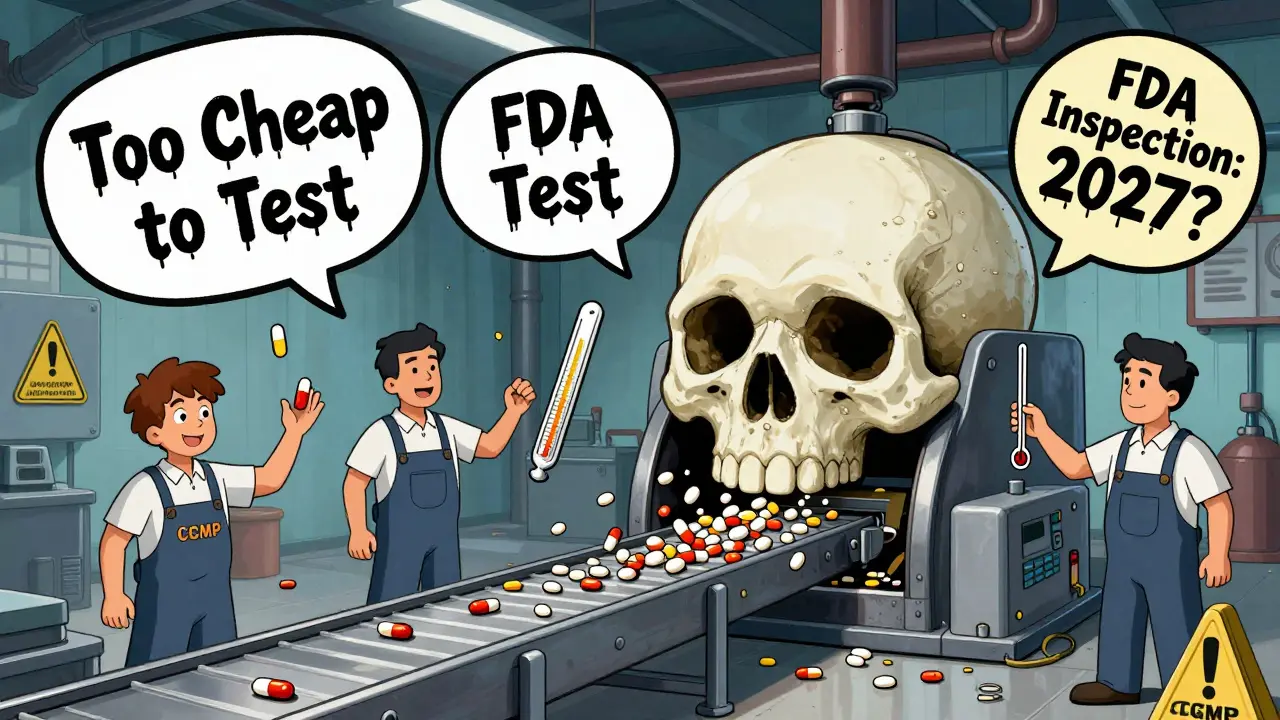
Most generic drugs sold in the U.S. aren’t made here. About 68% come from overseas - mostly India and China. Indian factories alone account for 43% of all drug recalls since 2015.
Why? Because it’s cheaper. But cheaper doesn’t mean worse. Many overseas factories are clean and compliant. The problem is oversight. The FDA inspects U.S. plants every 2-3 years. For foreign facilities? It’s more like every 4-5 years. That gap lets problems slip through.
And when a recall happens, it’s often too late. In 2024, about 19% of recall notices never reached the patient. You might have the bad batch in your medicine cabinet - and you’d never know.
What Should You Do If Your Drug Is Recalled?
Here’s what to do - step by step.
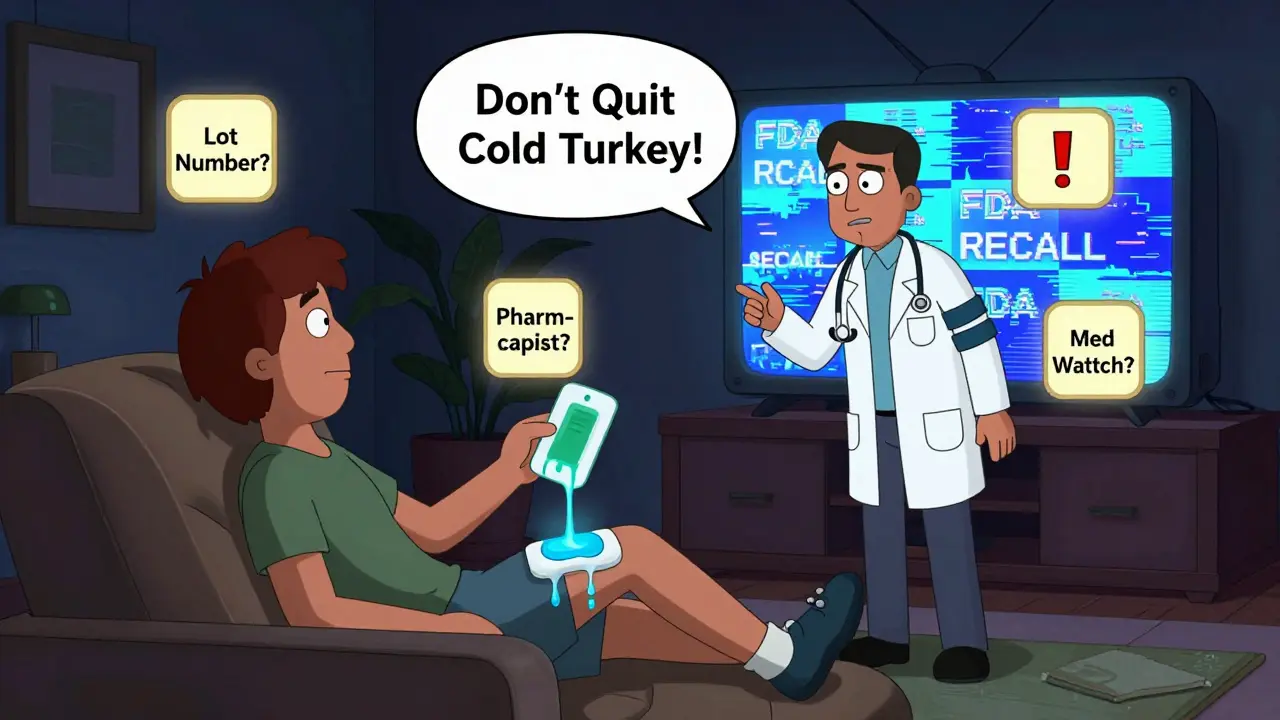
- Don’t panic. Don’t stop cold. If you’re on a recalled medication, especially for ADHD, heart disease, or mental health, stopping suddenly can be dangerous. Withdrawal from stimulants can cause depression. Stopping blood pressure meds can spike your numbers.
- Check your lot number. Look on the bottle or box. The recall notice will list exact lot numbers. If yours matches, take action.
- Contact your pharmacy. CVS and Walmart now have automated systems that flag recalled lots when you refill. If they didn’t call you, call them. Ask: “Is my lot number affected?”
- Call your doctor. They’ll help you switch to a safe alternative - or give you a temporary supply while you wait.
- Return the medication. Most pharmacies will take back recalled drugs and give you a refund or replacement. No receipt? No problem.
- Report side effects. Use the FDA’s MedWatch program to report any strange symptoms. Even if you’re not sure, report it. These reports help the FDA catch patterns.
How to Stay Protected
Recalls are reactive. You need to be proactive.
- Save your prescription labels. Keep a photo of the bottle with the lot number and expiration date in your phone. You’ll need it if a recall hits.
- Use pharmacy apps. CVS, Walgreens, and Walmart send recall alerts via text or email. Make sure you’re signed up.
- Know your drug’s manufacturer. Generic drugs have different makers - even if they have the same name. Ask your pharmacist: “Who makes this version?”
- Check the FDA website. Go to fda.gov/drugs/drug-safety-and-availability/drug-recalls. Bookmark it. Check once a month.
What’s Changing Now?
The FDA is trying to fix this. In 2023, they doubled inspection frequency for high-risk factories. By 2026, their new PREDICT system will track every imported generic drug before it enters the U.S. - not just 64%, like today.
Big manufacturers like Teva and Viatris also formed the Generic Pharmaceutical Quality Consortium in January 2025. They’re investing $285 million to set up independent labs in India and China to test batches before they leave the country.
Still, the system is fragile. Recalls are rising - up 23% from 2023 to 2024. And each recall costs over $47 million on average. For patients, the real cost isn’t money - it’s trust.
Bottom Line
Generic drugs save billions of dollars every year. But safety can’t be an afterthought. Most recalls are preventable - and most patients are left in the dark. You can’t control where your drug is made. But you can control what you do when you find out it’s been recalled.
Check your lot number. Talk to your pharmacist. Don’t stop your meds without advice. And if something feels off - report it. Your action might help save someone else’s life.
Elan Ricarte
February 7, 2026 AT 13:34Tricia O'Sullivan
February 9, 2026 AT 10:50Ryan Vargas
February 11, 2026 AT 02:17Sam Dickison
February 11, 2026 AT 03:07Brett Pouser
February 11, 2026 AT 05:07Karianne Jackson
February 12, 2026 AT 22:50Chelsea Cook
February 13, 2026 AT 19:10Andy Cortez
February 15, 2026 AT 08:07Jacob den Hollander
February 17, 2026 AT 01:06