
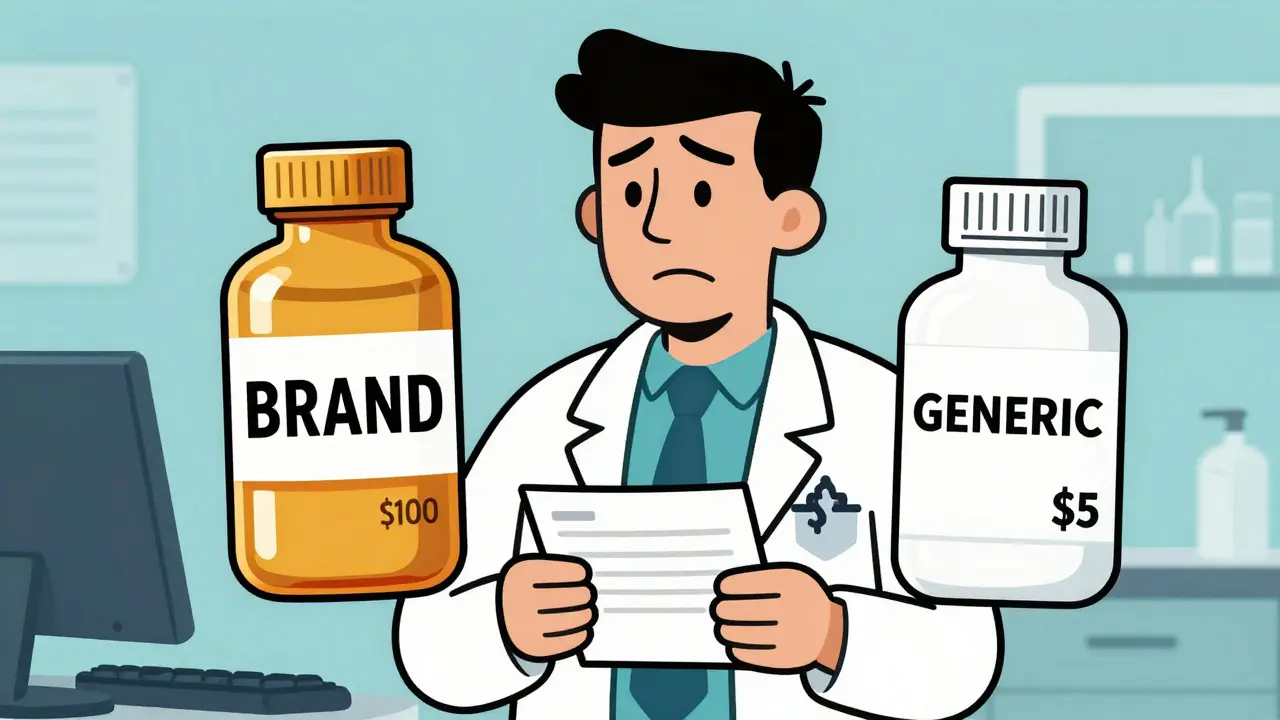
| Feature | Branded Medication | Generic Medication |
|---|---|---|
| Active Ingredient | Proprietary Formula | Identical Active Ingredient |
| Cost (Average) | High (Baseline) | 80-85% Lower |
| Bioequivalence | Reference Standard | 80-125% of Reference |
| Naming | Trade Name (e.g., Lipitor) | INN (e.g., Atorvastatin) |
The Standard for Therapeutic Equivalence
To trust a generic, you need to know what "equivalent" actually means in a regulatory sense. In the US, the FDA is the federal agency responsible for protecting public health by ensuring the safety and efficacy of drugs . They use the "Orange Book" to identify drugs that are therapeutically equivalent. For a drug to earn an 'A' rating, it must show 80-125% bioequivalence to the reference drug through pharmacokinetic studies. This means the rate and extent of absorption are practically the same. Similarly, the European Medicines Agency (EMA) and the MHRA is the executive agency of the UK government responsible for regulating medicines and medical devices follow strict directives (like Directive 2001/83/EC) to ensure that pharmaceutical equivalence-meaning the same salt, strength, and dosage form-is maintained. When you prescribe generically, you aren't gambling with the patient's health; you're relying on a global system of standardized naming and rigorous testing.When to Avoid Generic Substitution
While the goal is to prescribe generically about 90% of the time, there are "red zone" medications where you must stick to the brand. The British National Formulary (BNF) is the standard pharmaceutical reference for prescribing, dispensing, and administering medicines in the UK provides a clear three-category framework for these exceptions. First, watch out for drugs with a narrow therapeutic index (NTI). These are medications where a tiny shift in blood concentration can lead to toxicity or treatment failure. Examples include digoxin, warfarin, and levothyroxine. If a patient is stabilized on a specific brand of levothyroxine, switching to a different generic version can cause fluctuations in TSH levels, potentially throwing the patient back into a hypothyroid or hyperthyroid state. Second, be cautious with modified-release preparations. Some generics struggle to mimic the exact release kinetics of the original brand, which can lead to "dose dumping" or sub-therapeutic levels between doses. Finally, avoid generic substitution for Biologic Products, which are complex medicines derived from living organisms rather than chemical synthesis . Unlike small-molecule generics, biosimilars aren't identical copies. Switching between different biosimilars can increase the risk of immunogenicity, which is why the MHRA recommends prescribing these by brand name to ensure consistency.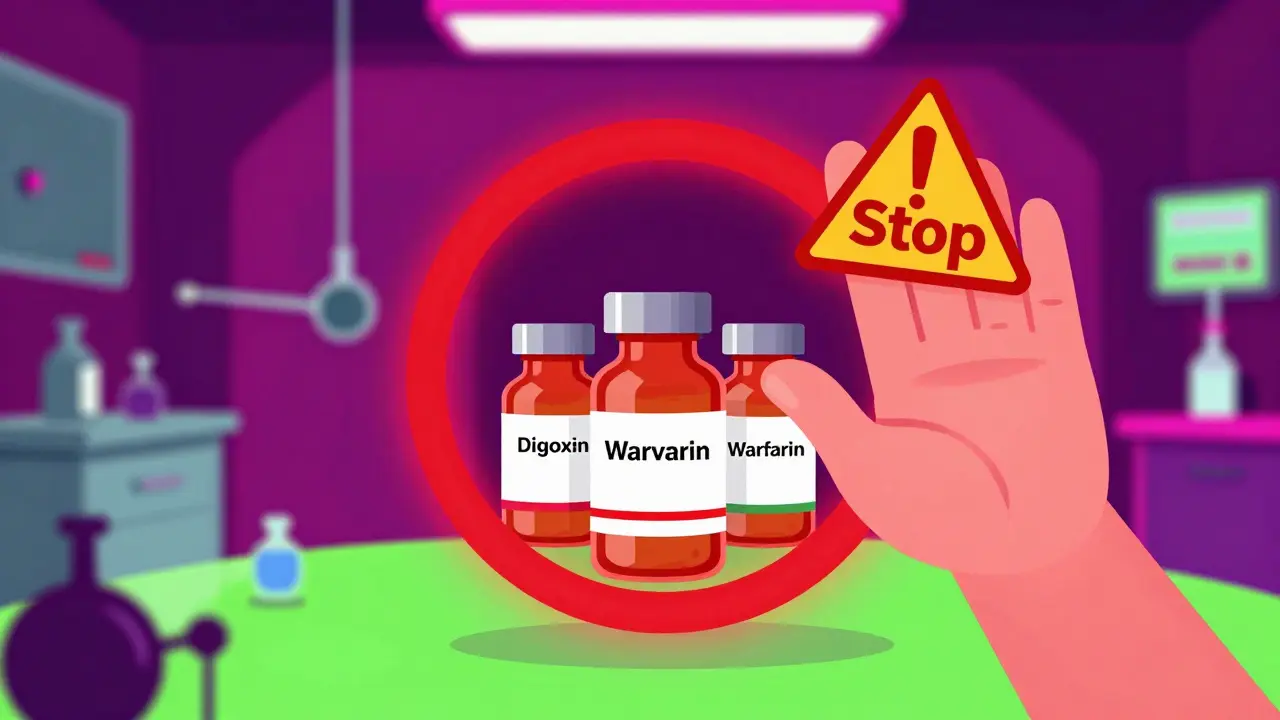
The Impact on Patient Adherence and Safety
Lowering the cost of a prescription is one of the most effective ways to keep a patient compliant. When a monthly cost drops from £30 (for something like Lipitor) to £2.50 (for atorvastatin), the patient is far less likely to skip doses due to financial stress. Data from the American College of Physicians indicates that generic prescribing can improve adherence by 8-12%, which directly translates to a 15% reduction in hospitalizations for chronic conditions. There is also a surprising safety benefit. Using a single generic name instead of multiple brand names reduces the risk of medication errors by up to 50%. Think about it: a single drug might have ten different brand names across different markets, but it only has one International Non-proprietary Name (INN), which is a unique global name for pharmaceutical substances intended to be used in the naming of pharmaceutical substances . Using the INN removes the guesswork and the risk of confusing two similarly named brands.Handling Patient Skepticism and the Nocebo Effect
Not every patient is happy when they see a different colored pill in their bottle. Some believe generics are "cheaper" and therefore "weaker." This is often a case of the nocebo effect-where the belief that a treatment is inferior actually causes the patient to feel worse or perceive a lack of efficacy. To counter this, use the "Explain, Empower, Engage" framework. Instead of saying "this is a cheaper version," try a script like: "This generic version contains exactly the same active ingredient as the brand you've been taking. It has been tested to work the same way, and it will save you money every month with no difference in how well it treats your condition." Research shows that when physicians take a minute to explain the rationale, patient acceptance jumps from 67% to 89%.
Implementing a Generic-First Workflow
Moving toward a 90%+ generic prescribing rate doesn't happen overnight, but it can be systematized. Start by auditing your current patterns. If you're in a clinic, look at your most prescribed medications and identify how many are still written by brand name without a clinical justification. Next, set your electronic prescribing system to default to the generic name. This forces you to consciously make a choice if you actually need the brand, rather than accidentally prescribing a brand because it was the first one in the drop-down menu. Finally, keep a short list of NTI drugs and biologics on your desk as a reminder of when to override the default. Most providers find that after two or three months of this focused approach, generic prescribing becomes a natural habit.Are all generic drugs identical to the brand name?
The active ingredients, strength, and dosage form are identical. However, inactive ingredients (excipients) like fillers, binders, and dyes can differ. While these don't affect the drug's efficacy for most people, some patients may have sensitivities to specific dyes or fillers used by different manufacturers.
Why are some generics riskier for epilepsy patients?
Antiepileptic drugs often have narrow therapeutic windows. Small variations in bioavailability between different generic manufacturers can lead to a 1.5-2.3% higher risk of seizure recurrence. It is generally recommended to avoid multiple generic switches once a patient is stabilized on a specific formulation.
What is the difference between a generic and a biosimilar?
Generics are exact chemical copies of small-molecule drugs. Biosimilars are designed to be "highly similar" to a biologic drug but are not identical because biologics are made from living cells, making an exact copy impossible. Because of this, biosimilars require different regulatory pathways and more cautious prescribing patterns.
Does generic prescribing actually save the healthcare system money?
Yes, significantly. In the US alone, generic drugs saved the healthcare system an estimated $2.2 trillion between 2009 and 2019. In the UK, the NHS estimates that increased generic substitution could save over £1 billion annually by reducing the cost of drug procurement.
How do I handle a patient who insists on a brand name?
Acknowledge their concern and explain the bioequivalence standards (like the FDA's 80-125% rule). If the drug is not an NTI or biologic, emphasize that the active ingredient is identical. If they still refuse, document the preference and consider the impact on their long-term adherence due to cost.