
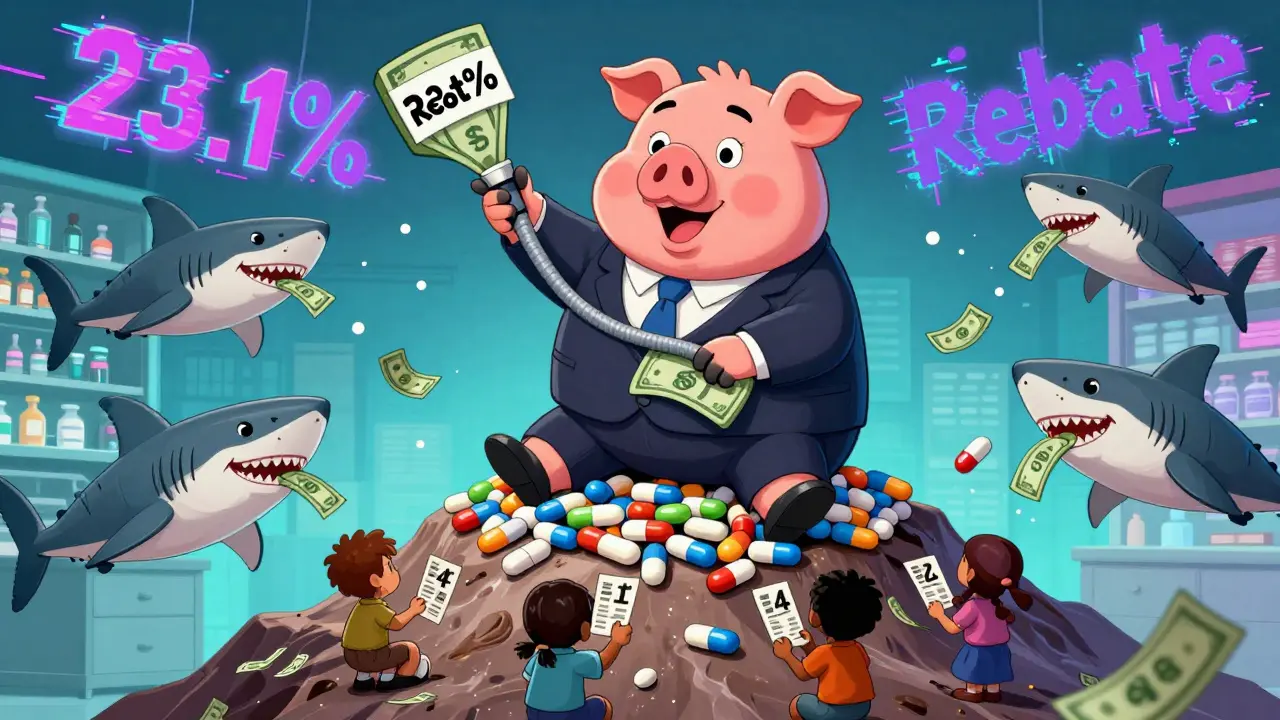
When you pick up a prescription for generic lisinopril or metformin, you might assume the price is set by the market-simple supply and demand. But behind that $4 copay is a complex web of federal rules, rebate systems, and hidden negotiations that shape exactly what you pay. The U.S. doesn’t directly set prices for generic drugs like many other countries do. Instead, it uses a patchwork of programs to push prices down-sometimes effectively, sometimes not.
How Medicaid Drives Down Generic Prices
The biggest force keeping generic drug prices low isn’t competition alone-it’s Medicaid. Since 1990, the Medicaid Drug Rebate Program (MDRP) has forced drugmakers to pay rebates to states for every generic drug sold to Medicaid patients. The math is straightforward: manufacturers must pay back either 23.1% of the average price they charge wholesalers, or the difference between that price and the lowest price they offer to any private buyer-whichever is higher. In 2024, these rebates totaled $14.3 billion, and 78% of that came from generic drugs. That’s not charity-it’s a legal requirement. Without it, many generic manufacturers would charge more. The system works because Medicaid is the largest single buyer of drugs in the country. If a company wants to sell to Medicaid, they have to play by the rules. And because most manufacturers sell to Medicaid, they end up offering that same low price to everyone else just to avoid price discrimination.Medicare Part D and the Out-of-Pocket Cap
For seniors on Medicare Part D, the story is different. Before 2025, beneficiaries paid 25% of the cost for generics during the initial coverage phase, and many faced steep bills once they hit the coverage gap. But the Inflation Reduction Act changed that. Starting in 2025, no Medicare beneficiary pays more than $2,000 a year out of pocket for all their drugs-generic or brand-name. That cap has had an immediate effect. In 2024, the average Medicare user spent $412 a year on generics. By 2025, that number dropped to $327. For low-income beneficiaries enrolled in the Low-Income Subsidy (LIS) program, many pay $0 for generics. The average copay? Just $4.90. That’s not because the drug is cheap-it’s because the government absorbs the rest. But here’s the catch: the price you see at the pharmacy counter isn’t always the real price. PBMs (pharmacy benefit managers) negotiate rebates with manufacturers behind the scenes, and most of that money never reaches you. A 2025 Senate report found that 68% of generic drug “savings” from rebates stay with PBMs and insurers, not patients.The 340B Program: Hidden Discounts for the Poor
If you’re uninsured or underinsured and get care at a community health center, you might be benefiting from the 340B Drug Pricing Program. Created in 1992, this program requires drugmakers to sell outpatient medications-including generics-at steep discounts to hospitals and clinics that serve low-income populations. The discounts? Typically 20% to 50% below the average market price. In 2025, 87% of safety-net clinics reported that 340B discounts improved patient adherence to medications. A diabetic on metformin might pay $5 a month instead of $30. A heart patient on generic atorvastatin might get it for free. But here’s the problem: the program doesn’t regulate how much those clinics charge patients. Some pass on the full savings. Others charge full price and pocket the difference. There’s no transparency.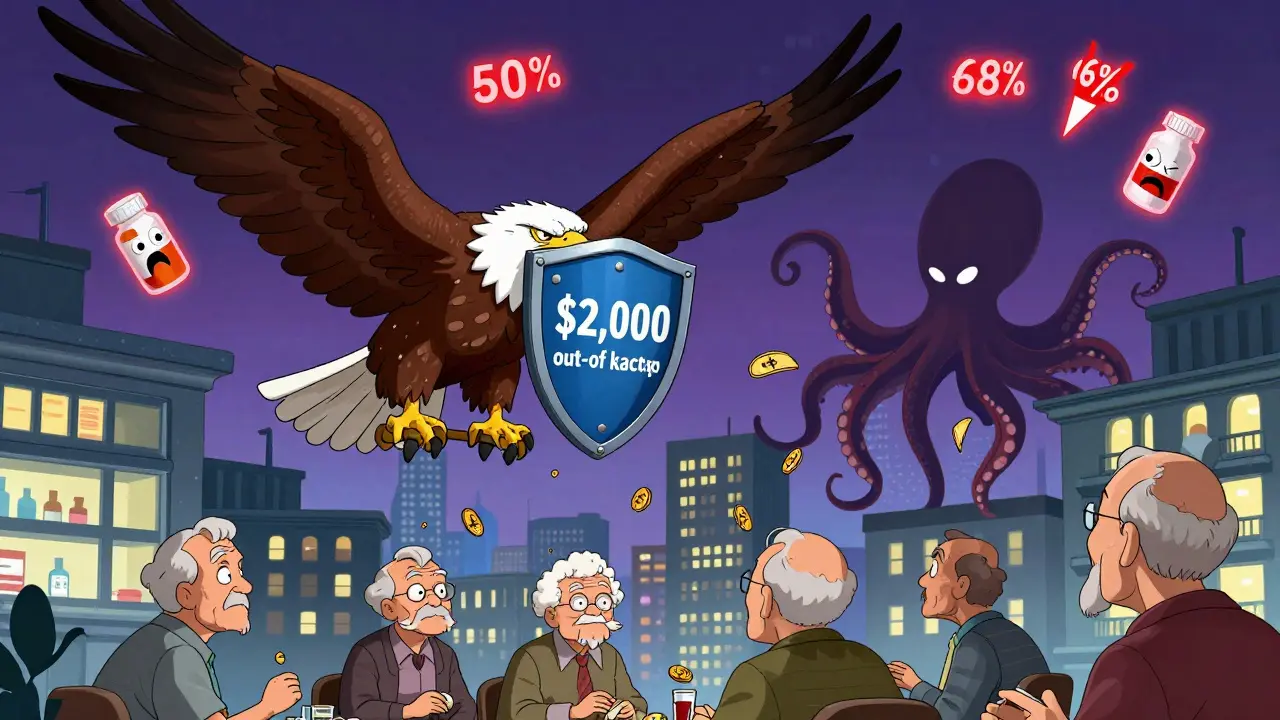
Why Generic Prices Still Spike
You’d think that with 1,500 manufacturers making over 10,000 generic drugs, prices would always be low. But that’s not true when competition disappears. Take pyrimethamine (Daraprim), a 70-year-old drug used to treat parasitic infections. In 2024, only two companies made it. When one of them stopped production, the remaining manufacturer raised the price by 300%. No one could challenge them. The same thing happened with doxycycline, a common antibiotic, when only three manufacturers remained. Prices jumped 1,000% in two years. These aren’t rare cases. The FDA tracks “low-competition generics”-drugs with fewer than three manufacturers. In 2025, there were 217 of them. Prices for these drugs rose an average of 500% over five years. The government doesn’t step in to prevent these spikes. It relies on competition to fix itself-and sometimes, it doesn’t.Medicare’s New Drug Price Negotiation (And Why Generics Are Mostly Exempt)
The Inflation Reduction Act gave Medicare the power to negotiate prices for certain high-cost drugs. The first 10 were selected in 2026, mostly brand-name drugs like insulin and blood thinners. In 2027, the list expands to 15 drugs-including generic versions of Eliquis and Xarelto. These aren’t new generics. They’re the same drugs, just off-patent. But they’re still expensive because of how they’re packaged and sold. Why target these? Because even though they’re generic, they’re used by millions. Eliquis alone costs Medicare $12 billion a year. If negotiation brings down the price by 30%, that’s $3.6 billion saved annually. But most generics are still off-limits. Why? The government says they’re already cheap because of competition. The problem? That assumption breaks down when only one or two companies make the drug. Critics argue Medicare should negotiate on all generics with fewer than three manufacturers. So far, they haven’t.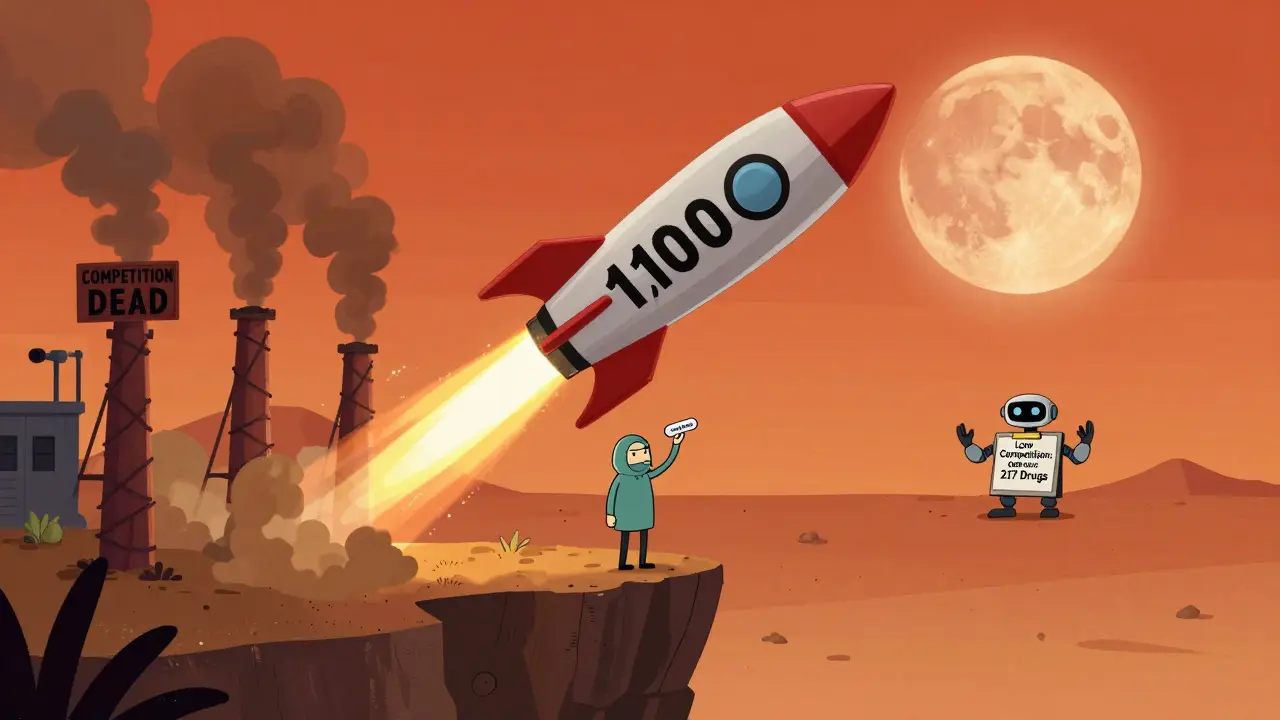
Dave Old-Wolf
January 7, 2026 AT 22:55So the real hero here isn't the market-it's Medicaid forcing companies to give discounts just to play ball. And then those savings? Mostly get sucked up by PBMs. I never realized my $4 copay was basically a mirage. The system's rigged, but not in the way most people think.
Kristina Felixita
January 9, 2026 AT 01:19OMG this is so real!! I'm a nurse and I see patients crying because their insulin went from $30 to $120 overnight-same drug, different manufacturer. No warning, no mercy. The government says 'competition fixes it' but when only one company is left?? That's not competition-that's extortion. 😔