
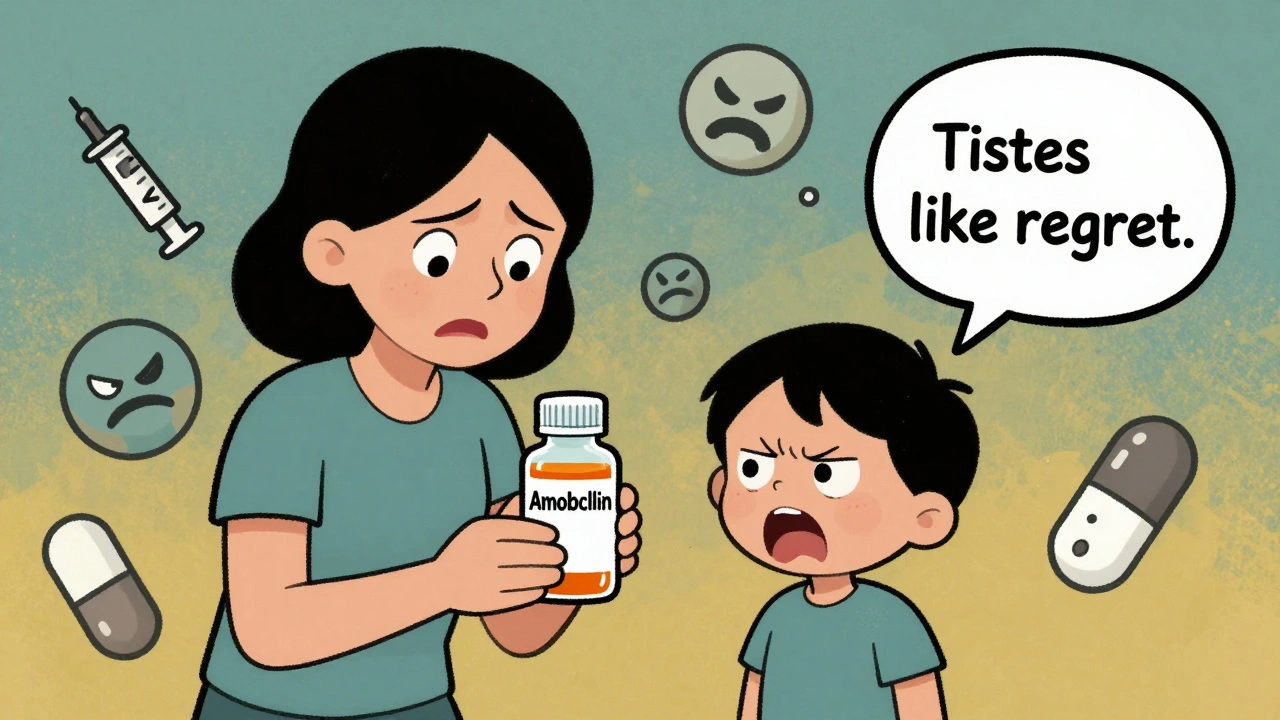
When a pharmacist hands you a new pill that looks different from what you’ve been taking for years, it’s natural to feel uneasy. For parents of young children and older adults managing multiple prescriptions, this moment can be stressful - even dangerous. Generic drugs are just as safe and effective as brand-name ones, but generic substitution isn’t just a swap on a label. It’s a clinical moment that needs careful handling, especially for kids and seniors.
Why Generic Substitution Feels Risky
Many people assume a generic drug is just a cheaper copy. That’s not wrong - but it’s incomplete. Generic drugs must contain the same active ingredient, strength, and dosage form as the brand-name version. The FDA requires them to be bioequivalent, meaning they deliver the same amount of medicine into the bloodstream within 80-125% of the brand’s rate. That sounds precise, but it’s not foolproof. For children, formulation matters more than you might think. Brand-name pediatric medicines often come as sweet-tasting liquids, chewable tablets, or easy-to-swallow capsules. Generics? Many are only available as tablets or bitter suspensions. A 2019 FDA analysis found that only 32% of generic pediatric formulations match the child-friendly formats of brand-name versions. That’s a big gap. One parent on Reddit shared that their 2-year-old refused the generic amoxicillin because it tasted awful - even though it was the same antibiotic. They had to switch back, despite the higher cost. For seniors, the issue is complexity. The average older adult takes 4.8 prescription drugs. When one pill changes color, shape, or size every few months - and they’re told it’s the same medicine - confusion sets in. A 78-year-old man in a 2023 AARP forum said his blood pressure pill changed appearance three times in six months. He stopped taking it because he thought it was a different drug. His doctor had to explain each change one by one.What Pharmacists and Doctors Often Get Wrong
Too often, the message is: “This is the same thing, just cheaper.” That’s not enough. It’s not even accurate. For narrow therapeutic index drugs - like seizure medications, blood thinners, or thyroid pills - even small differences in absorption can cause serious problems. A 2017 Danish study found that some epilepsy patients had seizure relapses after switching to a different generic version, even though both met FDA bioequivalence standards. That’s not because generics are unsafe. It’s because the system doesn’t account for individual sensitivity. The nocebo effect is real. If you’re told a cheaper pill might not work as well, your brain can start to believe it - and then you feel worse. A 2021 study in Frontiers in Pharmacology found that 58% of seniors reported new side effects after switching to a generic, even when no clinical change occurred. Their bodies didn’t react to the drug - they reacted to the fear. And then there’s the legal mess. In 19 states, pharmacists must substitute generics automatically. In 7 states and Washington, D.C., they need your consent. In 31 states, they just have to notify you - sometimes on the bottle, sometimes not. No consistency. No clarity. That’s why patients feel like they’re playing a guessing game with their health.How to Talk to Parents About Generic Medicines for Kids
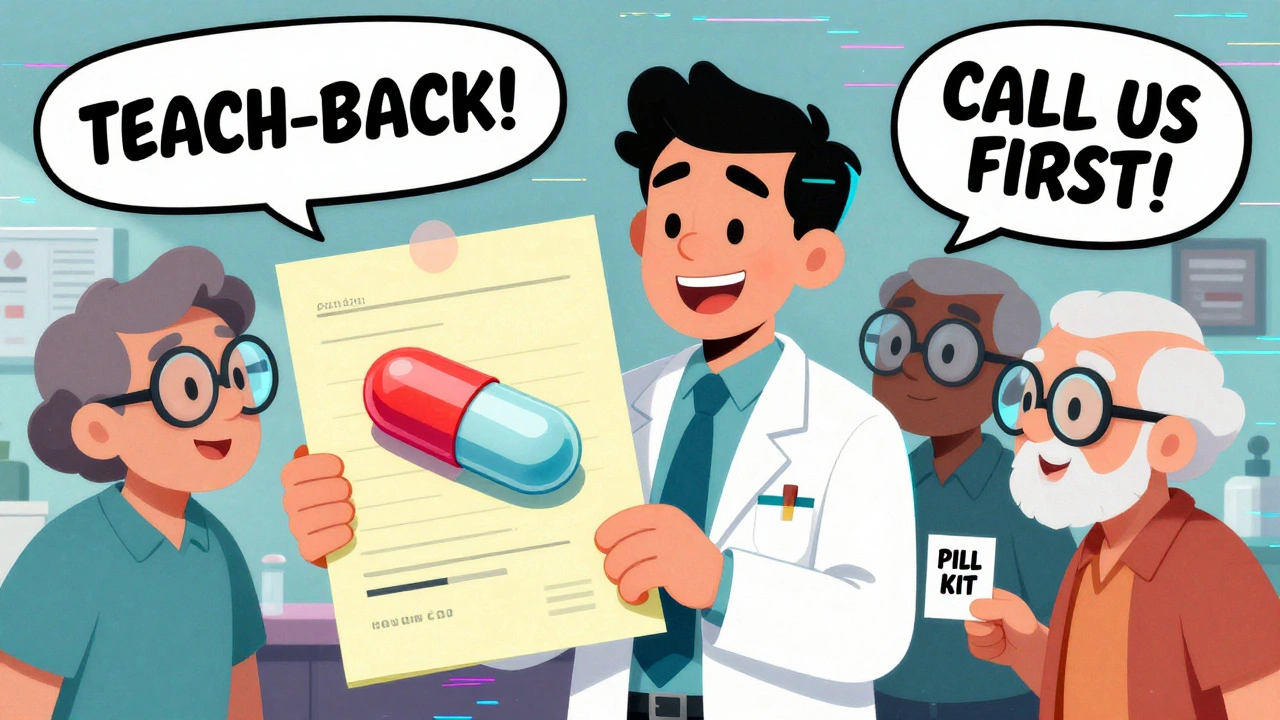
Talking to parents requires more than science. It requires empathy. Start by asking: “Have you noticed any changes in how your child takes their medicine?” Many parents won’t mention taste issues unless you bring it up. Then explain: “The active ingredient is the same. But sometimes, the flavor or texture is different. That doesn’t mean it’s less effective - but it might make it harder for your child to take it.” Use the teach-back method. Ask them to repeat it in their own words: “Can you tell me how you’ll explain this to your child?” If they say, “I’ll just say it’s the same,” you know you haven’t been clear enough. If the generic tastes bad and the child refuses it, don’t just say “try harder.” Offer alternatives: Can we get a different generic? Is there a brand-name version with a better taste? Can we crush it and mix it with applesauce? The goal isn’t just adherence - it’s trust. The American Academy of Pediatrics says providers should actively decide if a child is a good candidate for substitution. Not all kids are. Some need the exact formulation they’ve been on for stability. That’s not laziness - it’s precision.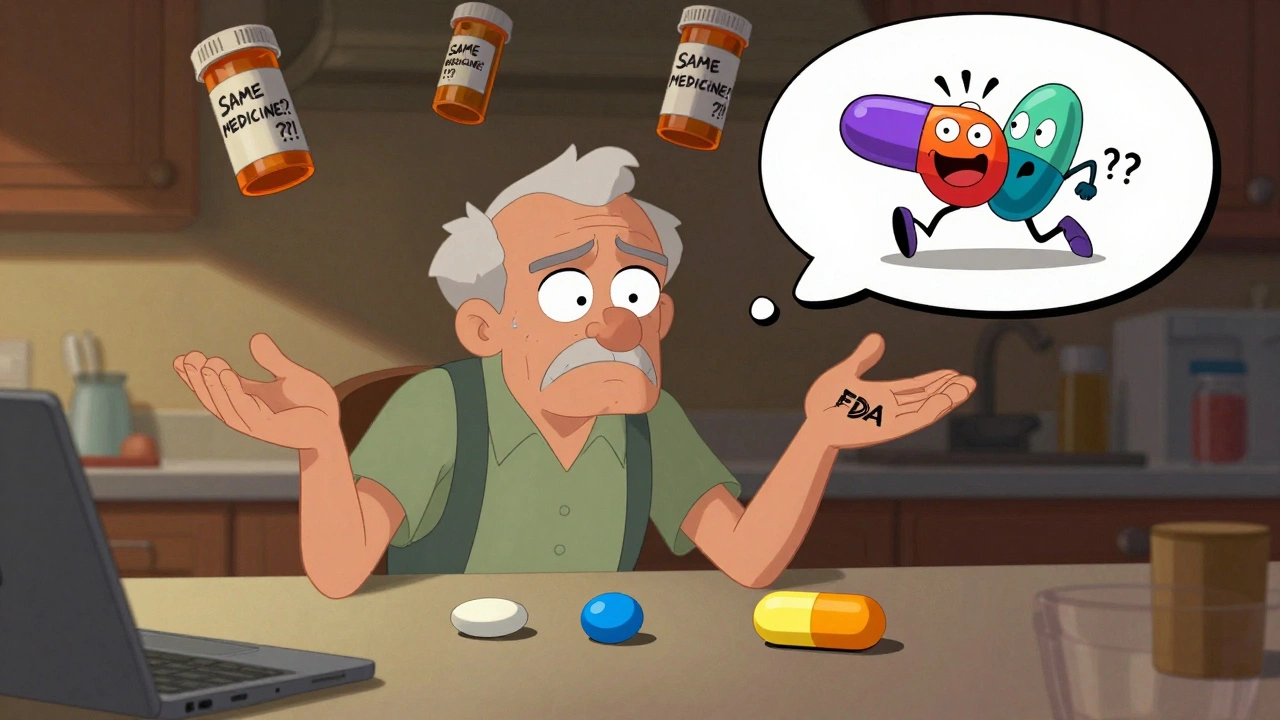
How to Talk to Seniors About Generic Medicines
Seniors don’t need more jargon. They need consistency, clarity, and control. Start with visuals. Use large-print cards that show the pill’s shape, color, and name. Include the brand and generic names side by side. Many seniors can’t read small print. Many can’t remember names. A picture helps. Involve family. If a senior lives alone, bring in a caregiver. Say: “This pill changed. We’re going to write down what it looks like now so you can recognize it next time.” Use the teach-back method again. Ask: “If you see a pill that looks different next month, what will you do?” If they say, “I’ll stop taking it,” you’ve got a problem. Correct it: “Call us first. We’ll check if it’s still the same medicine.” Be upfront about cost. Many seniors think generics are “weaker” because they’re cheaper. Say: “The government tests these pills to make sure they work just like the brand. They’re not cheaper because they’re worse. They’re cheaper because no one owns the patent anymore.” And here’s a secret: Don’t wait for them to notice the change. Proactively call before the refill. Say: “Your blood pressure pill is switching to a new generic next month. It’ll be a white oval instead of a blue round one. Here’s a picture.” That simple step cuts complaints by nearly half, according to a Drug Patent Watch pilot program.What Works: Evidence-Based Communication
The best strategies aren’t fancy. They’re simple and repeatable.- Use plain language - no medical terms. Say “medicine” instead of “pharmaceutical.”
- Use pictures - show the pill before and after substitution.
- Use teach-back - make them explain it back to you.
- Give written notes - even if they’re not tech-savvy, a paper card they can keep helps.
- Don’t assume consent - ask, “Is this okay with you?”
Gillian Watson
December 2, 2025 AT 22:20Martyn Stuart
December 3, 2025 AT 19:36Shofner Lehto
December 5, 2025 AT 14:22Chase Brittingham
December 6, 2025 AT 11:53Bill Wolfe
December 7, 2025 AT 14:13