
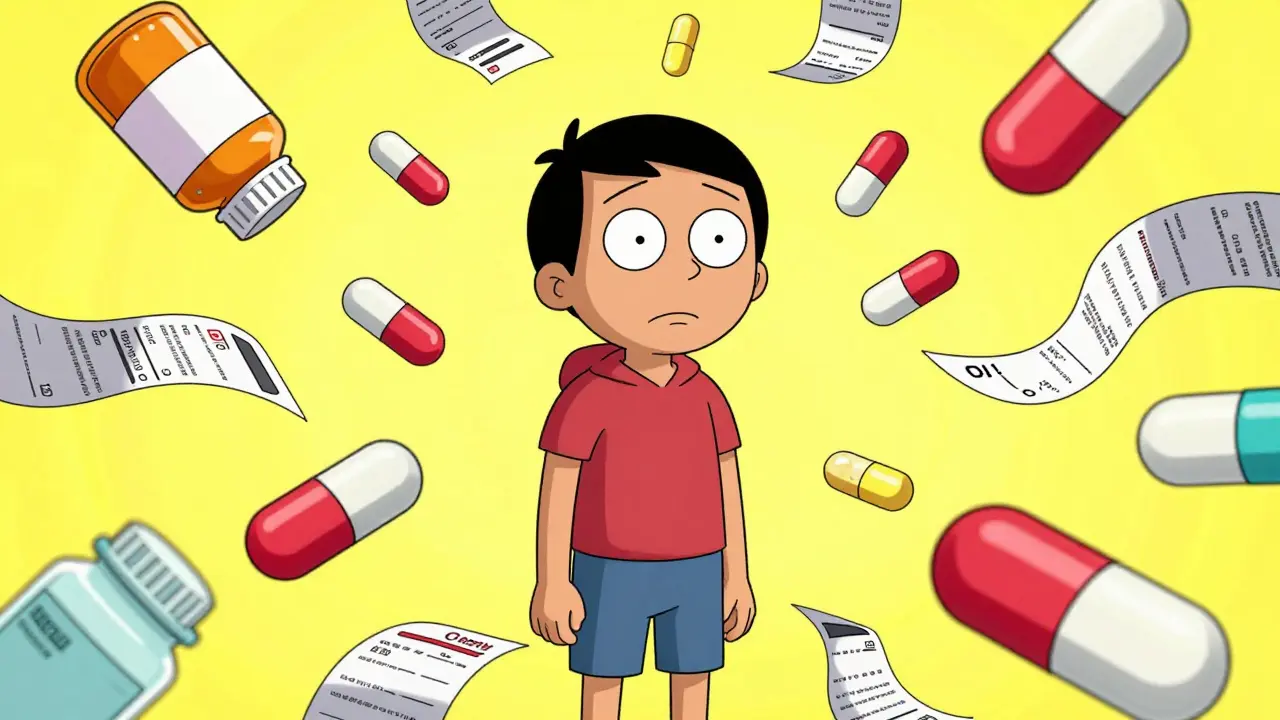
Ever feel like you're playing a guessing game with your pills? Between different doctors, various dosages, and the struggle to remember if you actually took your morning dose, managing health can feel like a full-time job. This confusion isn't just stressful-it's dangerous. In the U.S. alone, preventable medication errors lead to roughly 280,000 hospital admissions every year. The good news is that you don't have to manage this chaos alone. A medication action plan is the bridge between a confusing list of prescriptions and a daily routine that actually works.
| Feature | Standard Medication List | Medication Action Plan (MAP) |
|---|---|---|
| Content | Names and dosages | Steps, goals, and "if-then" scenarios |
| Purpose | Record keeping | Active self-management |
| Nature | Static document | Dynamic, living tool |
| Focus | What you take | How to succeed with what you take |
What exactly is a Medication Action Plan?
A Medication Action Plan (MAP) is more than just a list of drugs. Think of it as a personalized playbook. While a standard list tells you what to take, a MAP tells you how to fit those medications into your real life to get the best results. It is a core part of Medication Therapy Management (MTM), a professional service designed to optimize how you use your medicines.
The goal here is empowerment. Instead of just following orders, you and your care team create a structured guide that includes measurable goals. For example, instead of a vague note saying "take evening meds," a MAP might suggest: "Place the pill organizer next to my toothbrush to ensure I take my 8 PM dose," with a goal of hitting 90% adherence over the next month. It transforms a medical requirement into a manageable habit.
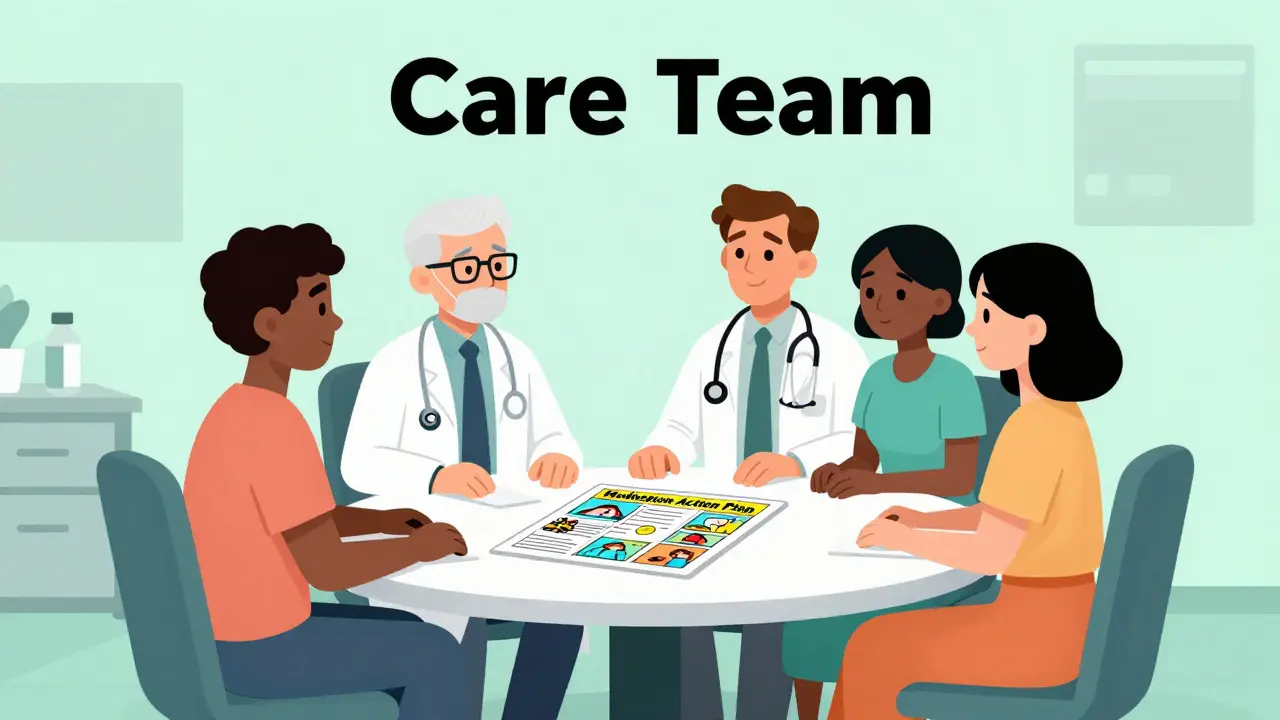
Who makes up your "Care Team"?
You shouldn't be the only person responsible for your plan. To make a MAP that actually works, you need a collaborative effort. The most effective plans are co-created by people who see different sides of your health journey:
- Pharmacists: These are your primary guides. They spot drug interactions and can help you find easier ways to take your meds (like once-a-day versions of a twice-a-day drug).
- Prescribing Physicians: Your doctors provide the medical indication-the "why" behind the medicine-and adjust dosages based on your lab results.
- Caregivers or Family Members: They often notice side effects or missed doses that you might overlook.
- You: The most important member. You are the only one who knows if a medication makes you too drowsy to drive or if the pill is simply too large to swallow easily.
Step-by-Step: Building Your Plan
Creating a MAP isn't a five-minute conversation; it's a process. Usually, it starts with a Comprehensive Medication Review (CMR), which typically takes 30 to 60 minutes. Here is how to navigate that process:
- Gather everything. Don't just bring your prescriptions. Bring every bottle of vitamins, herbal supplements, and over-the-counter creams or pain relievers. These can all interact with your primary meds.
- The Reconciliation Phase. Your pharmacist or doctor will review your history and current list to find "red flags." They look for duplications (taking two different brands of the same drug) or dangerous interactions.
- Identify your barriers. Be honest. Do you forget your meds because you're busy? Do you hate the taste? Are the copays too high? This is where the "Action" part of the plan happens.
- Set concrete goals. Move away from "I'll try harder" and toward "I will use a smartphone reminder for my 9 AM dose."
- Draft the document. The final MAP should be a prioritized list of problems and their solutions. If you have a life-threatening condition, this plan becomes a critical safety tool that can be shared with schools or workplaces.
Making the Plan Work in the Real World
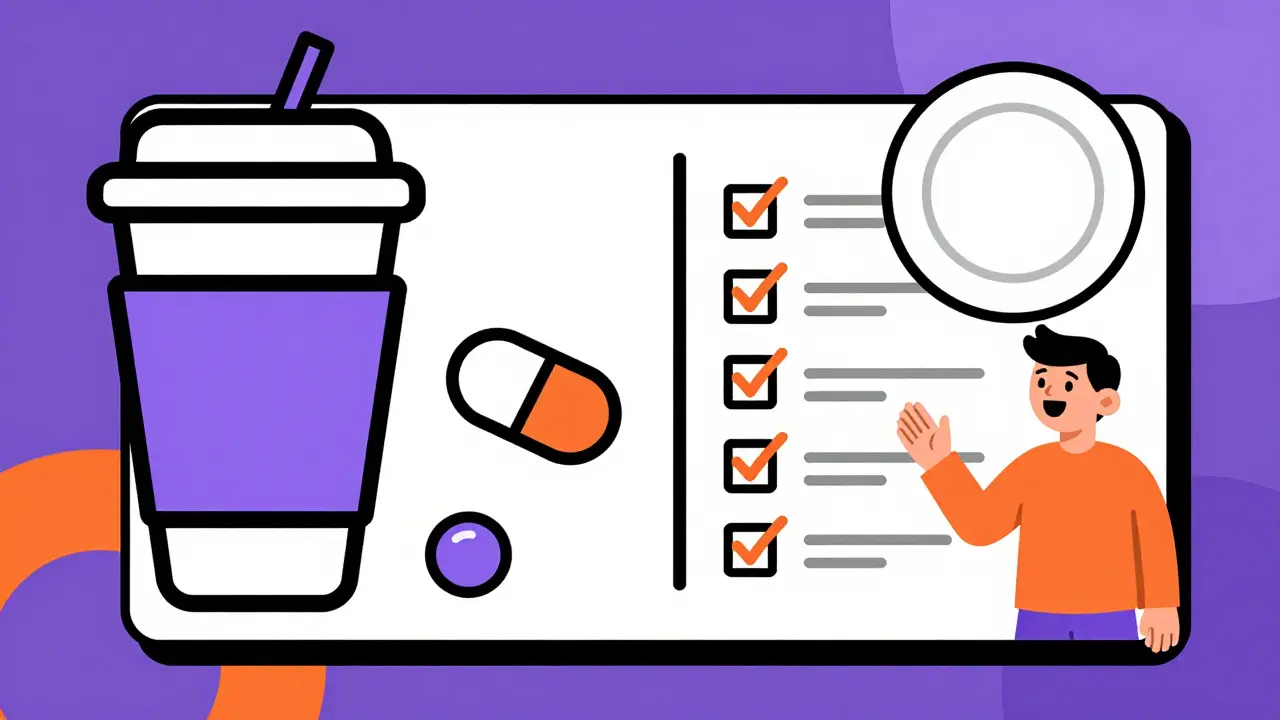
A plan that stays in a desk drawer is useless. To increase medication adherence, you need to make the plan visible and intuitive. Some patients have found success by ditching the text-heavy lists and creating visual charts. For instance, one patient used a picture of a coffee cup for morning meds and a dinner plate for evening meds, which boosted their adherence from 65% to 95%.
You should also include "if-then" scenarios. What happens if you miss a dose? What do you do if you feel a specific side effect? Instead of panicking and calling the emergency room, your MAP should tell you: "If I feel dizzy after the first dose, I will call my pharmacist immediately and take the next dose with food."
Why this actually matters (The Data)
This isn't just about convenience; it's about staying out of the hospital. Research shows that when patients actively help build their own MAPs, adherence rates jump by 25% to 40%. Even more striking, data from the Centers for Medicare & Medicaid Services suggests that patients who get these personalized plans during a review see 32% fewer hospitalizations in the following year.
From a financial perspective, the impact is massive. Analysis shows that every $1 invested in comprehensive medication management can save over $12 in reduced emergency room visits and hospital stays. It is one of the most cost-effective ways to improve long-term health outcomes, especially for those managing three or more chronic conditions.
When to update your plan
Your health isn't static, so your plan shouldn't be either. A MAP is a living document. You should schedule a review of your plan at least quarterly, or immediately when any of the following happen:
- You are prescribed a new medication.
- A doctor changes the dosage of an existing drug.
- You experience a new or worsening side effect.
- You transition from one care setting to another (e.g., leaving the hospital to go home).
Who is eligible for a Medication Action Plan?
While anyone can create one, they are standard for people with multiple chronic conditions. In the U.S., Medicare Part D beneficiaries taking five or more chronic medications are often eligible for formal MTM services that include these plans.
Is a MAP the same as a medication list?
No. A medication list is a record of what you take. A Medication Action Plan is a strategic guide that includes specific steps to overcome barriers, goals for adherence, and instructions for managing side effects.
What if my doctor doesn't mention an action plan?
You can initiate the process. Ask your pharmacist if they offer Medication Therapy Management (MTM) services or a Comprehensive Medication Review. Most pharmacists are trained to help you build this document.
Can I use an app instead of a paper plan?
Yes. Many pharmacy chains now offer apps that integrate your MAP with digital reminders. However, it's always a good idea to have a physical copy for emergencies or for when you're visiting a new doctor.
How do I handle medications from different doctors?
This is exactly why a MAP is useful. By using a single pharmacist as the "hub" for your plan, they can reconcile medications from multiple specialists to ensure there are no conflicting prescriptions or dangerous interactions.