Antidepressant Supplements: What Works, What Doesn't, and What to Watch For
When people look for antidepressant supplements, natural products used to support mood and ease symptoms of depression. Also known as natural mood support, these are not replacements for prescribed antidepressants—but many use them alongside treatment to feel more in control of their mental health. The truth is, some of these supplements have real, measurable effects. Others? They’re just expensive candy with a wellness label.
Take St. John’s Wort, a herbal remedy studied for mild to moderate depression. It’s one of the few supplements with decent clinical backing—some trials show it works as well as low-dose SSRIs for certain people. But here’s the catch: it can mess with your prescription meds. If you’re on anything from birth control to blood thinners, this herb can turn safe drugs into risky ones. Then there’s omega-3 fatty acids, fats found in fish oil that influence brain chemistry. Research links higher omega-3 intake to lower depression risk, especially in people with low levels. It’s not a magic pill, but it’s one of the few supplements with consistent data behind it. And don’t forget vitamin D, a hormone precursor tied to brain function and mood regulation. Low vitamin D is common in people with depression, and fixing a deficiency can make a real difference—especially in winter months or if you rarely go outside.
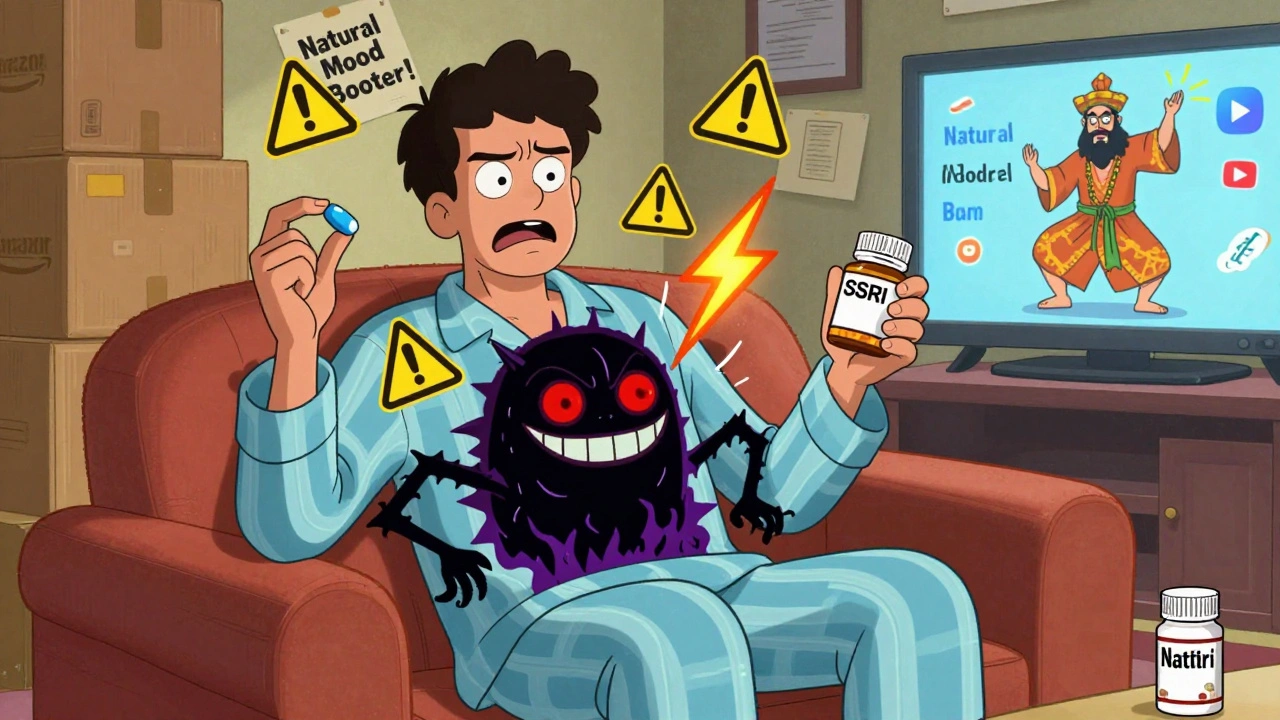
But not all supplements are created equal. Many products labeled as "natural antidepressants" contain little to no active ingredient, or worse—they’re contaminated with hidden drugs. The FDA has pulled dozens of these off shelves because they included hidden antidepressants or stimulants. And if you’re already taking something like vortioxetine or another prescription antidepressant, adding a supplement without checking with your doctor can cause serotonin syndrome—a rare but dangerous condition. That’s why knowing what’s in your bottle matters more than how shiny the label is.
What you’ll find in the posts below are real, no-fluff breakdowns of what actually works, what’s risky, and how these supplements interact with common medications. You’ll see how melatonin, a sleep hormone often used to reset circadian rhythms can help with depression-related sleep issues but shouldn’t be mixed with sedatives. You’ll learn why some people feel worse after switching to generics—not because the drug changed, but because their brain expected it to. And you’ll get straight answers on whether things like 5-HTP, SAM-e, or zinc actually move the needle—or just empty your wallet.
This isn’t about chasing quick fixes. It’s about understanding what’s science, what’s speculation, and what’s outright dangerous. If you’re using supplements to feel better, you deserve clear, honest info—not marketing hype. The posts below give you exactly that: no sugarcoating, no jargon, just what you need to know to make smarter choices about your mental health.