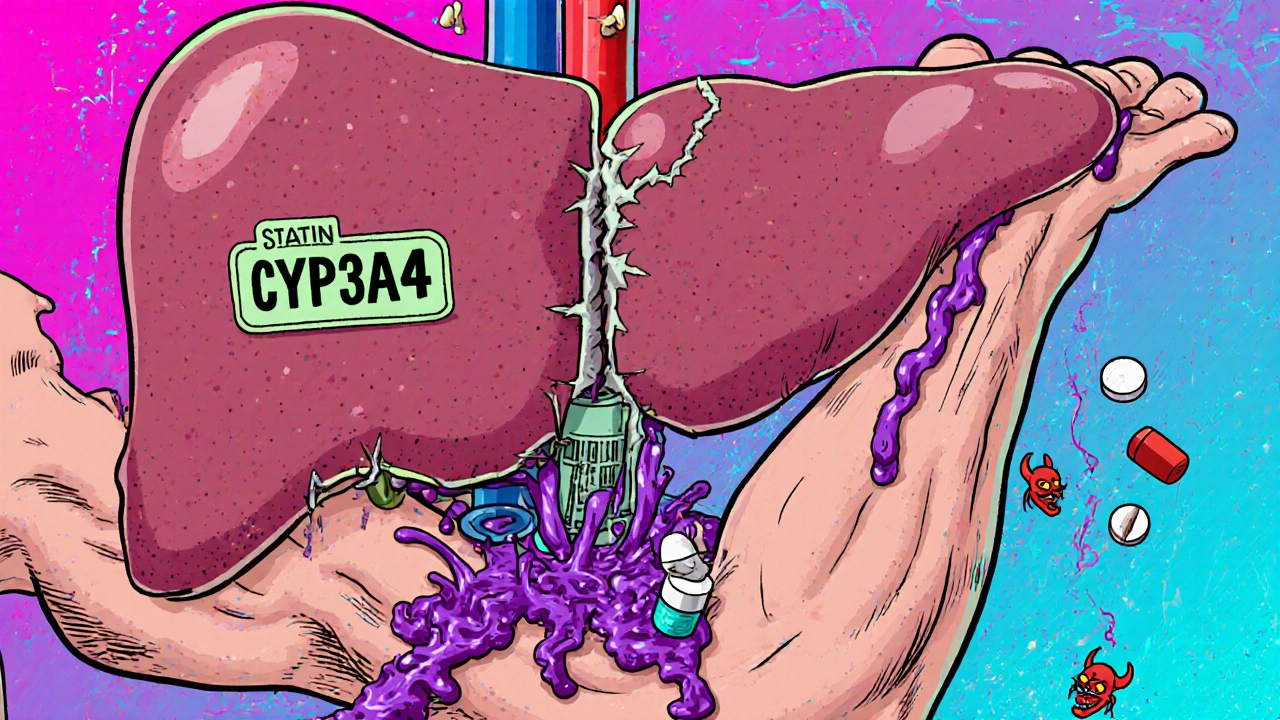
Immunosuppressants: What They Are, How They Work, and What You Need to Know
When your body’s immune system turns against itself or a transplanted organ, immunosuppressants, drugs that reduce the activity of the immune system to prevent damage. Also known as anti-rejection drugs, they’re life-saving for people with transplanted kidneys, hearts, or livers—and for those fighting conditions like lupus, rheumatoid arthritis, or Crohn’s disease. These aren’t painkillers or antibiotics. They don’t cure anything. They just quiet down the immune system so it doesn’t attack what it’s supposed to protect.
That’s where things get tricky. organ transplant, the surgical replacement of a failing organ with a healthy one from a donor only works if the body doesn’t reject it. Without immunosuppressants, rejection happens fast—sometimes in days. But take them long-term, and your body becomes vulnerable. Infections that used to be mild—like the flu or a simple skin cut—can turn dangerous. You’re also at higher risk for certain cancers, especially skin cancer. That’s why people on these drugs need regular checkups, sun protection, and careful monitoring.
autoimmune disease, a condition where the immune system mistakenly attacks healthy tissues in the body is another major reason these drugs are used. In rheumatoid arthritis, for example, the immune system attacks the joints. In multiple sclerosis, it attacks nerve coverings. Immunosuppressants slow that damage, but they don’t fix the root problem. That’s why many patients stay on them for years, even decades. And because side effects like high blood pressure, kidney trouble, or trembling hands can build up over time, doctors often tweak doses or switch meds to find the right balance.
It’s not just about the drug itself—it’s about how you take it. Missing a dose can trigger rejection or a flare-up. Taking too much can leave you wide open to infection. That’s why medication adherence, the act of taking medications exactly as prescribed is everything. Pill organizers, phone alarms, and pharmacy check-ins aren’t just helpful—they’re necessary. And while some people worry about generics, studies show they work just as well as brand names for most immunosuppressants. The real issue isn’t the label—it’s consistency.
What you’ll find in these articles are real stories and clear facts about how immunosuppressants affect daily life. From how they interact with other meds to why some people feel worse after switching brands, the posts here cut through the noise. You’ll see how pharmacists help patients stay on track, how older adults manage multiple drugs safely, and why side effects like nausea or fatigue aren’t always just "normal." This isn’t theory. It’s what people live with every day.