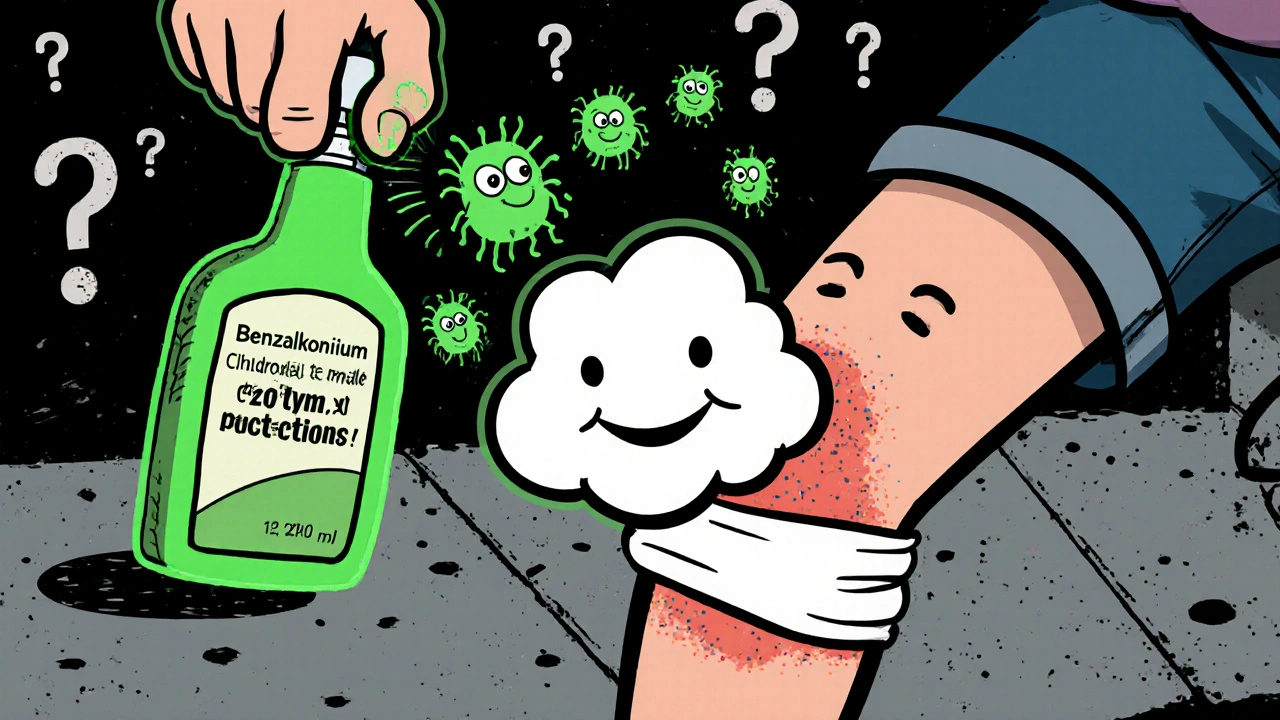
Minor Cuts Treatment: Simple Care, Faster Healing
When you get a minor cut, a small break in the skin that bleeds slightly but doesn’t require stitches. Also known as superficial laceration, it’s one of the most common injuries—happening while cooking, gardening, or even opening a box. Most don’t need a doctor, but how you handle it makes all the difference between a quick heal and a messy infection.
Antiseptic, a substance that kills or slows germs on the skin is your first line of defense. Plain soap and water work better than harsh chemicals like hydrogen peroxide, which can damage tissue and slow healing. Rinse the cut under running water for at least 30 seconds, then gently pat it dry. Skip the alcohol—it stings, doesn’t speed up recovery, and can irritate the wound. After cleaning, apply a thin layer of antibiotic ointment, a topical cream that reduces bacteria and keeps the area moist. This isn’t always necessary, but it helps if the cut is dirty or you’re unsure about tetanus protection.
Bandages, protective coverings that shield wounds from dirt and friction are next. A simple adhesive bandage works for small cuts. For larger ones, use sterile gauze and medical tape. Change the bandage daily—or sooner if it gets wet or dirty. Moisture helps healing, but too much can soften the skin and invite bacteria. Don’t let the cut air out unless it’s fully scabbed over. Keeping it covered is safer, especially if you’re active or around pets, kids, or dusty environments.
Watch for signs of trouble: redness that spreads, swelling, pus, warmth around the cut, or pain that gets worse after a day or two. These aren’t normal. They mean infection is setting in. If you have diabetes, poor circulation, or a weakened immune system, even a tiny cut can turn serious fast. Don’t wait—get it checked. And if you haven’t had a tetanus shot in the last 10 years, talk to a pharmacist. Tetanus spores live in dirt, rust, and animal waste. A clean cut from a kitchen knife can still carry risk.
What you’ll find below are real, practical guides on how to handle these everyday injuries right. From the best ways to clean a cut without overdoing it, to why some bandages work better than others, to what to do when a wound won’t stop oozing. You’ll also learn how over-the-counter products can help—or hurt—your healing. No fluff. No hype. Just what works, based on what people actually deal with every day.