Rhodiola Side Effects: What You Need to Know Before Taking It
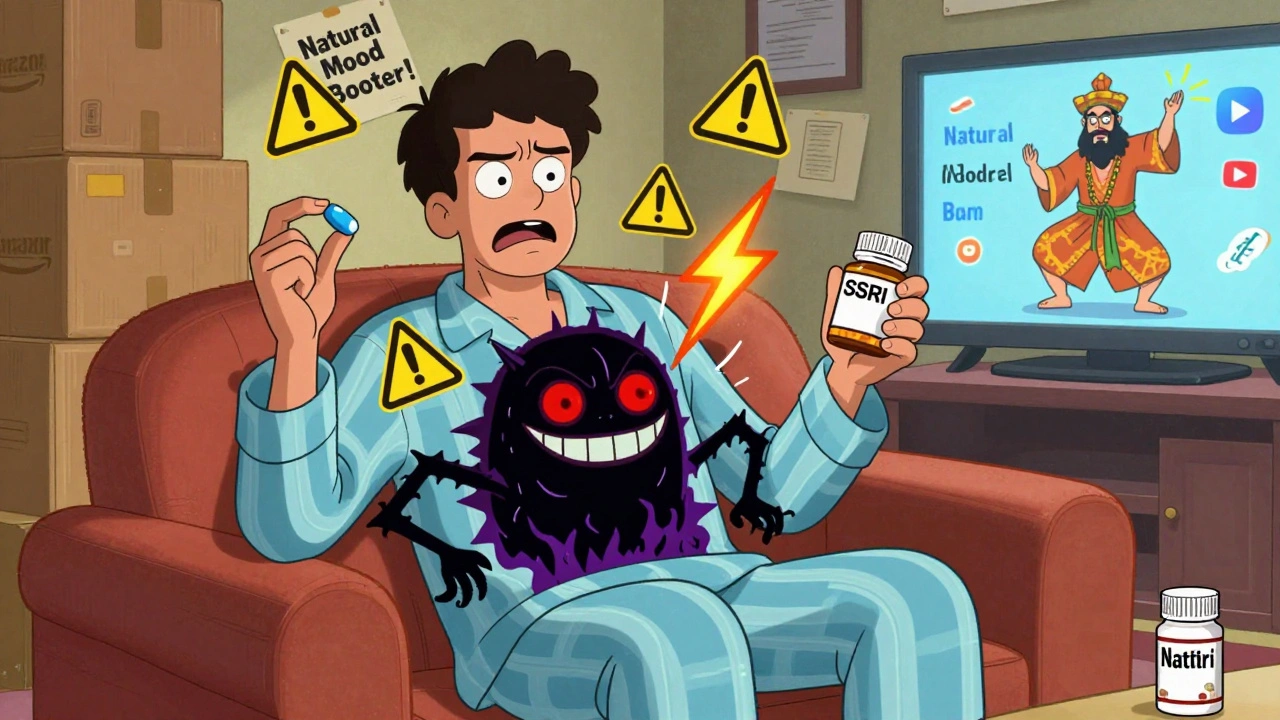
When people turn to Rhodiola, a natural herb used for energy, stress, and mental focus. Also known as Rhodiola rosea, it's one of the most popular adaptogens on the market—used by athletes, busy parents, and people fighting burnout. But just because it’s herbal doesn’t mean it’s harmless. Like any substance that affects your body’s chemistry, Rhodiola can cause side effects, especially if you’re taking other meds or have certain health conditions.
Most people tolerate Rhodiola well, but common side effects include dizziness, dry mouth, irritability, and trouble falling asleep—especially if taken late in the day. Some users report increased heart rate or blood pressure, which can be risky if you already have heart issues or are on blood pressure meds. It’s also not something you should mix with antidepressants, stimulants, or diabetes drugs without checking with your doctor. The herb works by influencing serotonin, dopamine, and cortisol levels, so it can interfere with how your body handles other chemicals. That’s why it’s not just about the dose—it’s about what else you’re taking.
People with bipolar disorder should avoid Rhodiola entirely. There are reports of it triggering manic episodes. Pregnant or breastfeeding women shouldn’t use it either—there just isn’t enough safety data. And if you’re already on medication for anxiety, depression, or thyroid problems, Rhodiola might make things worse instead of better. It’s not a magic pill. It’s a powerful plant compound that interacts with your nervous system, and that’s why understanding its side effects matters more than how many stars it got on Amazon.
What you’ll find below are real, practical posts that dig into how Rhodiola fits into the bigger picture of medication safety, supplement interactions, and how herbal products can quietly affect your health. From how it compares to other adaptogens to what happens when you combine it with sleep aids or heart meds—these articles give you the facts, not the hype.