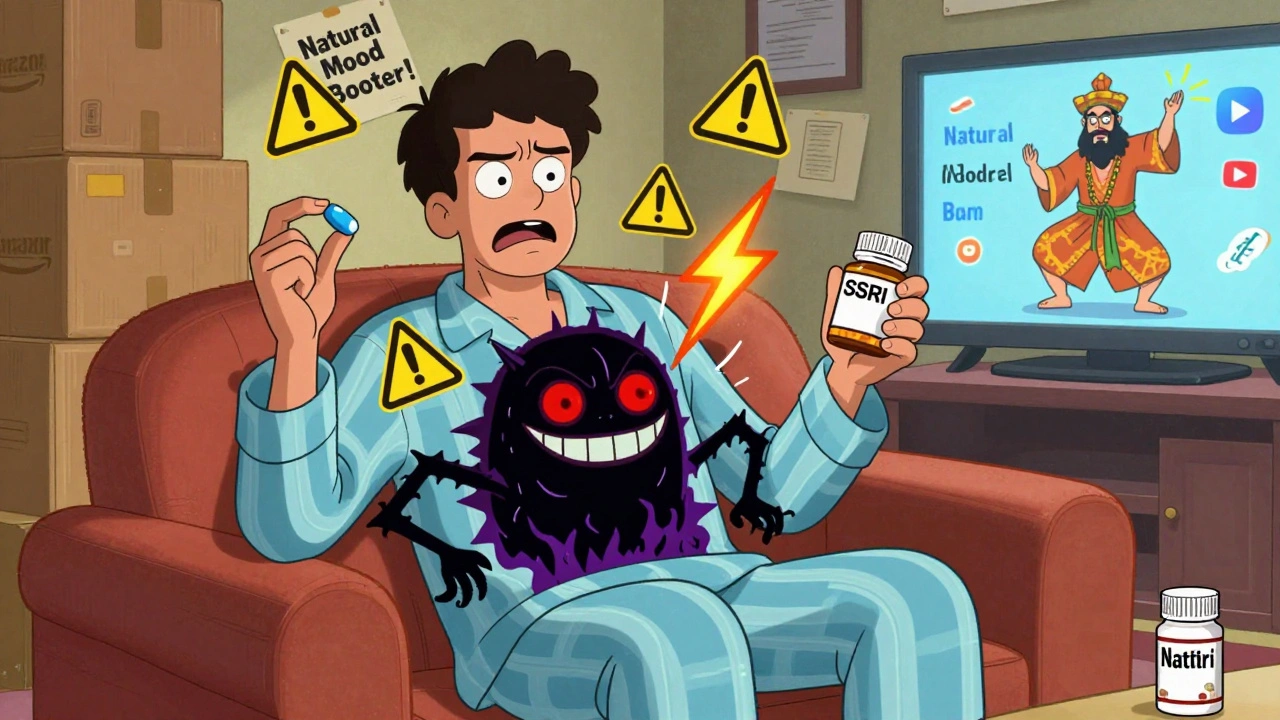
Serotonin Syndrome: Causes, Risks, and What You Need to Know
When your body gets too much serotonin, a natural chemical that helps regulate mood, sleep, and digestion. Also known as serotonin toxicity, it’s not just a side effect—it’s a medical emergency that can turn dangerous in hours. This isn’t something that happens from taking one extra pill. It usually starts when two or more drugs boost serotonin at the same time. Think of it like turning up the volume on a speaker until it cracks—your brain and body can’t handle the overload.
Common culprits include antidepressants, medications like SSRIs and SNRIs used to treat depression and anxiety, combined with things like triptans, drugs for migraines that also affect serotonin, or even over-the-counter cough syrups with dextromethorphan. Even melatonin or St. John’s wort can push you over the edge if you’re already on another serotonin-boosting drug. It’s not rare—hospitals see cases every month, especially in older adults on multiple prescriptions. The risk goes up fast if you’ve just started a new med or increased the dose.
What does it feel like? Mild cases might just give you shakiness, sweating, or a racing heart. But severe cases? High fever, muscle stiffness, confusion, seizures, or even loss of consciousness. If you’re on antidepressants and suddenly feel worse after adding something new, don’t wait. This isn’t a "maybe it’s just stress" situation. Timing matters—symptoms often show up within hours, sometimes minutes. Doctors use specific criteria to spot it, and stopping the wrong meds fast can save your life.
What you’ll find in the posts below are real-world stories and science-backed insights on how medications interact, why some people are more at risk, and how to avoid dangerous combinations. You’ll see how serotonin syndrome ties into polypharmacy in seniors, why generic substitutions can sometimes hide risks, and how pharmacists catch these issues before they become emergencies. These aren’t theory pieces—they’re practical checks you can use to protect yourself or someone you care about.