Systemic Antifungals: What They Are, How They Work, and What You Need to Know
When a fungal infection goes deep—past the skin and into your bloodstream, lungs, or organs—you need more than a cream. That’s where systemic antifungals, oral or intravenous medications designed to kill fungi throughout the body. Also known as oral antifungals, these drugs are the only way to treat infections like invasive candidiasis, aspergillosis, or systemic fungal meningitis. Unlike topical treatments, systemic antifungals travel through your blood to reach hidden fungi, making them essential for serious, life-threatening cases.
These medications aren’t all the same. fluconazole, a common oral antifungal used for yeast infections and candidemia works well for many fungal types but can struggle with resistant strains. voriconazole, a broader-spectrum option often used for aspergillosis is stronger but comes with more side effects like vision changes and liver stress. Then there’s amphotericin B, a powerful but harsh IV drug reserved for the most severe cases, known for kidney toxicity and intense flu-like symptoms. Each has its place, and choosing the right one depends on the infection type, your health, and past reactions.
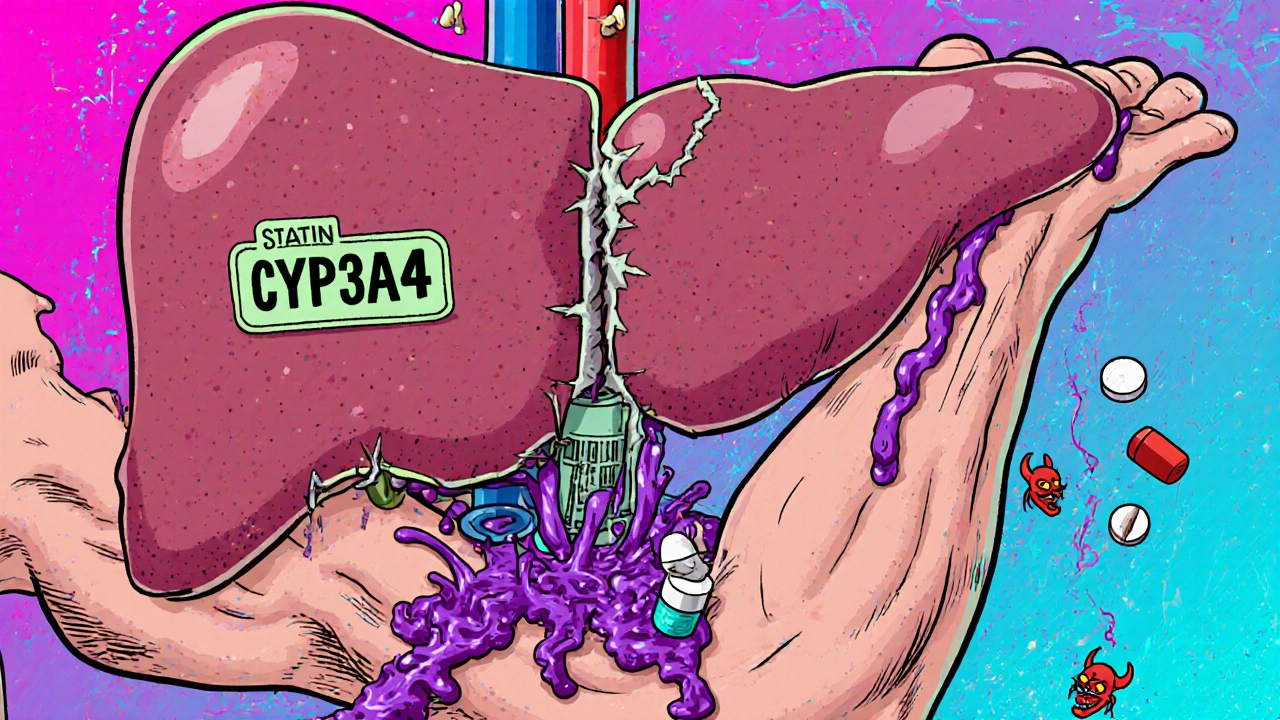
Systemic antifungals don’t just fight fungi—they can affect your liver, kidneys, and even other meds you’re taking. If you’re on blood thinners, seizure drugs, or statins, interactions can be dangerous. That’s why these aren’t OTC. They require a doctor’s watchful eye. Many patients report nausea, headaches, or fatigue at first, but these often fade. Still, some side effects, like long-term liver damage or nerve issues, need monitoring. It’s not just about killing the fungus—it’s about doing it without wrecking your body in the process.
What you’ll find in the posts below isn’t just a list of drugs. It’s real-world insight from people who’ve used these treatments, doctors who manage them, and studies that show what actually works. You’ll see how antifungals connect to broader issues—like medication adherence, cost barriers, and how side effects like nausea or liver stress can derail treatment. Some posts even tie into how generic versions affect outcomes, or how older adults handle these drugs differently. This isn’t theory. It’s what happens when you take a systemic antifungal and live with the consequences—good and bad.