Weight Loss Drugs: What Works, What Risks, and What You Need to Know
When people talk about weight loss drugs, prescription medications designed to help people lose weight by affecting appetite, metabolism, or fat absorption. Also known as obesity medications, they’re not shortcuts—they’re tools meant for people with obesity or weight-related health issues, used alongside diet and exercise. These aren’t the same as over-the-counter supplements that promise quick results. Real weight loss drugs are FDA-approved, studied in clinical trials, and prescribed by doctors after evaluating your health history.
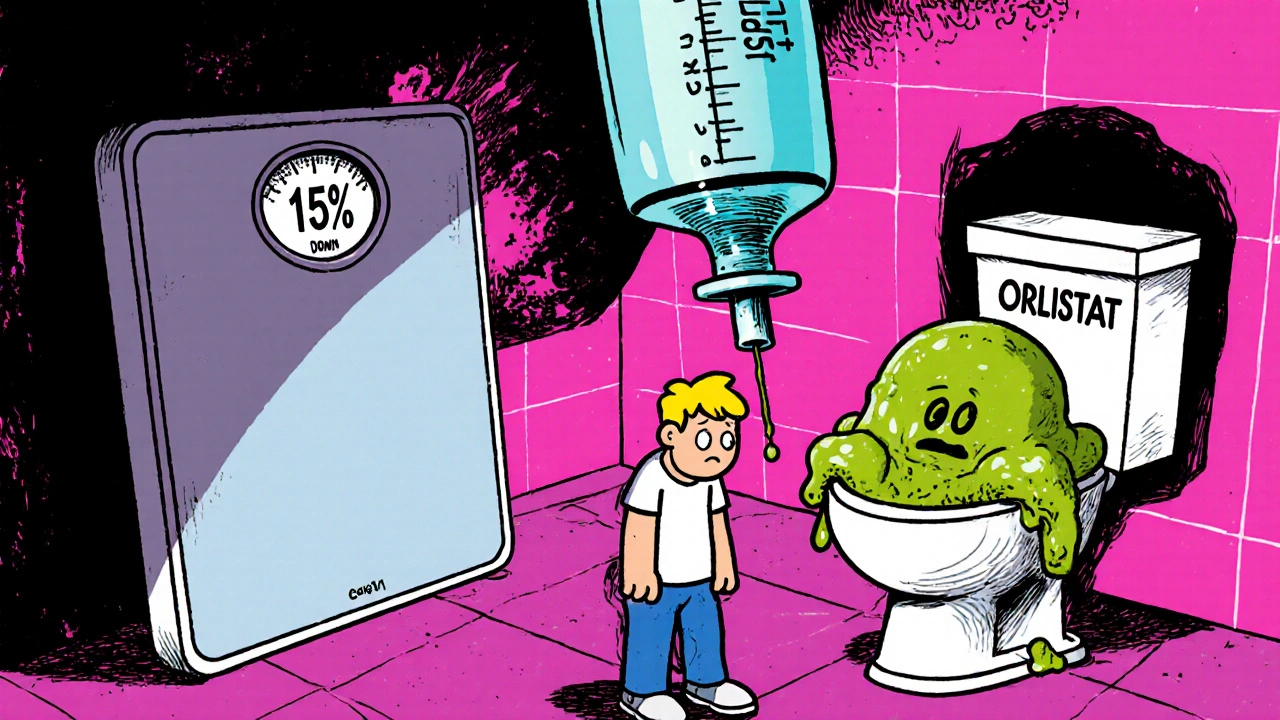
Some of these drugs work by making you feel full faster, like semaglutide and liraglutide, which mimic gut hormones that signal fullness. Others, like phentermine, reduce appetite by affecting brain chemicals. Then there are drugs like orlistat that block fat absorption in your intestines. Each has a different mechanism, and none work the same for everyone. What’s important is knowing which ones are backed by science, not marketing. The FDA has approved only a handful for long-term use, and even those come with risks—like nausea, increased heart rate, or rare but serious side effects like pancreatitis or gallbladder disease. And they don’t work in isolation. If you stop taking them, weight often comes back unless your eating and activity habits change too.
Another big concern is drug interactions, how weight loss medications can react dangerously with other medicines you’re already taking. For example, some weight loss drugs can raise blood pressure or interfere with heart medications. If you’re on antidepressants, thyroid meds, or diabetes drugs, mixing them without medical oversight can be risky. That’s why a doctor’s evaluation is non-negotiable. Even if you find a drug that works, monitoring is key—blood tests, heart checks, and tracking side effects aren’t optional. Many people don’t realize that what looks like a simple pill can have ripple effects across your whole system.
There’s also a growing gap between what’s advertised and what’s safe. Online sellers push unapproved versions of popular drugs, sometimes laced with hidden stimulants or contaminants. The FDA has issued warnings about these products, but they’re still easy to find. Real weight loss drugs require a prescription, and they’re dispensed through licensed pharmacies—not shady websites. If something sounds too good to be true, it usually is.
What you’ll find in the articles below isn’t hype. It’s real talk about how these drugs actually behave in the body, how they interact with other medications, and what kind of monitoring they require. You’ll see how side effects show up over time, how generics compare to brand names, and why some people respond better than others. These aren’t theoretical discussions—they’re based on clinical patterns, patient data, and pharmacy practices. Whether you’re considering a weight loss drug, already taking one, or just trying to understand the risks, this collection gives you the facts without the fluff.