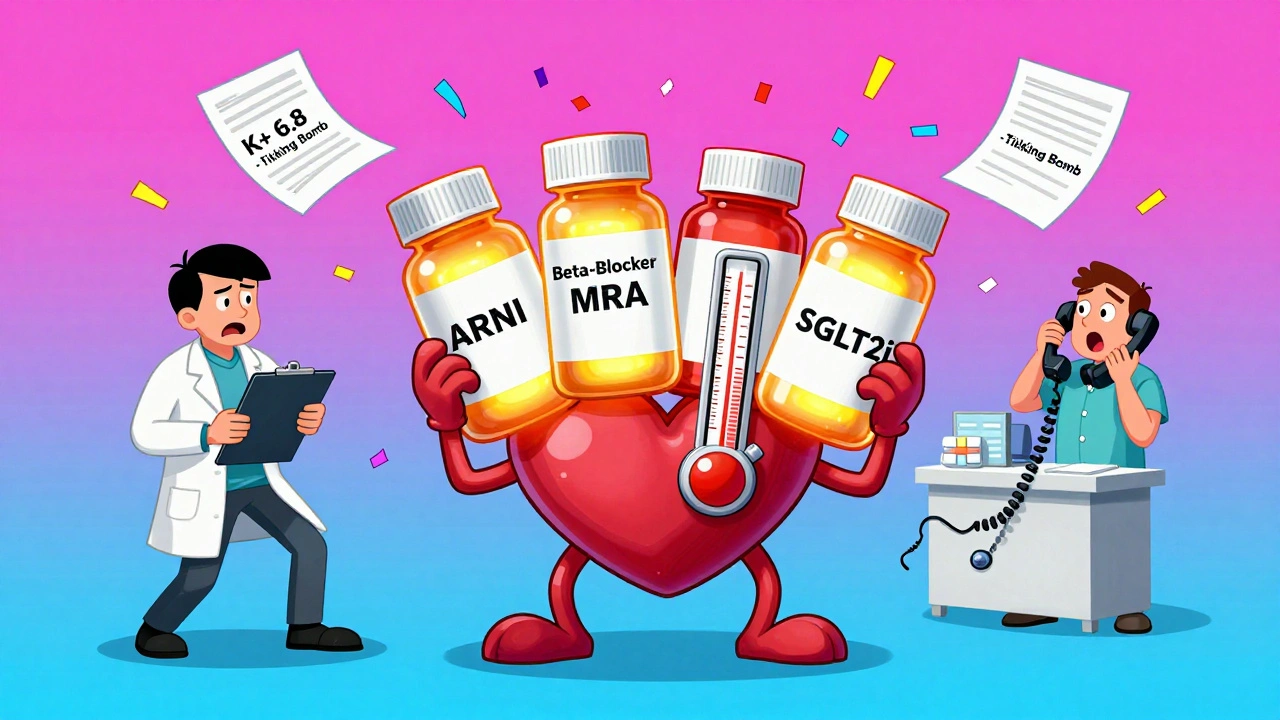
Beta-Blockers: What They Are, How They Work, and What You Need to Know
When your heart races too fast or your blood pressure stays too high, beta-blockers, a class of medications that slow heart rate and reduce blood pressure by blocking adrenaline. Also known as beta-adrenergic blocking agents, they’re one of the most common treatments for heart conditions and are used by millions every day. They don’t cure anything—they help your body cope. Think of them like a volume knob for your nervous system: turn it down, and your heart doesn’t have to work so hard.
These drugs are often prescribed for high blood pressure, a condition where force against artery walls is too strong, increasing risk of stroke and heart attack, heart disease, including after a heart attack or for people with heart failure, and even anxiety, especially for physical symptoms like trembling or rapid heartbeat during panic attacks. You’ll see them in names like metoprolol, atenolol, and propranolol. Each works slightly differently—some target the heart more, others affect blood vessels or nerves too.
But they’re not magic. Side effects like fatigue, cold hands, or dizziness are common, especially at first. Some people feel sluggish or notice their pulse dropping too low. Others struggle with sleep or depression. That’s why dosing matters. A low dose might help with tremors; a higher one might be needed after a heart attack. And they’re not for everyone—people with asthma or certain types of slow heart rhythms need to be careful.
What’s interesting is how these drugs connect to other health topics you might be reading about. For example, if you’re managing heart disease, you might also be on blood thinners like prasugrel or statins—drugs that can interact. If you’re older and taking multiple pills, geriatric polypharmacy, the use of multiple medications in older adults, which increases risk of harmful interactions and side effects, becomes a real concern. That’s why pharmacists often review your full list to cut unnecessary drugs. And if you’re switching from brand to generic beta-blockers, you might hear about the nocebo effect, when negative expectations cause real symptoms, even if the generic drug is chemically identical. People swear they feel worse on generics—even when studies show no difference.
Timing matters too. Some side effects show up in hours, others take weeks. If you start feeling dizzy after a new prescription, it might not be the drug—it could be something else you added, like melatonin or a cold medicine. That’s why understanding drug interactions, how medications affect each other in your body, often through liver enzymes is just as important as knowing the drug itself.
Below, you’ll find real-world advice from people who’ve been there: how to handle side effects, when to call your doctor, how to avoid dangerous mixes with other meds, and what alternatives exist if beta-blockers just don’t work for you. No fluff. Just what you need to know to stay safe and in control.