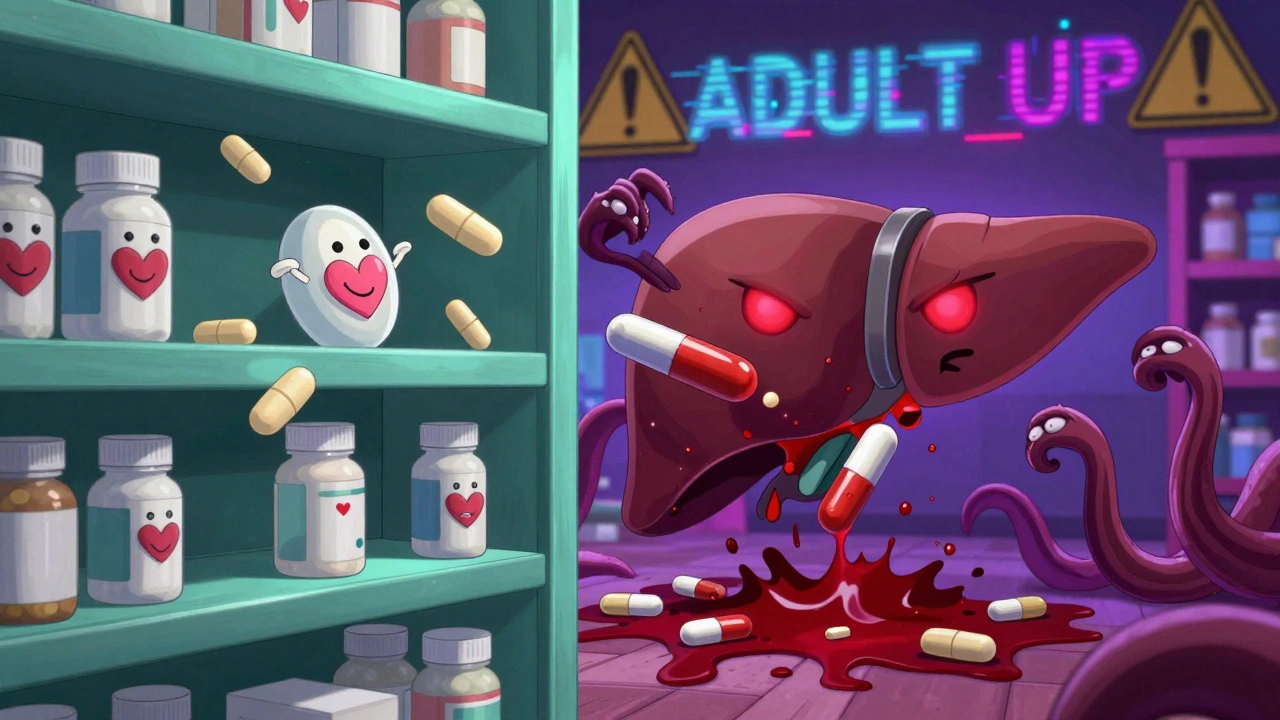
CYP3A4 Interaction: How Common Medications Clash and What to Do About It
When your body breaks down meds, one enzyme does most of the heavy lifting: CYP3A4, a liver enzyme responsible for metabolizing over half of all prescription drugs. Also known as cytochrome P450 3A4, it’s the gatekeeper that decides how fast or slow your body processes everything from blood thinners to cholesterol drugs. If something slows down or blocks CYP3A4, those drugs build up in your system—and that’s when trouble starts.
That’s why CYP3A4 inhibitors, substances that shut down this enzyme’s activity are such a big deal. Common ones include grapefruit juice, certain antifungals like ketoconazole, and even some herbal supplements. When these mix with drugs that rely on CYP3A4 to break down—like statins, immunosuppressants, or even some heart meds—the result isn’t just stronger effects. It’s muscle damage, kidney failure, or worse. Take statins, cholesterol-lowering drugs like simvastatin and atorvastatin. Combine them with a strong CYP3A4 inhibitor, and your risk of rhabdomyolysis—a condition that melts muscle tissue—goes way up. That’s not theory. It’s why doctors now check your full med list before prescribing.
You don’t need a pharmacy degree to spot the red flags. If you’re on a statin and your doctor adds an antifungal for a yeast infection, ask: "Will this change how my other meds work?" Same if you start taking Rhodiola, melatonin, or even a new OTC painkiller. Many people don’t realize supplements can be just as risky as prescriptions. The CYP3A4 interaction isn’t rare—it’s everywhere. It’s why a simple switch from one generic to another can cause problems if the new version is processed differently by your liver. And it’s why pharmacists now run automated checks before filling any new script.
What you’ll find below aren’t just scattered articles. They’re real-world stories from people who’ve been caught off guard by these hidden clashes. From how grapefruit juice ruins statin safety, to why melatonin can make sedatives deadly, to how a common antifungal can send someone to the ER—all tied back to this one enzyme. You’ll see how to read your meds like a pro, what questions to ask your pharmacist, and how to avoid the most common mistakes that lead to hospital visits. This isn’t guesswork. It’s what happens when science meets real lives—and how you can stay in control.