Statin Side Effects: What You Need to Know About Muscle Pain, Diabetes Risk, and More
When you take a statin, a class of drugs used to lower cholesterol and reduce heart attack risk. Also known as HMG-CoA reductase inhibitors, they’re among the most prescribed medications in the U.S. for people with high LDL cholesterol or a history of heart disease. But for all their benefits, statin side effects are real—and often misunderstood. Many people stop taking them because of muscle aches, fatigue, or fear of long-term damage. The truth? Most side effects are mild, and serious ones are rare. But knowing what to watch for can make all the difference in sticking with your treatment.
One of the most common complaints is muscle pain, a dull ache or weakness that often starts in the thighs or shoulders. It’s not always the statin—aging, activity levels, and other meds play a role. But if you’re on a systemic antifungal, like itraconazole or ketoconazole, that risk jumps. These drugs slow how your body breaks down statins, letting them build up to dangerous levels. That’s why statin interactions, especially with antifungals or certain antibiotics, need to be checked before you start or switch meds. Another concern is a small but real rise in diabetes risk, particularly in people already prediabetic or overweight. It’s not that statins cause diabetes—they help prevent heart attacks, which kill far more people than diabetes. But if you’re at risk, your doctor should monitor your blood sugar more closely.
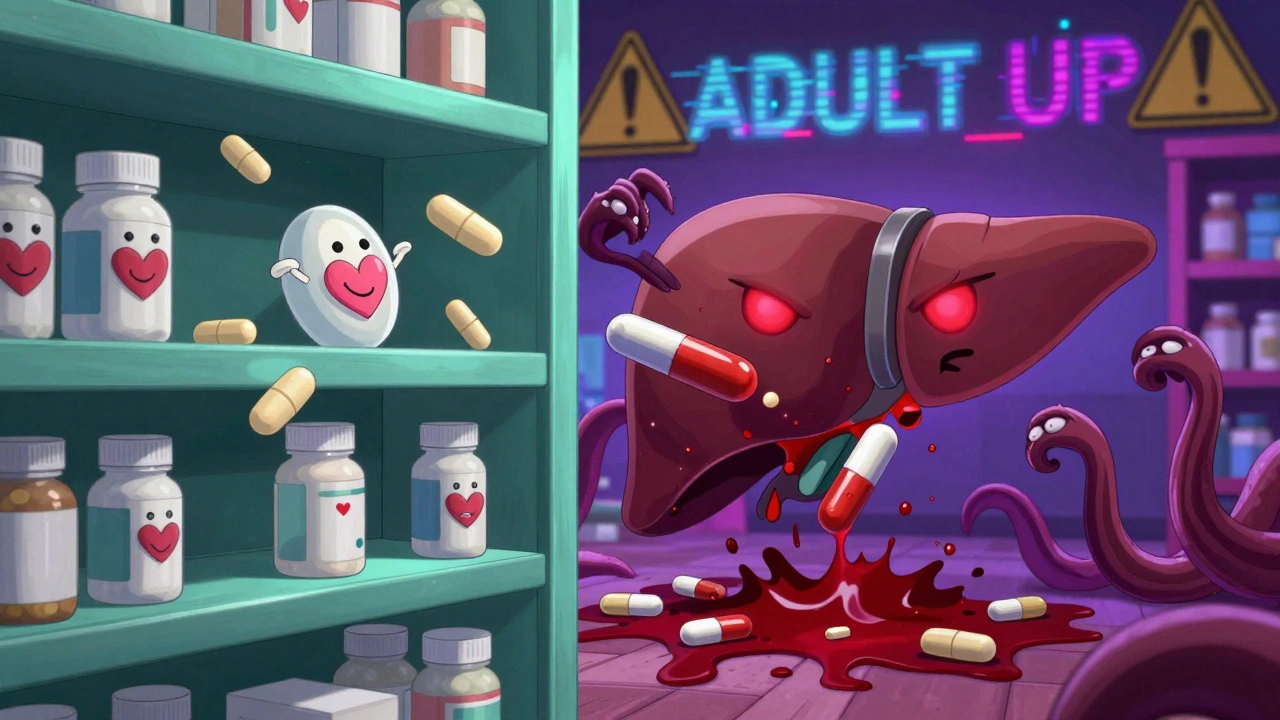
Some side effects, like memory fog or liver enzyme changes, get a lot of attention but are often overblown. Studies show memory issues linked to statins are rare and usually go away when you stop taking them. Liver damage? Extremely uncommon. What’s more likely is that you’re feeling tired because you’re stressed, sleeping poorly, or taking something else that interacts with your statin. The key is to talk to your doctor before quitting. There are different statins—some are gentler on muscles, others work better with certain diets or other meds. And if side effects are real, there are alternatives: ezetimibe, PCSK9 inhibitors, or lifestyle changes that can help lower cholesterol without a statin.
What you’ll find in the posts below are real stories and facts about how statins affect people—what triggers side effects, how to spot dangerous drug interactions, and what to do when the meds feel worse than the problem. You’ll see how antifungals can turn a mild ache into a medical emergency, why some people feel fine on statins for years then suddenly develop symptoms, and how to tell if your fatigue is from the drug or something else. No hype. No fearmongering. Just what works, what doesn’t, and how to keep your heart healthy without losing your quality of life.