Statins and Antifungals: Dangerous Interactions You Need to Know
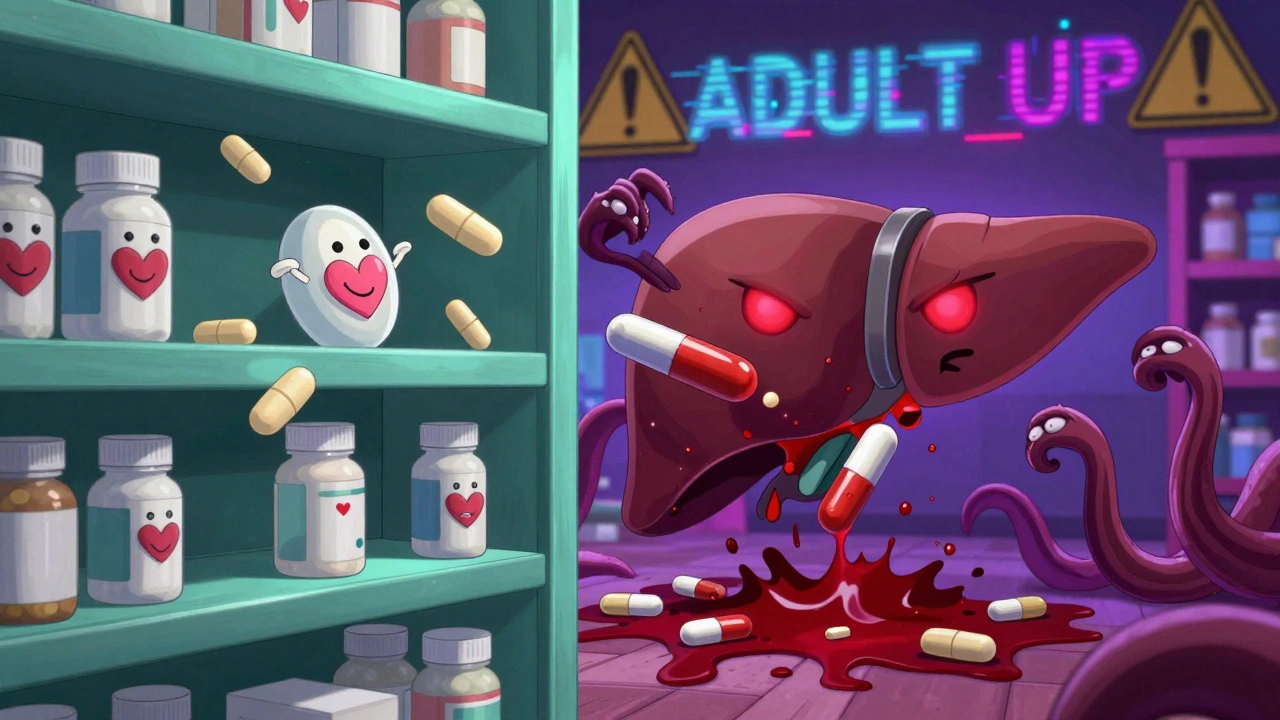
When you take statins, cholesterol-lowering drugs like atorvastatin or simvastatin used to prevent heart attacks and strokes. Also known as HMG-CoA reductase inhibitors, they work by blocking a key enzyme in the liver that makes cholesterol. But when combined with systemic antifungals, oral or IV antifungal drugs like fluconazole or itraconazole used to treat serious fungal infections, things can go wrong fast. These antifungals block an enzyme called CYP3A4, which your body uses to break down statins. When that enzyme slows down, statin levels in your blood spike—sometimes to dangerous levels.
This isn’t theoretical. Real patients have ended up in the hospital with rhabdomyolysis—a condition where muscle tissue breaks down and floods the kidneys with toxic proteins. The risk isn’t the same for all statins. Simvastatin and lovastatin are the most vulnerable. Atorvastatin carries some risk. Rosuvastatin and pravastatin are safer, but still not risk-free when mixed with strong CYP3A4 inhibitors like ketoconazole. Even over-the-counter antifungals like fluconazole for yeast infections can cause this if taken long-term or at high doses. People on multiple meds—especially older adults—are at higher risk because their bodies handle drugs differently. If you’re on a statin and your doctor prescribes an antifungal, ask: "Is this the safest option?" or "Can we switch to something that won’t interfere?"
The same enzyme problem shows up with other drugs too. Immunosuppressants like cyclosporine, some antibiotics, and even grapefruit juice can do the same thing. That’s why polypharmacy in elderly patients is so risky—each added drug increases the chance of a hidden interaction. Pharmacists use tools like the FDA’s Orange Book and drug interaction checkers to spot these before they hurt someone. But you’re your own best defense. Keep a list of every pill, supplement, and cream you use. Bring it to every appointment. If you start a new antifungal and feel unexplained muscle pain, weakness, or dark urine, stop the medication and call your doctor immediately. These aren’t side effects you ignore.
Below, you’ll find real-world advice from posts that dig into exactly these kinds of medication clashes. You’ll learn how to spot dangerous combos, what alternatives exist, and how to talk to your pharmacist about safety without sounding paranoid. These aren’t just theory—they’re stories from people who’ve been there, and the steps they took to get back on track.