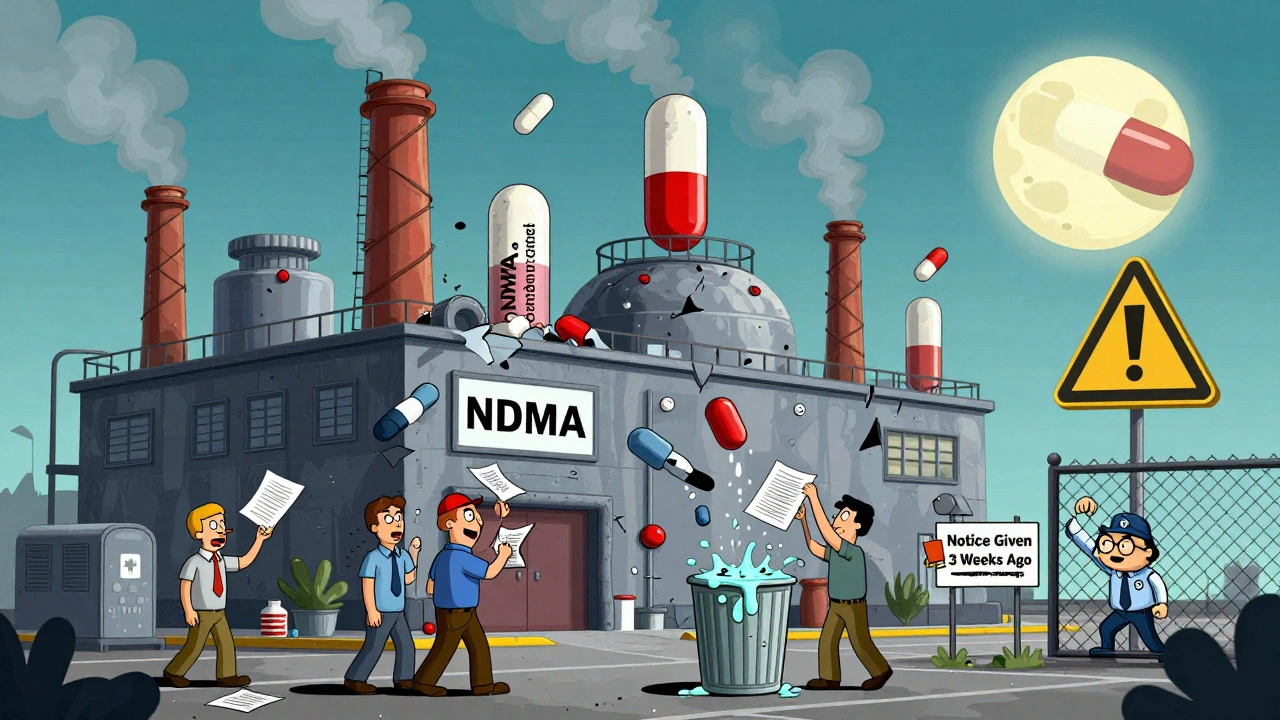
Generic drug quality issues stem from manufacturing flaws in overseas plants, leading to unsafe impurities, inconsistent dosing, and dangerous recalls. Learn what's going wrong-and how to protect yourself.
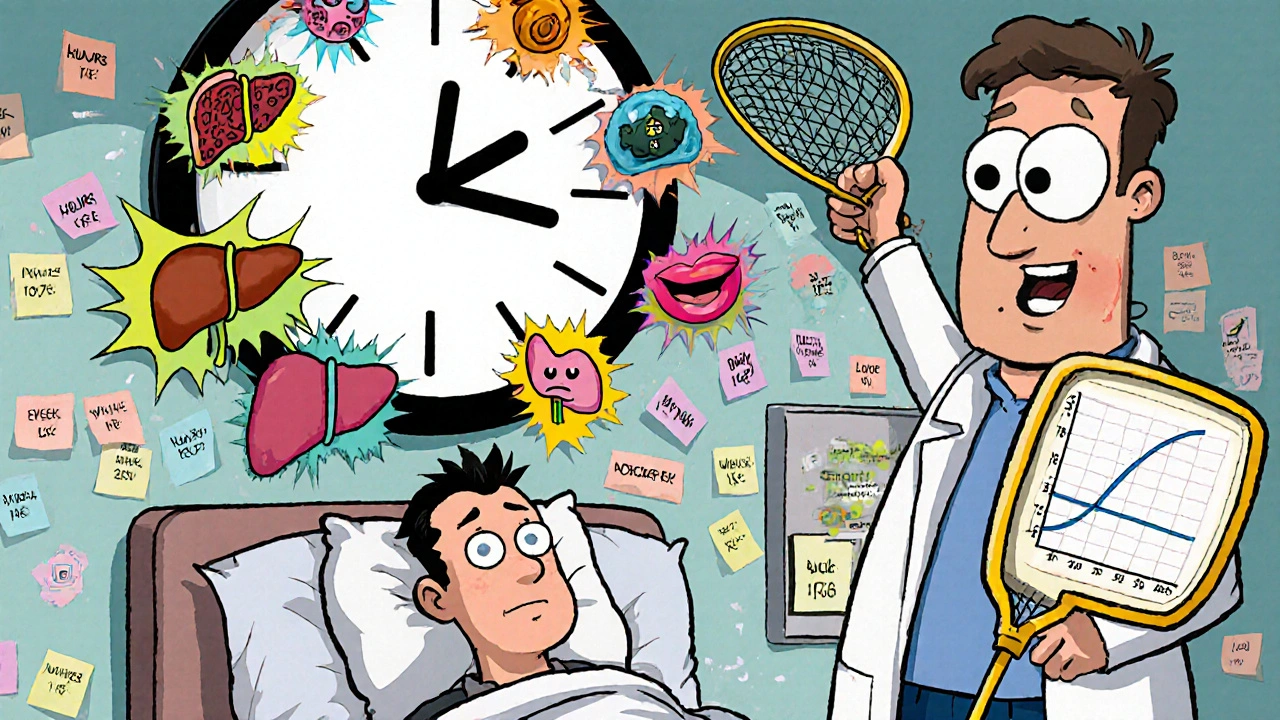
Learn when common side effects from different drug classes typically appear-from hours to months after starting medication-and how timing helps doctors distinguish true reactions from coincidences.
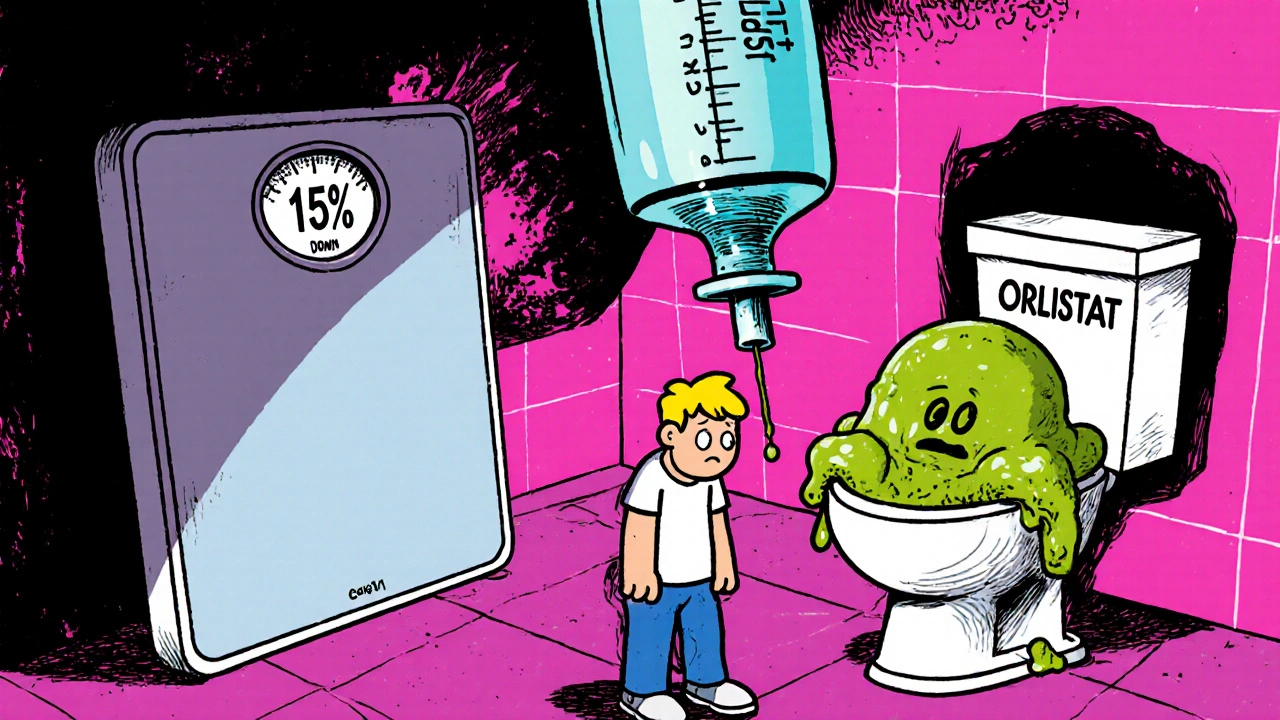
GLP-1 agonists like Wegovy and Zepbound offer far greater weight loss than older drugs like orlistat or Qsymia, but they're more expensive and require injections. Learn how they compare, who benefits most, and what to expect in real life.
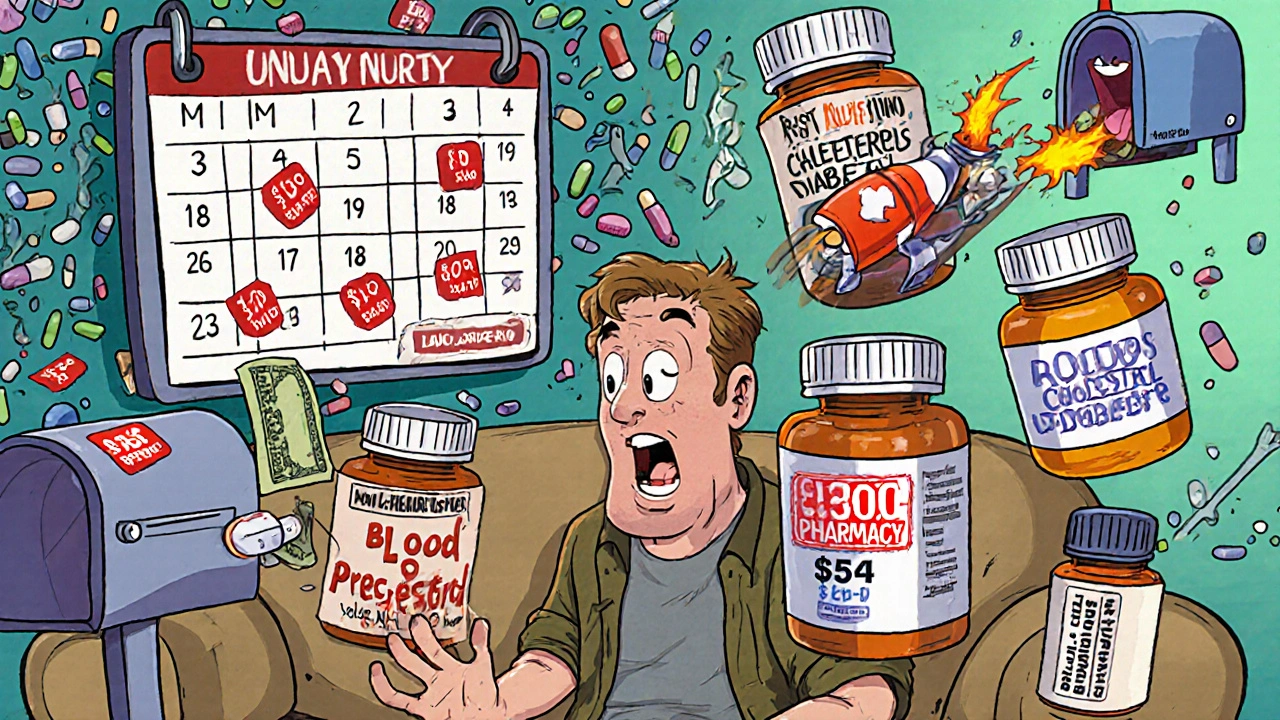
Learn how to split your prescriptions between mail-order and local pharmacies to save hundreds annually on maintenance meds. Simple, proven strategies that work in 2025.
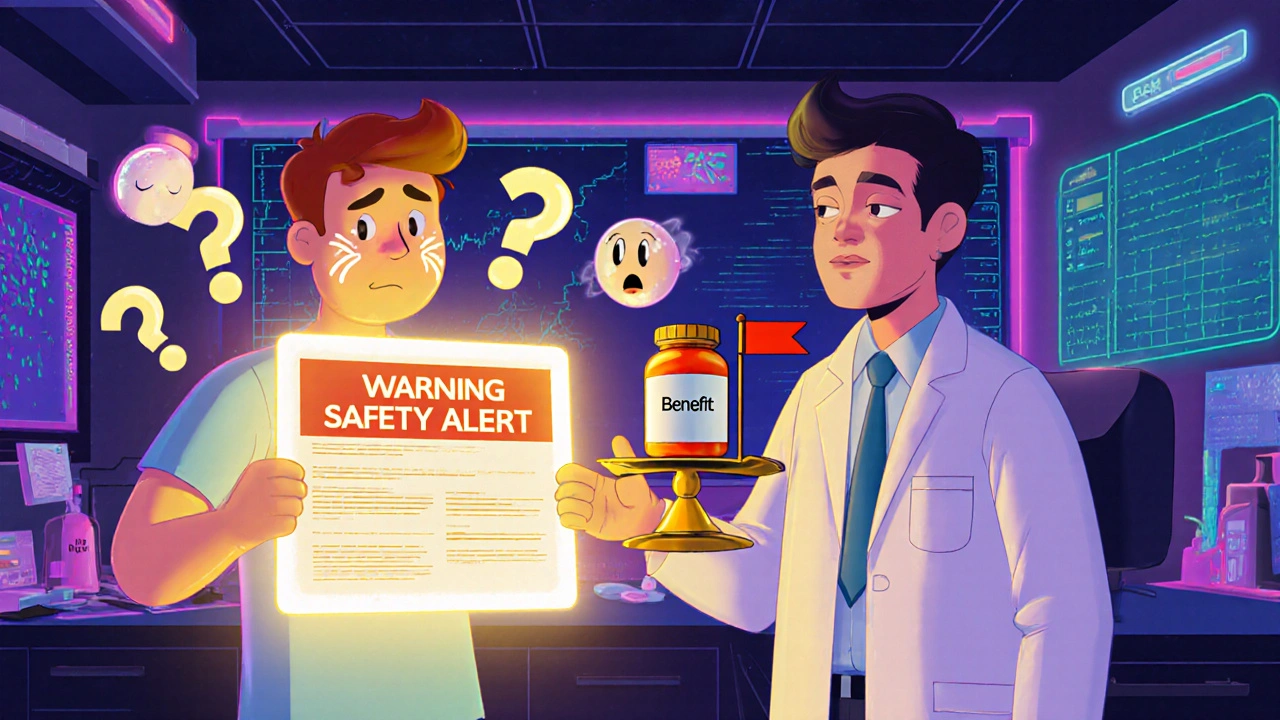
Learn how to read FDA safety announcements without panicking. Understand the difference between potential signals and confirmed risks, and how to weigh the real benefits against rare side effects.
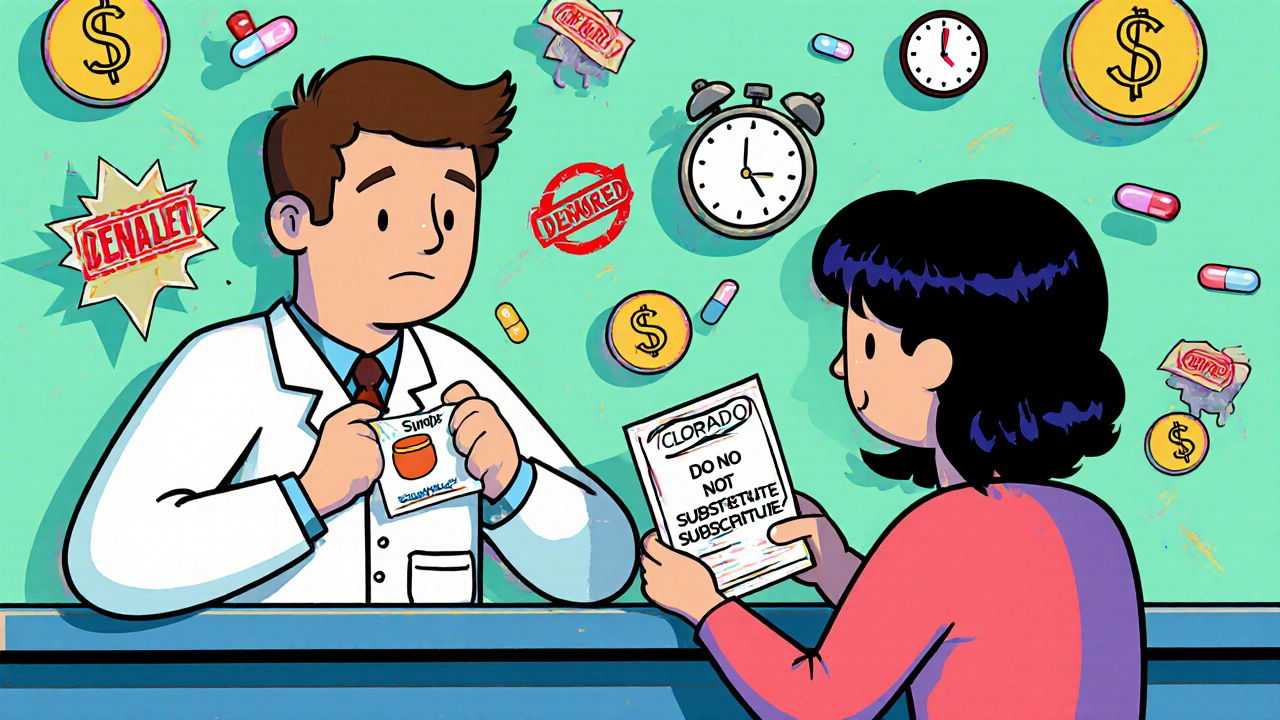
Medicaid generic drug coverage varies widely by state, with differences in formularies, copays, prior authorization, and substitution rules. Learn how your state handles generics and what you can do to ensure access.
Anticholinergics like oxybutynin and diphenhydramine can cause memory loss, brain shrinkage, and dry mouth. Learn which drugs carry the highest dementia risk and what safer alternatives exist.
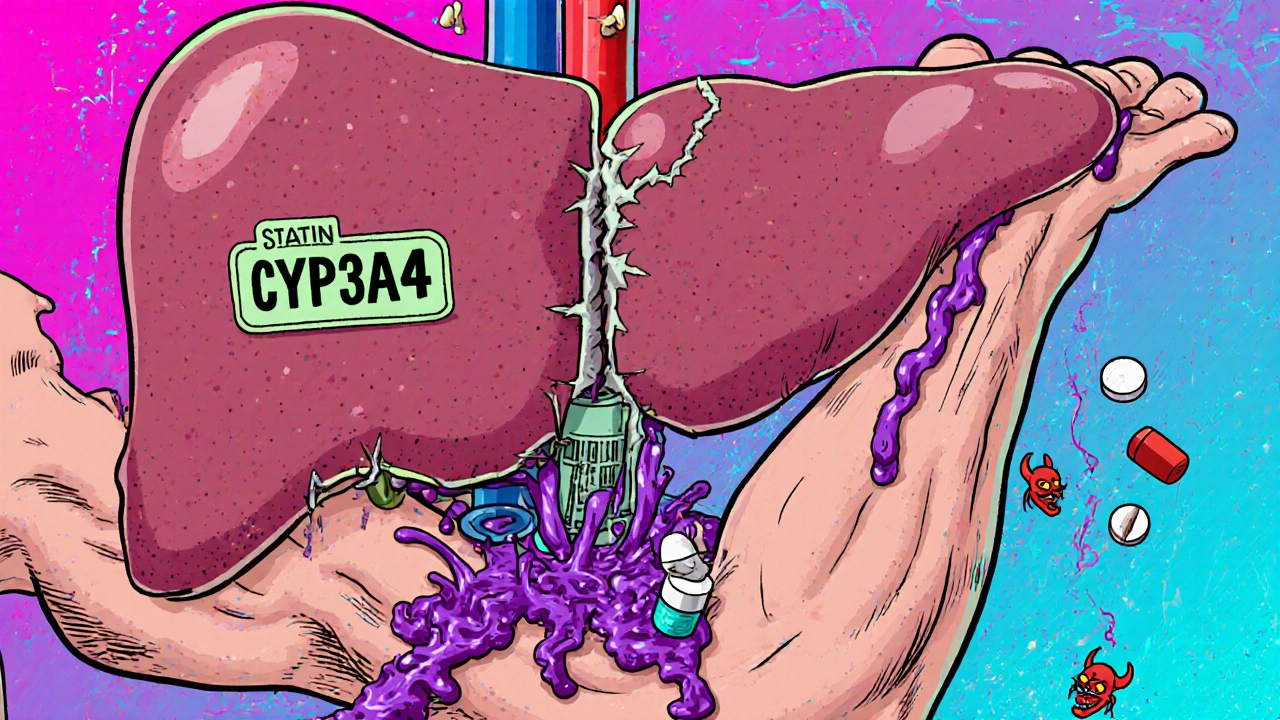
Systemic antifungals like azoles can dangerously increase statin levels, raising the risk of muscle damage and kidney failure. Learn which combinations to avoid, safer alternatives, and what to do if you're already taking them together.
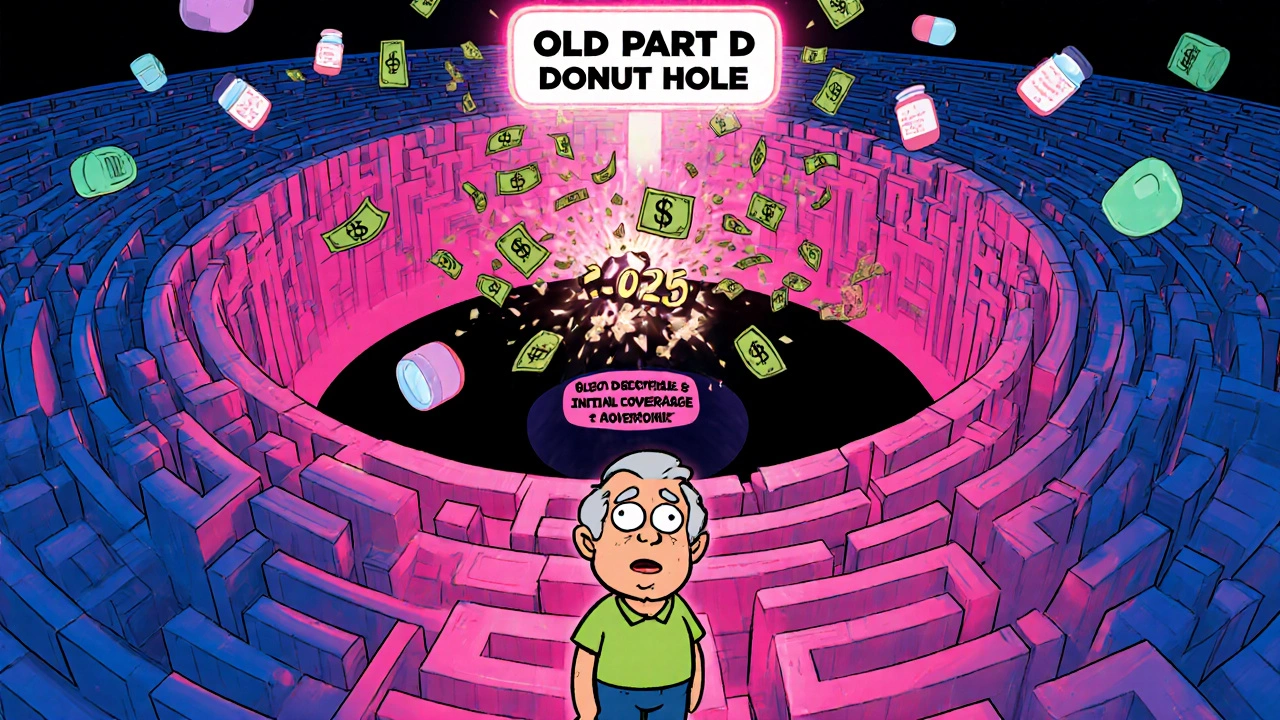
Medicare Part D in 2025 now caps out-of-pocket drug costs at $2,000, eliminates the donut hole, and simplifies coverage. Learn how premiums, tiers, and plan choices affect your real costs.
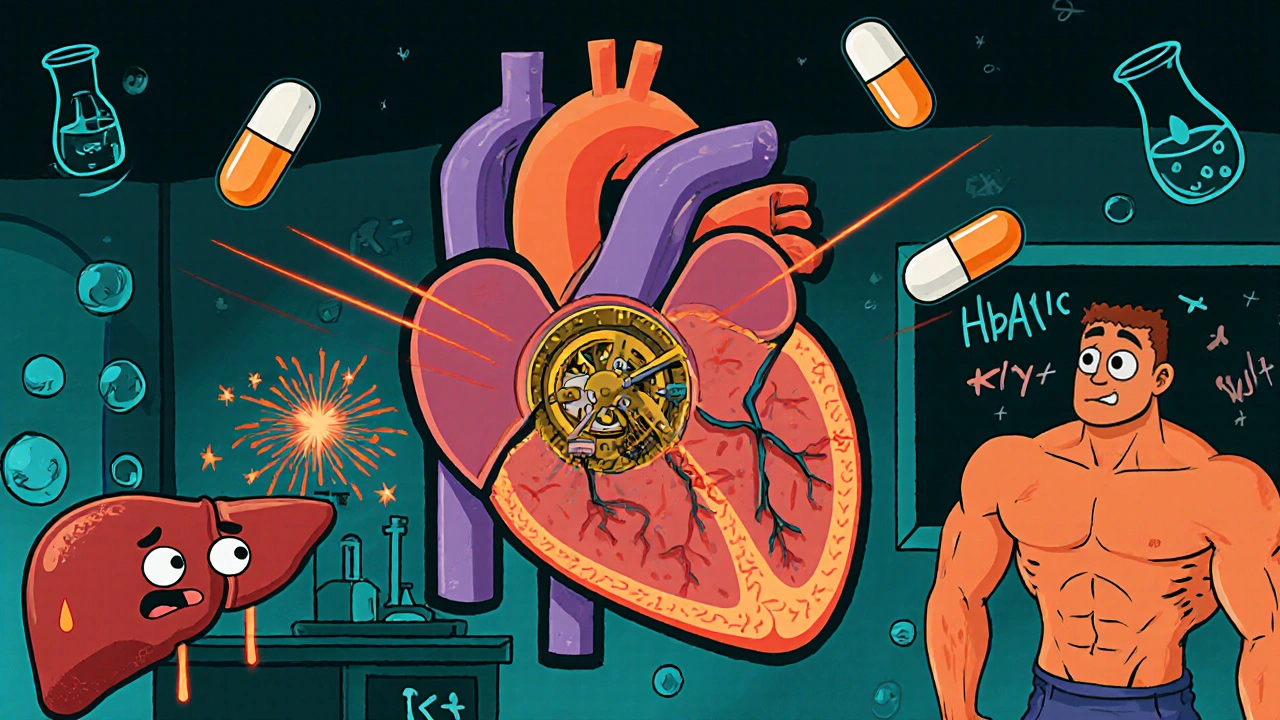
Digoxin, commonly used for heart failure and atrial fibrillation, can raise blood sugar levels by reducing insulin release and increasing liver glucose production. People with diabetes or prediabetes need close monitoring.