Brand vs Generic Medications: What You Really Need to Know
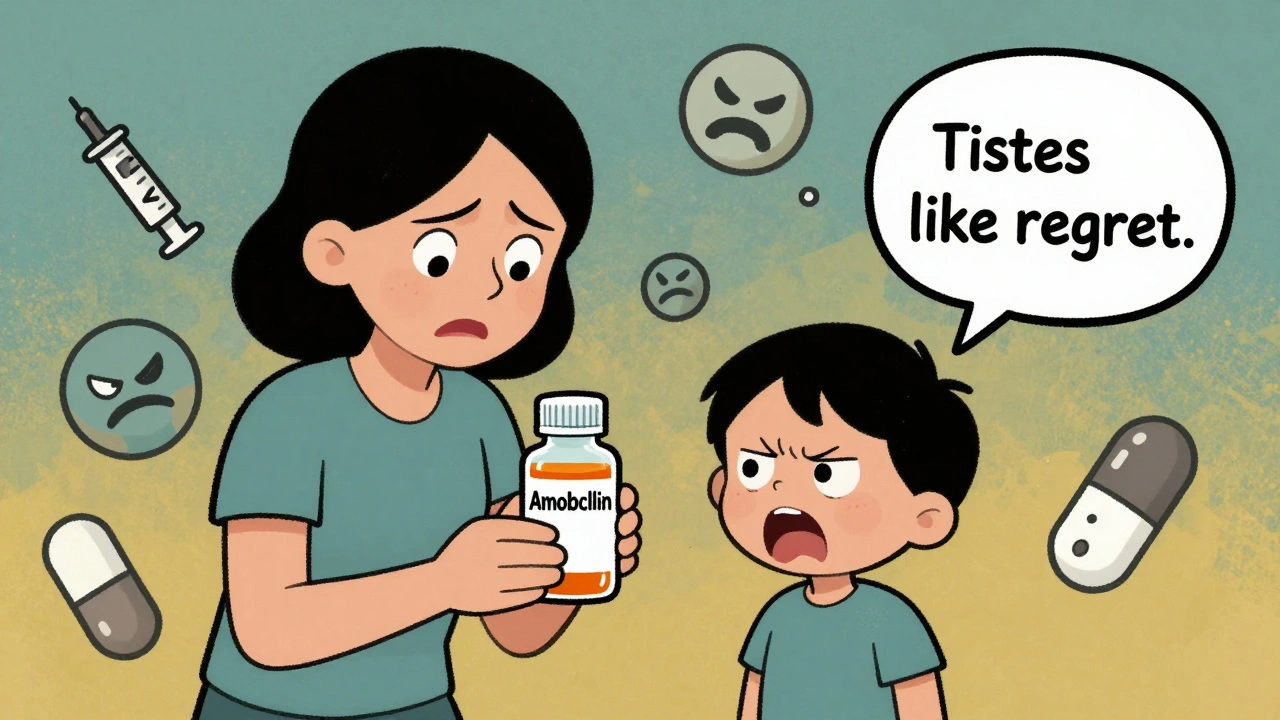
When you pick up a prescription, you might see two options: the familiar brand name drug, a medication developed and marketed by a pharmaceutical company under a patent, or a cheaper generic medication, a version that contains the same active ingredient, strength, and dosage form as the brand. The big question isn’t whether they’re the same—it’s why so many people still hesitate to switch. The truth? Most generics are just as effective, and they’re often the reason people can afford to take their meds long-term. In fact, the FDA requires generics to work the same way in the body, within the same range of absorption as the brand. This isn’t theory—it’s regulated science.
What trips people up are the differences that don’t matter: the color, shape, or filler ingredients. These don’t affect how the drug works, only how it looks or tastes. But if you’ve been on a brand drug for years, switching can feel risky. That’s normal. The real issue isn’t the drug itself—it’s trust. And that’s where stories matter. Pharmacists see it every day: a veteran on Flavoxate, an older adult switching from Fosamax to a generic alendronate, or someone managing diabetes with generic metformin instead of the brand. These aren’t compromises—they’re smart, safe choices backed by data. Even Medicare and Medicaid push generics because they cut costs without cutting care. In 2025, with out-of-pocket caps on Part D and state Medicaid rules tightening, choosing generic isn’t just about saving money—it’s about staying on your treatment plan.
Some drugs do have quirks. For example, narrow therapeutic index drugs like warfarin or levothyroxine need close monitoring when switching, because tiny changes in blood levels can matter. But even then, most patients do fine with generics if their doctor keeps an eye on it. The bigger problem? Misinformation. You’ve probably heard rumors about generics being made in overseas factories with lower standards. The truth? The same companies often make both brand and generic versions, and the FDA inspects all of them—same rules, same inspections. The only real difference? Price. A generic can cost 80% less. That’s not a trick. That’s how the system is supposed to work.
So what should you do? Ask your pharmacist. They’re the ones who see your full list of meds, know your insurance plan, and can tell you which generics are covered, which aren’t, and which might need prior authorization. They’re also the ones pushing workplace wellness programs because they’ve seen how cost drives adherence. If you’re on a tight budget, or just tired of paying more than you should, switching to generic isn’t a downgrade—it’s a step toward sustainable health. Below, you’ll find real stories, clear comparisons, and practical advice on how to make this choice confidently, safely, and without overpaying.