Deprescribing: How to Safely Reduce Unnecessary Medications
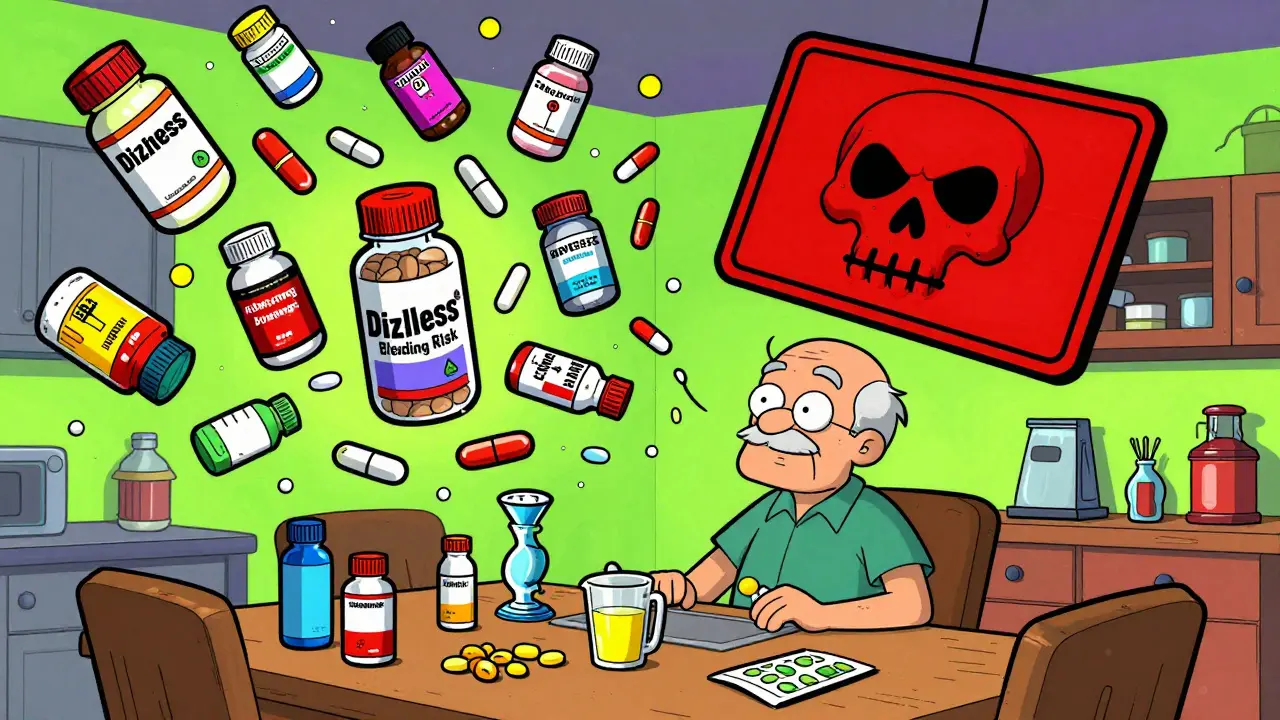
When you take too many drugs, your body doesn’t always thank you. Deprescribing, the planned and supervised process of reducing or stopping medications that are no longer needed or may be harmful. Also known as medication withdrawal, it’s not about quitting drugs cold turkey—it’s about making smarter choices so you’re not taking pills just because you’ve always taken them. Many older adults, especially those managing multiple chronic conditions, end up on 10 or more medications. That’s not just inconvenient—it’s risky. Studies show that for every extra drug added, the chance of a bad reaction goes up. And sometimes, the side effects of one pill cause another to be prescribed, creating a cycle no one meant to start.
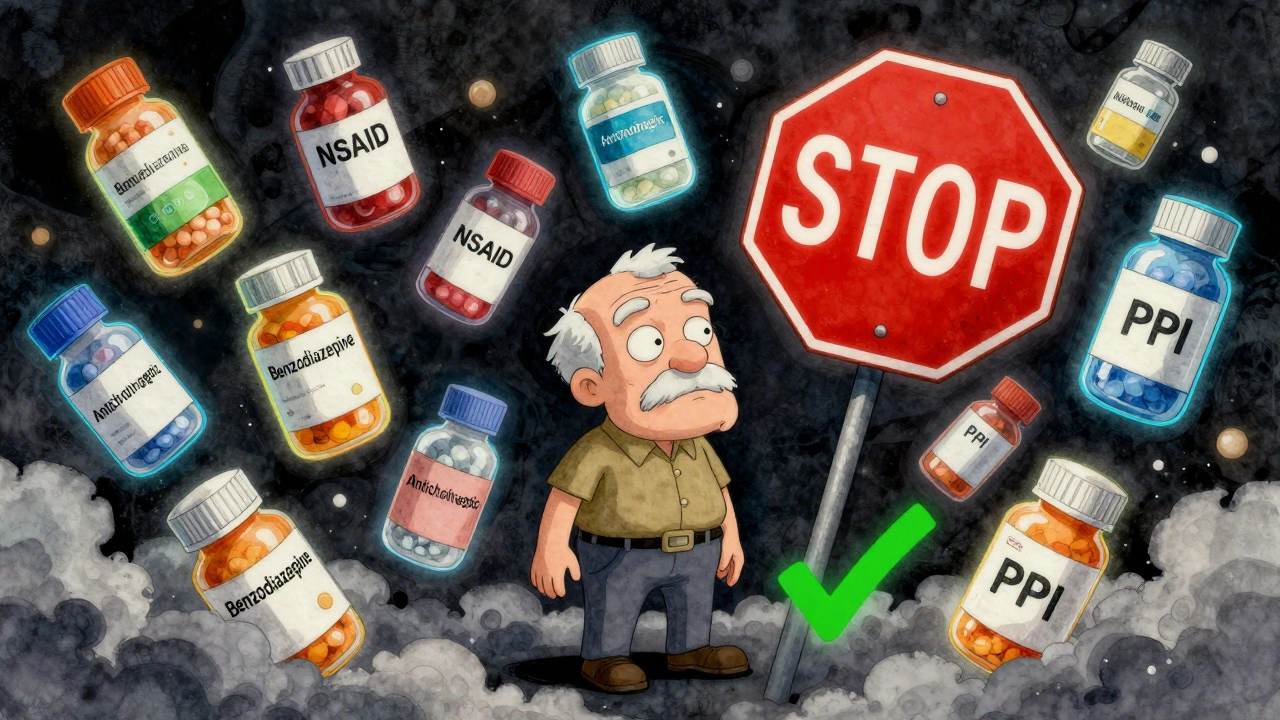
Deprescribing isn’t just for seniors. Anyone on long-term medications—like anticholinergics for overactive bladder, sedatives for sleep, or even painkillers for chronic back pain—might benefit. The key is asking: Is this still helping, or is it just sitting there, causing trouble? For example, some people keep taking gabapentin for back pain years after it stopped working, or use diphenhydramine as a sleep aid long after it’s wrecked their memory. These are the kinds of drugs that show up in the deprescribing conversation. It’s also tied closely to polypharmacy, the use of multiple medications at the same time, often without clear benefit. Also known as medication overload, it’s a growing problem in primary care. And when you’re on several drugs, interactions become a real threat. Like how systemic antifungals can spike statin levels, or how anticholinergics quietly increase dementia risk. Deprescribing isn’t about stopping everything—it’s about cutting the clutter so the good drugs can work better.
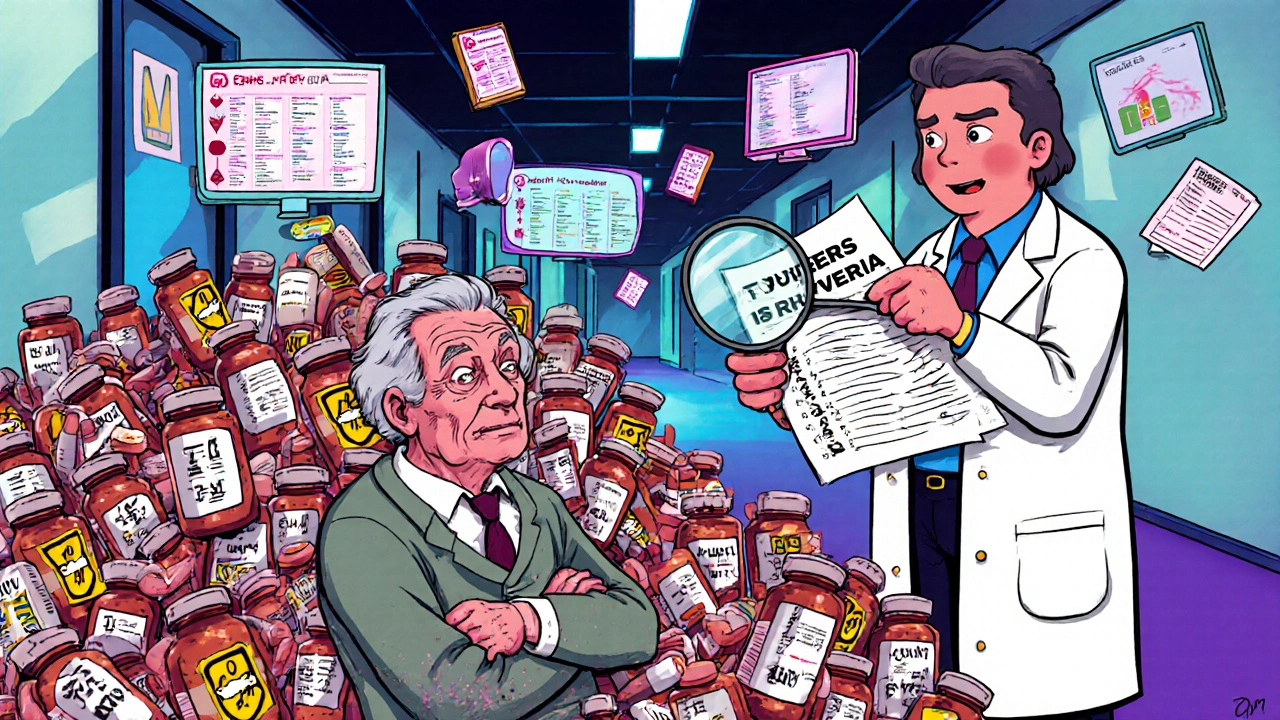
Doctors don’t just pull the plug on pills. Good deprescribing means a plan: slow tapering, monitoring for withdrawal, checking symptoms, and listening to what the patient says. It’s not a one-size-fits-all move. What works for a 70-year-old with heart issues might not suit a 50-year-old with anxiety. And it’s not always easy—some people worry their meds are the only thing holding them together. That’s where the nocebo effect comes in: if you believe generics are weaker, or stopping a drug will make you crash, your body might respond as if it’s true—even when it’s not. That’s why education and trust matter more than ever.
Below, you’ll find real stories and practical guides on how to talk to your doctor, recognize when a drug might be doing more harm than good, and make changes that actually improve your health—not just your pill count.