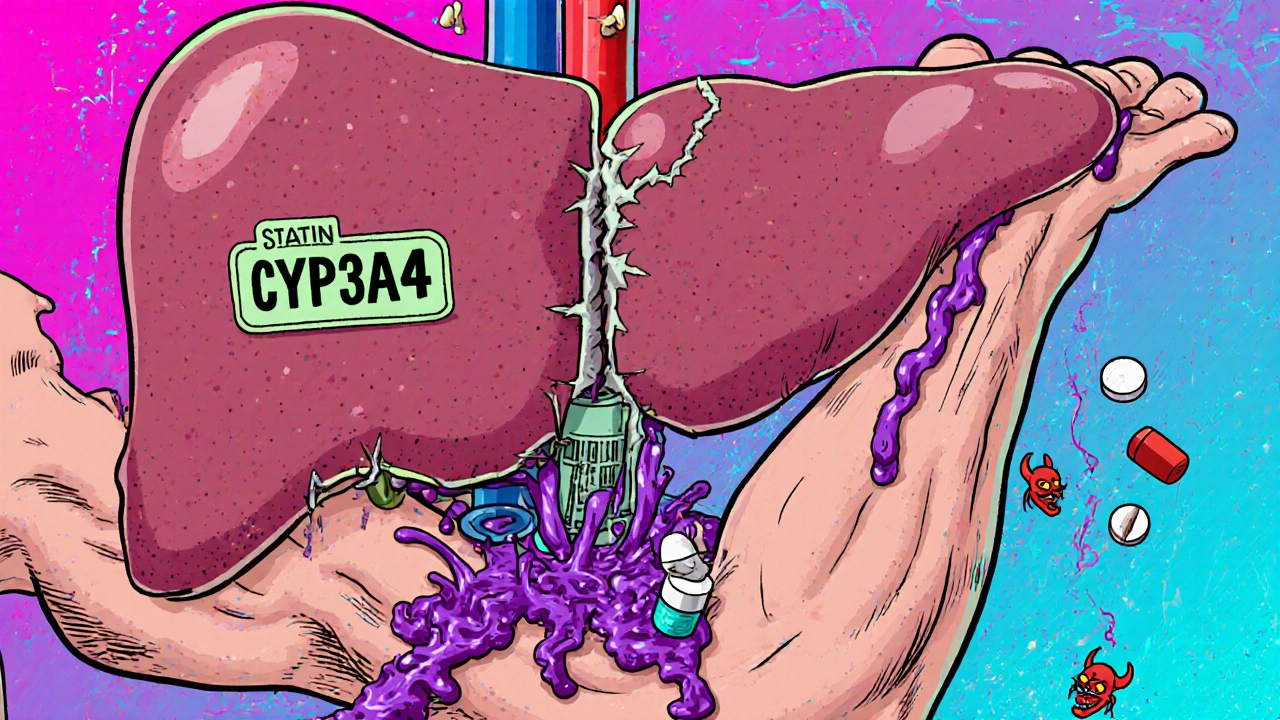
Drug Interactions: What You Need to Know About Medications That Clash
When you take more than one medication, drug interactions, harmful or unexpected effects that happen when two or more drugs react inside your body. Also known as medication interactions, they can turn a safe treatment into a serious problem—even if every drug works fine on its own. This isn’t rare. Over half of adults over 65 take five or more prescriptions, and many of them don’t realize one pill could be making another less effective—or more dangerous.
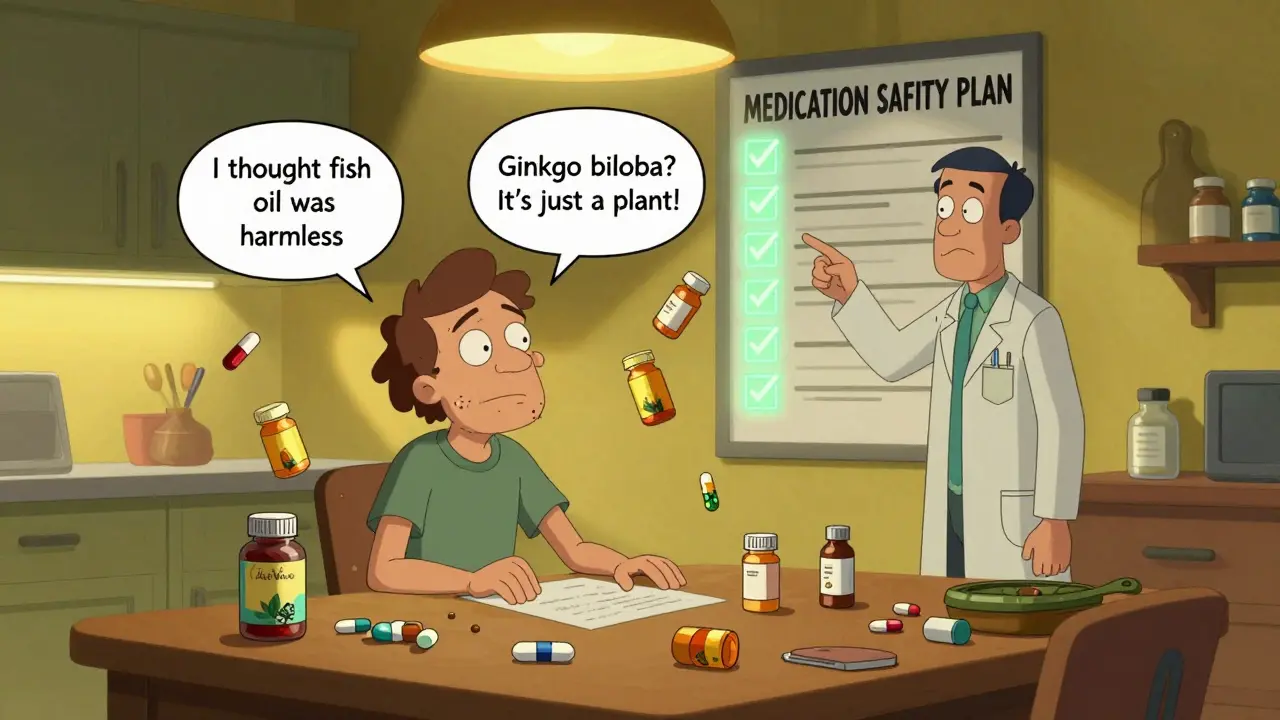
Polypharmacy, the use of multiple medications at once, often by older adults or those with chronic conditions is one of the biggest drivers of these risks. Think of it like mixing chemicals in a lab: some combinations cancel each other out, others create toxic byproducts. For example, taking an anticholinergic like diphenhydramine with certain heart meds can raise your risk of confusion or falls. Or combining blood thinners like prasugrel with anti-inflammatory foods or supplements might increase bleeding chances. Even something as simple as grapefruit juice can interfere with how your body breaks down dozens of common drugs. These aren’t theoretical risks—they show up in ER visits, hospital stays, and preventable health crises.
Adverse drug reactions, harmful side effects caused by medications, often due to interactions don’t always come with a warning label. Sometimes, the signs are subtle: a sudden headache, unusual fatigue, stomach upset, or a change in mood. Many people blame aging, stress, or bad luck—when it’s really a hidden interaction. Pharmacists are trained to spot these red flags, and tools like the Beers Criteria and STOPP/START help doctors review what you’re taking before it’s too late. The good news? Most interactions can be avoided with a quick check. You don’t need to be a doctor to protect yourself. Just know what you’re taking, why you’re taking it, and ask: "Could this mix with something else?"
Below, you’ll find real-world guides on how common meds behave when combined—with insights on generics, heart drugs, sleep aids, antidepressants, and more. These aren’t theory pages. They’re practical, no-fluff breakdowns of what actually happens when drugs collide—and what you can do about it.