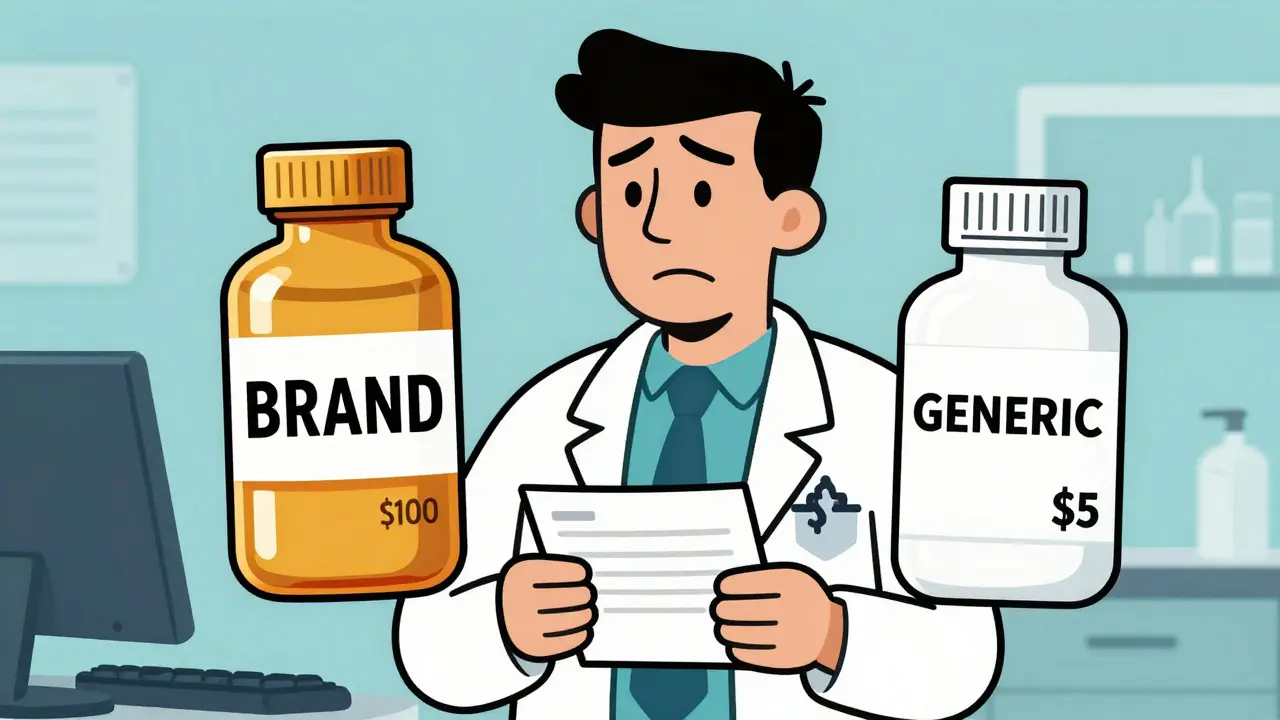
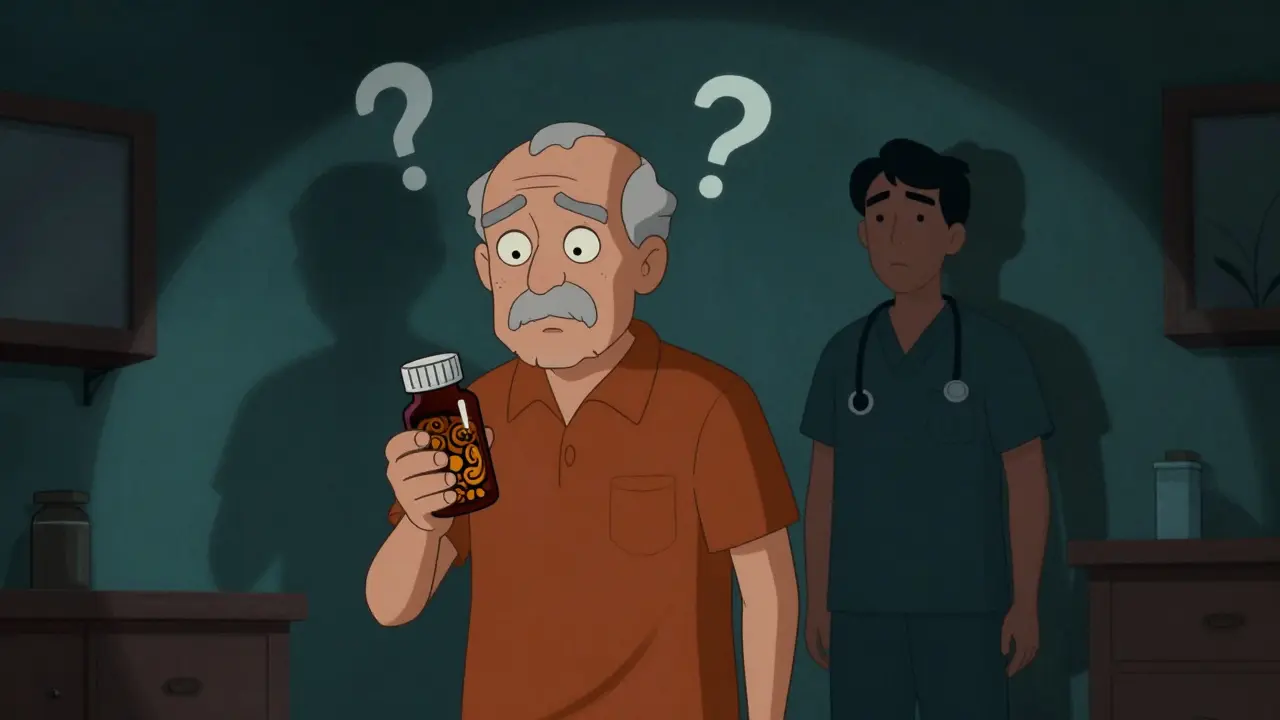
Learn how to explain generic drug substitutions to pediatric and senior patients in a way that builds trust, reduces confusion, and improves adherence - with real-world strategies backed by research.
Learn how to pick the right OTC eye drops for allergies, dryness, or redness without making symptoms worse. Get expert-backed advice on what works, what to avoid, and how to use them correctly.
Heart failure medications save lives-but only if monitored correctly. Learn what labs to check, when, and why for ARNIs, beta-blockers, MRAs, and SGLT2 inhibitors in special populations.
Generic drug quality issues stem from manufacturing flaws in overseas plants, leading to unsafe impurities, inconsistent dosing, and dangerous recalls. Learn what's going wrong-and how to protect yourself.
Pharmacy workflow and error prevention systems use automation, barcode scanning, and robotics to cut medication errors by up to 78%. Learn how these tools work, which ones fit your pharmacy, and why they’re essential for patient safety.
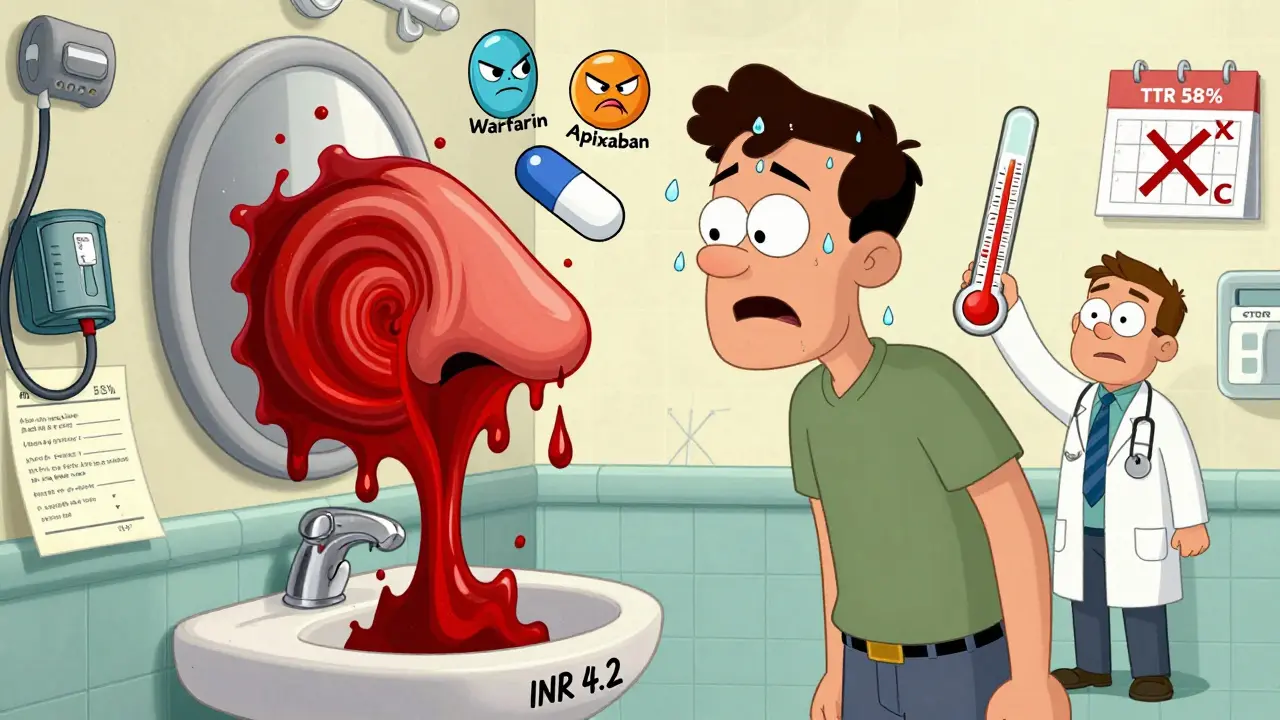
Managing therapeutic equivalence in combination products requires more than matching drug names. Differences in formulation, inactive ingredients, and absorption can lead to real clinical risks - especially with narrow therapeutic index drugs. Learn how to spot and prevent dangerous substitutions.
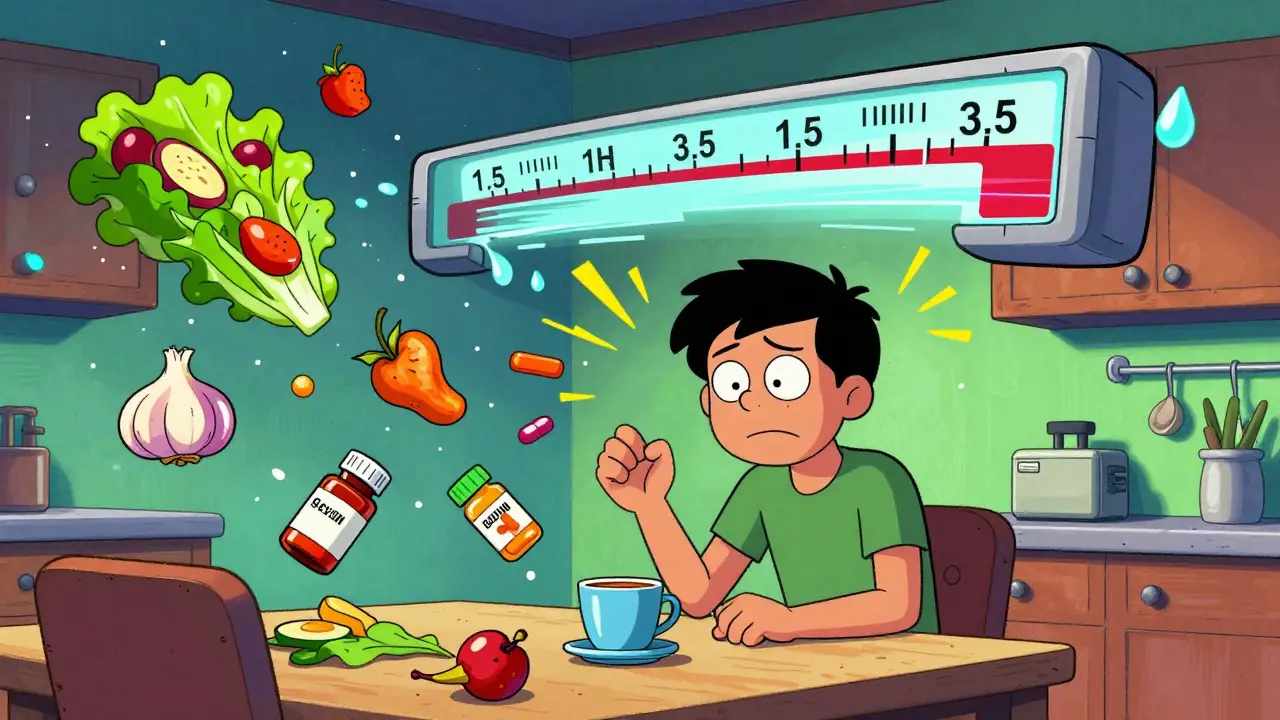
Learn when common side effects from different drug classes typically appear-from hours to months after starting medication-and how timing helps doctors distinguish true reactions from coincidences.
GLP-1 agonists like Wegovy and Zepbound offer far greater weight loss than older drugs like orlistat or Qsymia, but they're more expensive and require injections. Learn how they compare, who benefits most, and what to expect in real life.
Combining melatonin with sedatives can cause dangerous additive drowsiness, respiratory depression, and increased fall risk. Learn the real dangers, who's most at risk, and safer alternatives for better sleep.
Ulnar neuropathy causes numbness and weakness in the ring and little fingers due to nerve compression at the elbow or wrist. Learn how to recognize symptoms early, avoid triggers, and choose between conservative therapy and surgery for lasting relief.