Why do some patients feel worse after switching to generic medications? The answer lies in inactive ingredients and bioequivalence gaps-especially for drugs with narrow therapeutic indices like levothyroxine and warfarin.
Learn how to ask your pharmacist and insurance about generic and authorized generic drugs to cut your prescription costs. Discover the hidden differences that can save you hundreds a year.
Why your generic prescription might cost more than the brand-name version - it's not about quality, it's about rebates. Learn how tiered copays work and what to do when your drug price jumps.
Taking five or more medications increases your risk of dangerous drug interactions. Learn how to safely reduce unnecessary pills, spot harmful combinations, and work with your care team to stay healthy and independent.
Statins and antifungals can cause dangerous interactions leading to muscle damage. Learn which combinations are risky, what to do if you need both, and how to protect yourself from serious side effects.
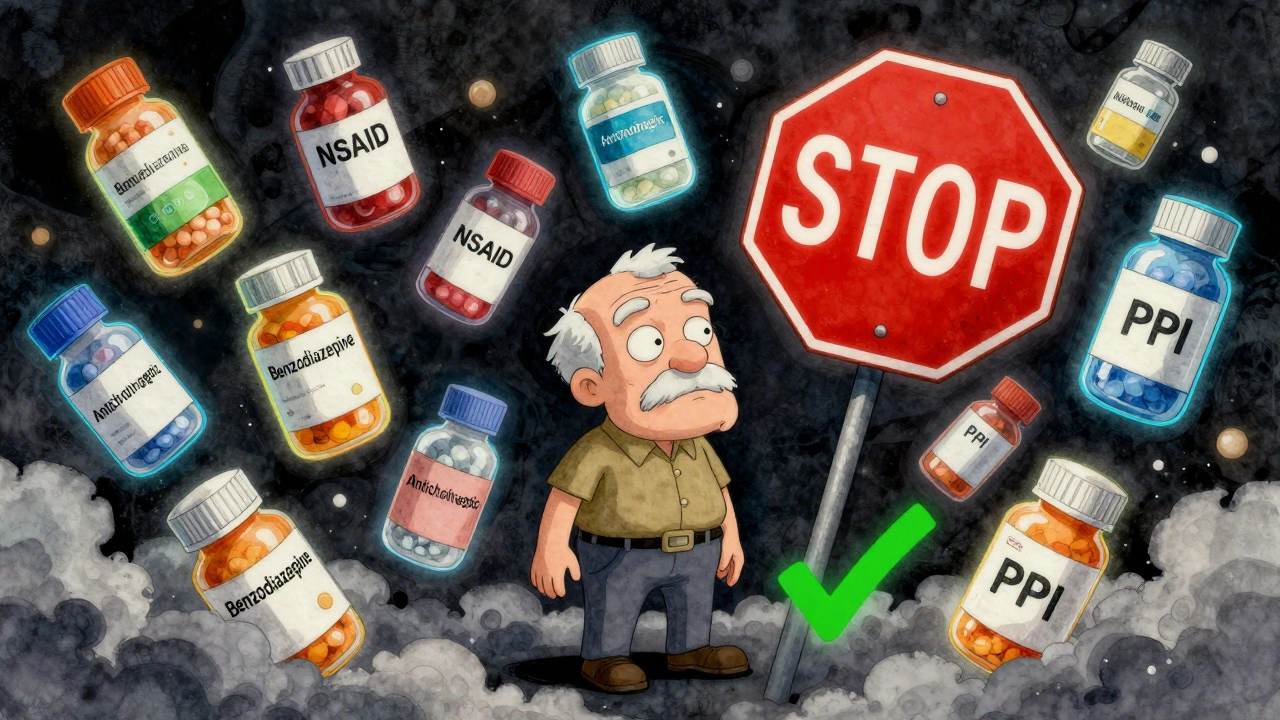
Polypharmacy in elderly patients-taking five or more medications-is common but risky. Learn how to safely reduce unnecessary drugs, avoid dangerous interactions, and improve quality of life through deprescribing and coordinated care.
When quality issues force drug production to halt, patients pay the price. Learn why these shutdowns happen, how long they last, and what’s being done to prevent them.
Learn how to explain generic drug substitutions to pediatric and senior patients in a way that builds trust, reduces confusion, and improves adherence - with real-world strategies backed by research.
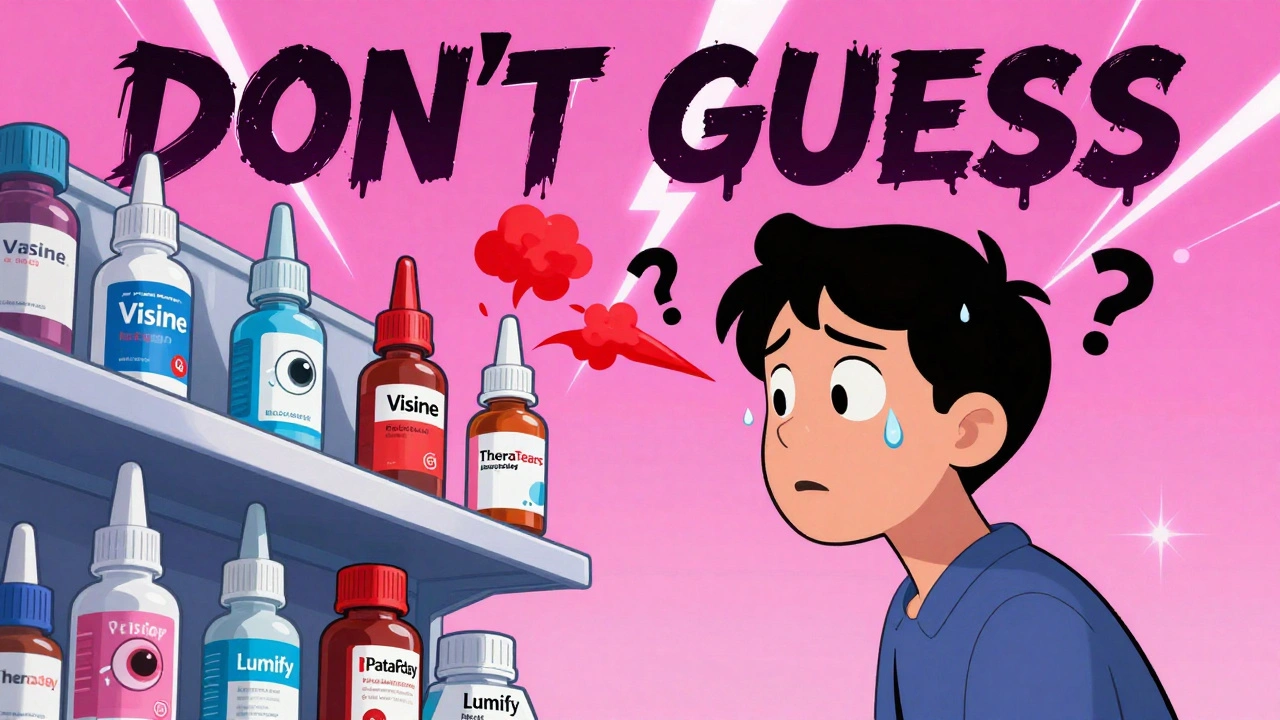
Learn how to pick the right OTC eye drops for allergies, dryness, or redness without making symptoms worse. Get expert-backed advice on what works, what to avoid, and how to use them correctly.
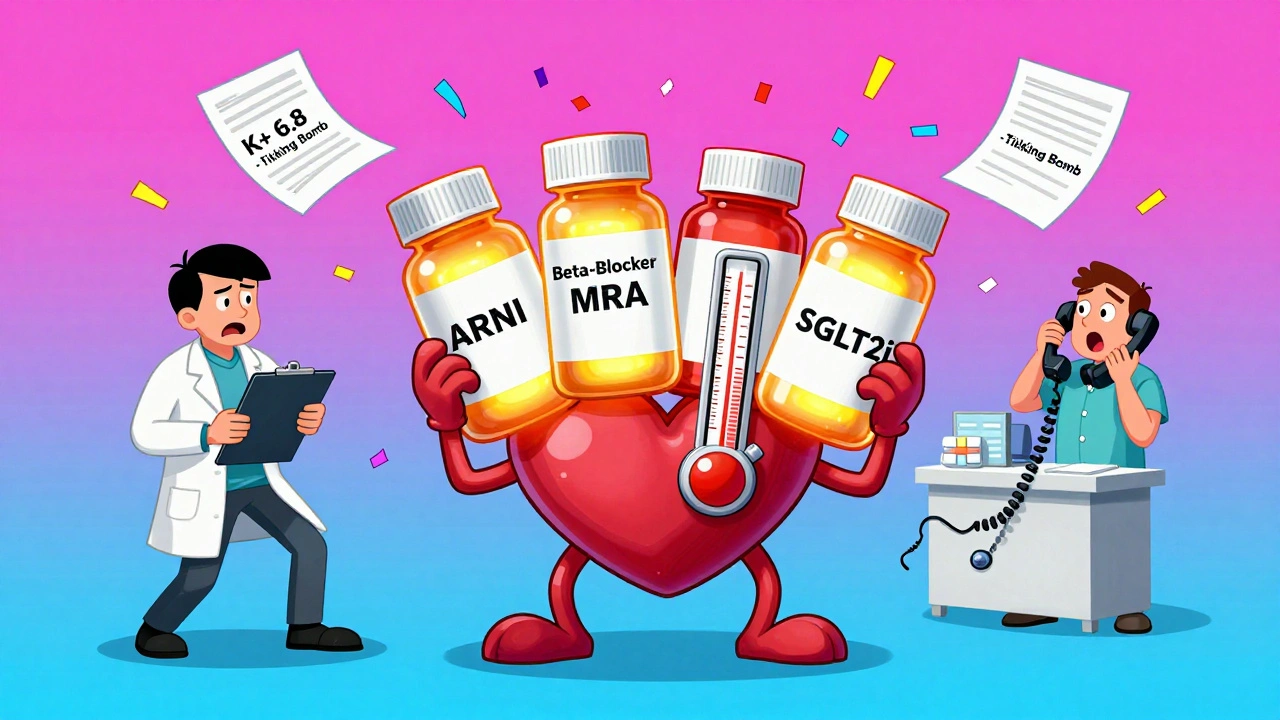
Heart failure medications save lives-but only if monitored correctly. Learn what labs to check, when, and why for ARNIs, beta-blockers, MRAs, and SGLT2 inhibitors in special populations.