Statins and antifungals can cause dangerous interactions leading to muscle damage. Learn which combinations are risky, what to do if you need both, and how to protect yourself from serious side effects.
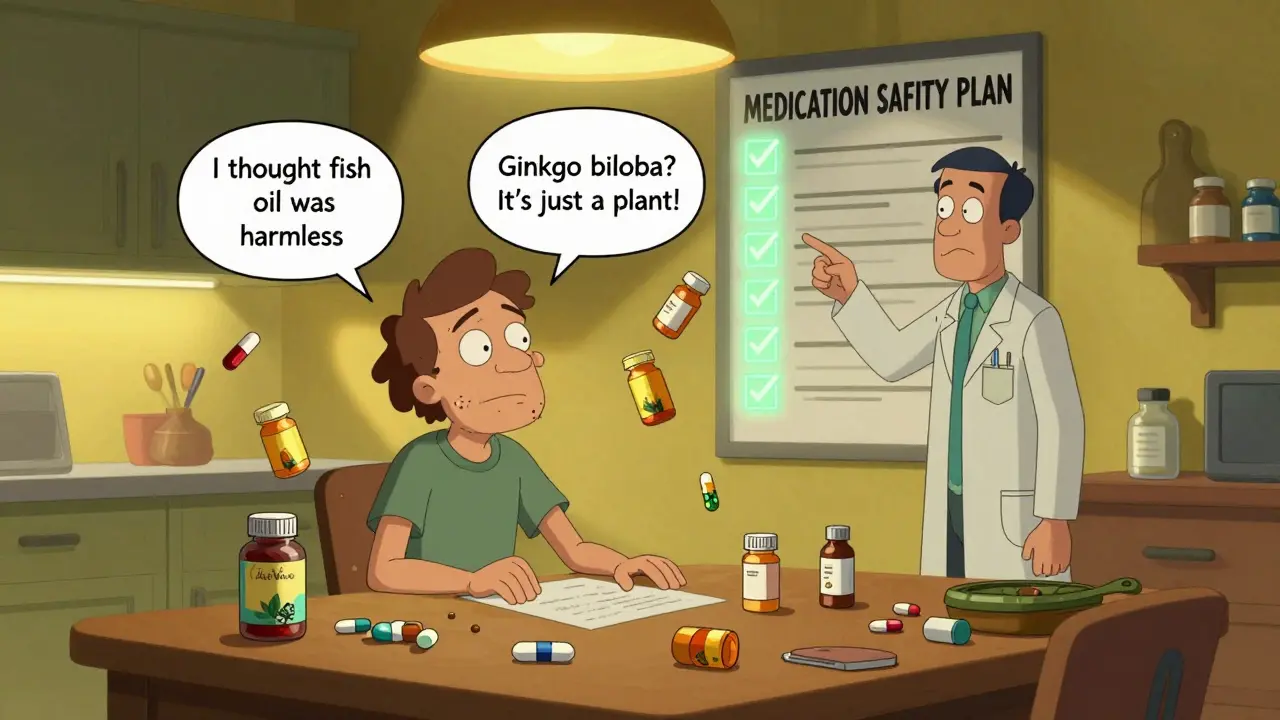
Polypharmacy in elderly patients-taking five or more medications-is common but risky. Learn how to safely reduce unnecessary drugs, avoid dangerous interactions, and improve quality of life through deprescribing and coordinated care.
Rhodiola may seem like a safe natural alternative to antidepressants, but combining it with SSRIs or SNRIs can trigger serotonin syndrome-a dangerous, sometimes fatal condition. Learn the risks, symptoms, and what to do if you're already taking both.
When quality issues force drug production to halt, patients pay the price. Learn why these shutdowns happen, how long they last, and what’s being done to prevent them.
FeNO testing measures airway inflammation in asthma by detecting nitric oxide in exhaled breath. It helps confirm diagnosis, predict steroid response, and reduce flare-ups when used with other clinical tools.
Learn how to explain generic drug substitutions to pediatric and senior patients in a way that builds trust, reduces confusion, and improves adherence - with real-world strategies backed by research.
Learn how to pick the right OTC eye drops for allergies, dryness, or redness without making symptoms worse. Get expert-backed advice on what works, what to avoid, and how to use them correctly.
Heart failure medications save lives-but only if monitored correctly. Learn what labs to check, when, and why for ARNIs, beta-blockers, MRAs, and SGLT2 inhibitors in special populations.
Generic drug quality issues stem from manufacturing flaws in overseas plants, leading to unsafe impurities, inconsistent dosing, and dangerous recalls. Learn what's going wrong-and how to protect yourself.
Pharmacy workflow and error prevention systems use automation, barcode scanning, and robotics to cut medication errors by up to 78%. Learn how these tools work, which ones fit your pharmacy, and why they’re essential for patient safety.